A federal bank charter is a license granted by a government regulator that authorizes an institution to operate as a bank, providing it with the legal standing to issue financial products and hold assets under federal oversight. The Office of the Comptroller of the Currency (OCC) recently granted preliminary conditional approval for World Liberty Trust Co. to operate as a national trust bank, according to an official letter released by the agency on August 14, 2026 (CoinDesk, 2026). This regulatory milestone marks a significant shift in how stablecoin issuers integrate with the traditional banking system.
A preliminary conditional bank charter serves as an initial sign-off from federal regulators, indicating that an entity has met the baseline requirements to move toward full licensure. This designation means World Liberty Trust Co. is permitted to conduct fiduciary and trust-related activities as a national trust bank, provided it satisfies a series of pre-opening requirements outlined by the OCC (OCC, 2026). It is not a final operating license, but rather a regulatory pathway that requires the applicant to demonstrate financial stability, operational readiness, and compliance with federal banking standards before receiving full authorization to open its doors to the public.
World Liberty Trust Co. intends to assume the role of issuer and custodian for the USD1 stablecoin, a digital asset pegged to the U.S. dollar, taking over these responsibilities from BitGo Bank & Trust (CoinDesk, 2026). By becoming the primary issuer, the bank aims to provide digital asset custody services directly to institutional clients on a nationwide scale. This shift is intended to bring stablecoin issuance under the direct supervision of a federally chartered institution, which is intended to provide greater transparency and accountability for the underlying fiat reserves supporting the token.
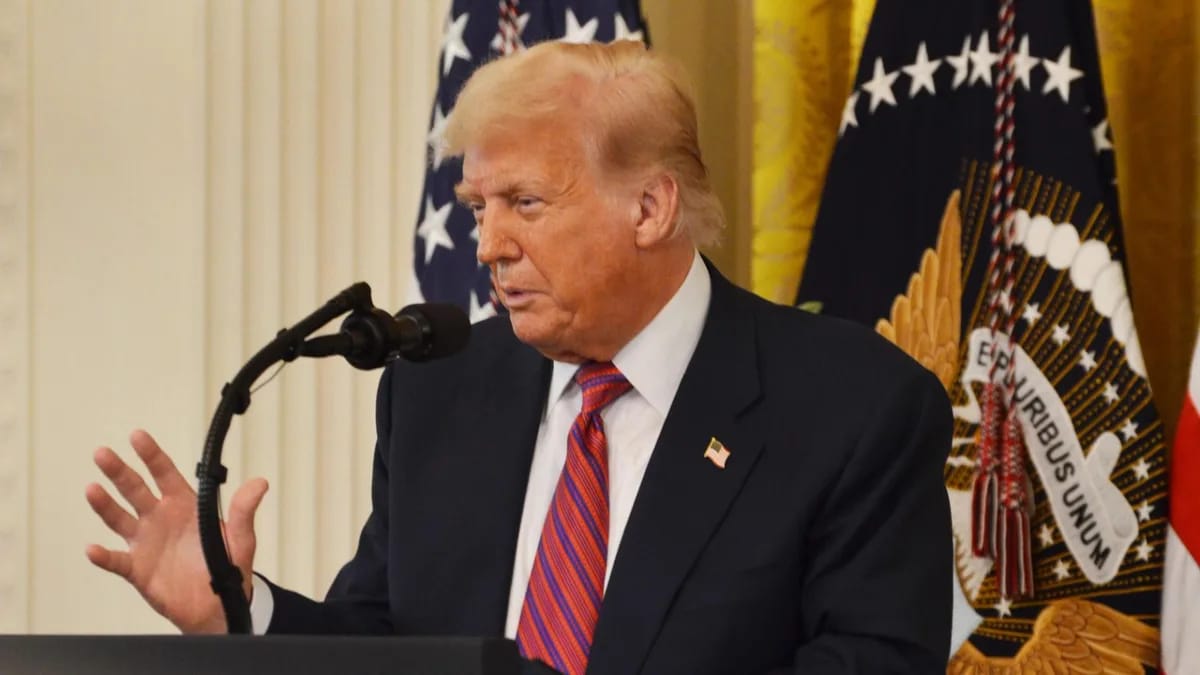
The application process for World Liberty Trust Co. drew significant attention from lawmakers due to the company’s ownership ties to President Donald Trump, who appoints the heads of major financial regulatory agencies (CoinDesk, 2026). Critics, including Senator Elizabeth Warren, argued that the approval process should be scrutinized to ensure that crypto-focused entities are not receiving preferential treatment or bypassing the rigorous safeguards required of traditional commercial banks (Warren, 2026). Despite these concerns, the OCC maintained that its review process was conducted on a neutral timeline, emphasizing that the agency evaluates all applications based on their technical merits and regulatory compliance rather than political affiliations.
Keep exploring
More from GroundworkNational trust banks are subject to specific regulatory frameworks that govern how they manage client assets and maintain fiduciary responsibility. These banks must adhere to capital adequacy standards, anti-money laundering (AML) protocols, and "know your customer" (KYC) requirements, which are designed to prevent illicit financial activity (OCC, 2026). Because World Liberty Trust Co. is positioned to manage a stablecoin, it will likely be required to undergo frequent audits to prove that its digital assets are backed one-to-one by high-quality, liquid dollar reserves. Failure to meet these ongoing operational requirements can result in the revocation of the conditional charter.
The move toward granting federal charters to crypto-native trust companies suggests that regulators are seeking to integrate digital assets into the existing financial infrastructure rather than treating them as entirely separate entities. By bringing stablecoin issuers into the national banking system, regulators can apply established oversight mechanisms to a sector that has historically operated with limited federal supervision. For investors and institutional users, this signals a potential increase in regulatory oversight for digital assets, which could improve consumer protections while simultaneously imposing stricter reporting and compliance burdens on the companies involved.
If you are an investor or participant in the digital asset space, monitor the following developments:
- Review the official OCC pre-opening requirement list: Look for updates on the OCC website regarding the specific milestones World Liberty Trust Co. must complete for final approval.
- Evaluate custodial risk: Understand that even with a federal charter, digital assets remain subject to the specific terms of service and custodial protocols established by the issuing bank.
- Monitor stablecoin transparency reports: Once the transition of the USD1 stablecoin is complete, review regular attestation reports to ensure the assets remain fully backed by fiat currency.
- Stay informed on stablecoin policy: Follow ongoing discussions in Congress regarding the broader regulation of stablecoin issuers, as these legislative actions may impact the operating environment for all chartered digital asset banks.