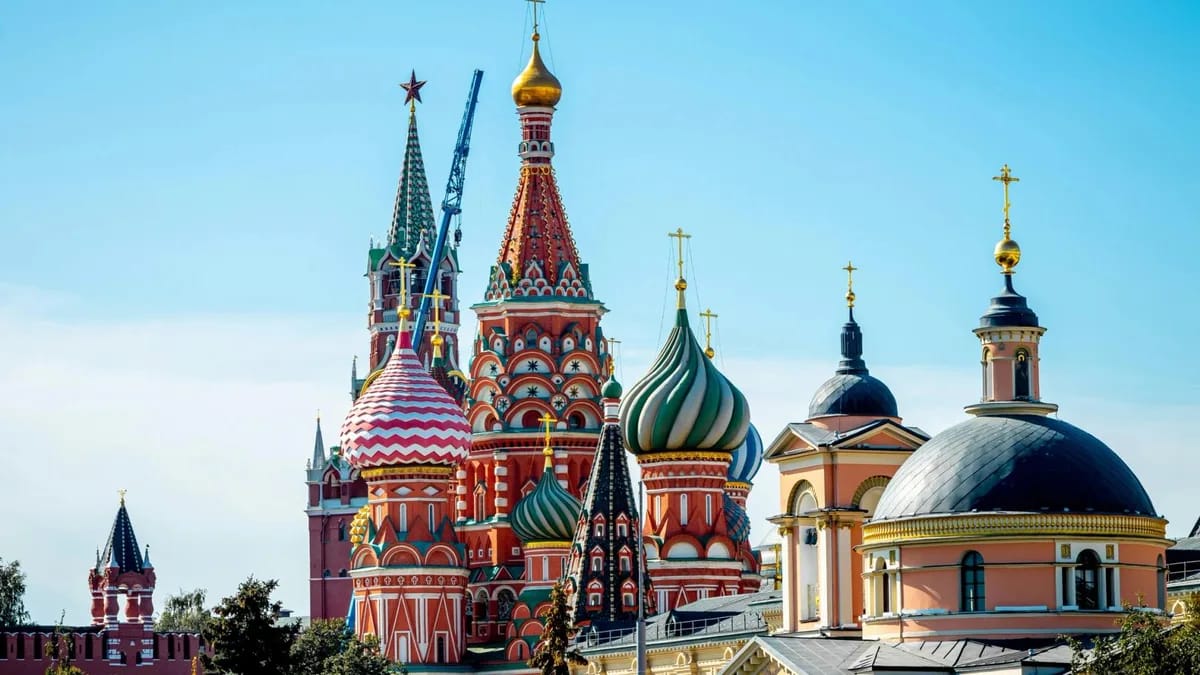
A Bitcoin mining ban is a government-imposed restriction that prohibits the operation of hardware used to process transactions and secure the Bitcoin network within specific geographic zones. In Russia, recent government decrees have prohibited mining activities in Moscow and parts of the Kursk region to stabilize the national power grid.
According to data from Luxor’s Hashrate Index, Russia currently accounts for approximately 16.4% of the global Bitcoin hashrate, making it the world’s second-largest mining hub behind the United States. This significant footprint means shifts in Russian policy have a tangible impact on the global distribution of mining power.
The primary driver behind the mining ban is the preservation of power grid stability amidst rising electricity demand. Energy-intensive mining facilities place a heavy burden on regional infrastructure, and the Ministry of Energy has identified these operations as a threat to the availability of electricity for residential and industrial consumers.
As reported by Interfax, mining operations in the Moscow power system currently consume approximately 1 gigawatt of electricity. Projections suggest that if left unchecked, data-center capacity—which includes mining rigs—could reach 3.6 GW by 2032. This would account for roughly 17% of the region’s peak electricity demand, a level that the current grid infrastructure is not equipped to support without risking systemic shortages.
The restrictions, formalized under government decree No. 936, apply to Moscow, the surrounding Moscow Region, and specific areas within the Kursk region. These bans are not temporary measures; they are set to remain in effect through December 31, 2032. The decree explicitly prohibits both the operation of mining rigs and participation in crypto mining pools within these designated territories.
This is not an isolated policy shift. These restrictions follow a broader trend of regional crackdowns, as mining has already been banned in 10 other Russian regions through March 2031. The government’s approach has shifted from the legalization of registered mining in 2024 to a targeted, geography-based restriction model designed to protect regional energy autonomy.
Keep exploring
More from GroundworkThe intersection of Bitcoin mining and international sanctions remains a central theme in Russia’s economic strategy. While the government maintains a ban on the use of cryptocurrency for domestic payments, it has created specific legal carve-outs for foreign-trade settlements. By utilizing domestically mined Bitcoin, Russian entities have attempted to bypass conventional payment channels that have been restricted by Western sanctions.
Because of this utility, the industry has faced external pressure. In 2022, the U.S. Treasury sanctioned BitRiver, a major Russian mining firm, arguing that the industry allows the country to monetize its energy resources and mitigate the economic impact of sanctions. Consequently, the domestic mining industry is caught between its role as a strategic financial tool for the state and the physical reality of a strained national power supply.
If you hold investments in Bitcoin mining infrastructure, particularly those with exposure to the Russian market, you should immediately assess your portfolio’s geographic risk. The current regulatory environment is highly volatile and prone to rapid changes that can render mining operations illegal overnight.
- Review your service contracts: Check if your mining host or cloud provider operates in the newly restricted Russian regions.
- Evaluate energy costs: Even in regions where mining remains legal, consider whether rising electricity costs or future regional bans could jeopardize the profitability of your hardware.
- Diversify your hashrate: If you operate mining equipment, ensure your operations are distributed across multiple jurisdictions to mitigate the risk of local policy changes.
- Monitor regulatory updates: Because these bans are enacted via government decree, stay informed through official government publications or reliable financial news outlets rather than relying on industry speculation.
The transition of Russia’s mining sector from a state-supported industry to one facing widespread regional bans highlights the importance of energy infrastructure in the profitability of digital asset production. For investors, the takeaway is clear: mining is a utility-dependent business, and energy politics will always supersede the profitability of the mining process itself.