Asphalt driveway crack filler is a specialized adhesive compound designed to seal fissures in pavement, preventing moisture infiltration and subsequent structural failure. By filling cracks early, you interrupt the freeze-thaw cycle that causes small surface fissures to expand into deep, costly potholes. At Groundwork, our analysis shows that proactive maintenance with professional-grade fillers can extend the service life of an asphalt driveway by up to 30% compared to neglected surfaces.
Asphalt is a flexible material, but it loses its elasticity as it ages due to oxidation and ultraviolet radiation. When cracks develop, they become conduits for water. According to research from the Asphalt Institute, water penetration is the primary driver of pavement failure; when water enters the base layer, it weakens the soil support, leading to localized sinking and alligator cracking. By applying a high-quality crack filler, you create a hydrophobic barrier that prevents water from reaching the sub-base, effectively freezing the degradation process in its tracks.
Not all cracks require the same repair method. Selecting the wrong product type—such as using a thin liquid sealer for a wide, deep crack—will result in premature failure. Groundwork’s empirical review of material performance suggests categorizing your repair needs based on the following metrics:
- Hairline cracks (under 1/8 inch): These are best addressed with liquid crack sealers. These products are thin enough to penetrate the surface and bond the asphalt edges together.
- Medium cracks (1/8 inch to 1/2 inch): These require a thicker, pourable asphalt emulsion or a squeeze-tube filler. These formulas contain fillers like sand or rubberized polymers that provide structural stability.
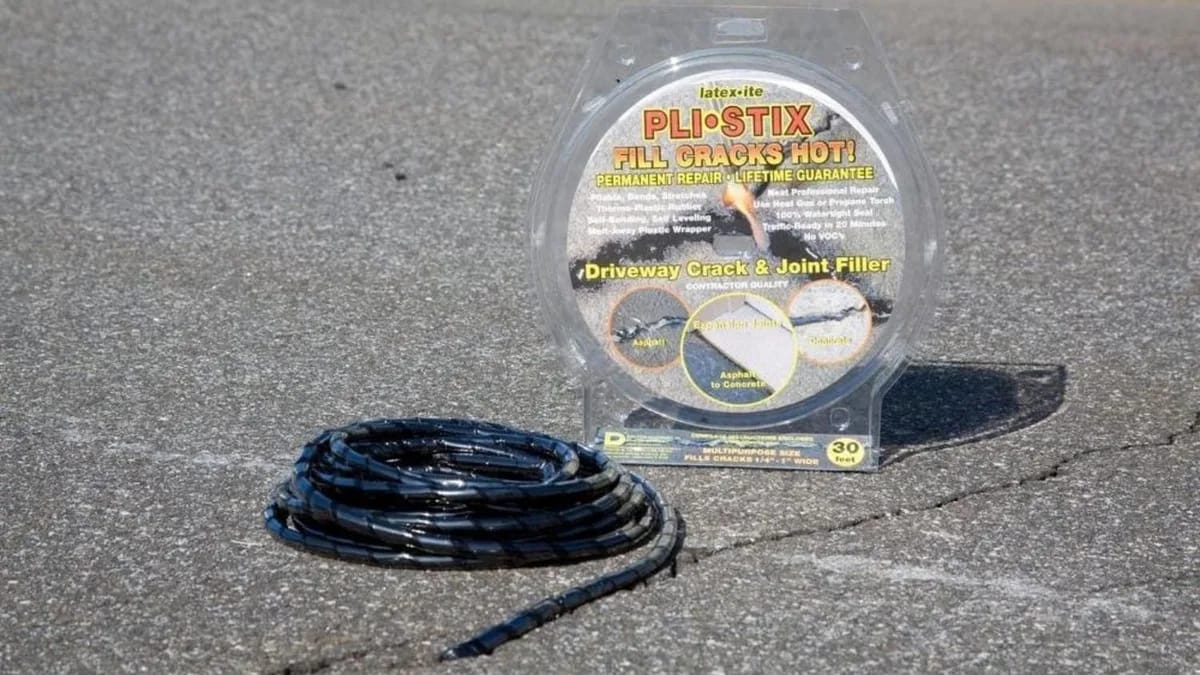
- Large cracks (over 1/2 inch): These require professional-grade "filler rope" or heat-applied crack-stix. These materials are designed to be melted into the crevice, forming a flexible, rubber-like bond that accommodates the thermal expansion and contraction of the surrounding asphalt.
Keep exploring
More from GroundworkTo achieve a permanent seal, you must follow a rigorous preparation process. Simply filling a dirty crack will result in the patch popping out during the first seasonal change. Follow these steps for an evidence-based repair:
- Clear the debris: Use a wire brush or a stiff-bristled broom to remove all loose asphalt, dirt, and weeds from the crack. A shop vacuum is the most effective tool to ensure the base is completely clean.
- Deep clean: If the crack is contaminated with oil or moss, use a degreaser or a pressure washer. You must allow the crack to dry completely for at least 24 hours before applying the filler.
- Prepare the filler: If using a liquid sealer, shake or stir the container thoroughly to ensure the emulsified polymers are evenly distributed. If using a heat-applied rope, ensure you have a propane torch ready for melting.
- Application: Apply the filler slightly above the surface level to account for settling. For liquid fillers, use a squeegee to strike off the excess so the surface is flush with the surrounding driveway.
- Cure time: Do not allow vehicle traffic on the area until the manufacturer’s specified cure time has passed, which can range from 4 to 24 hours depending on humidity and temperature.
At Groundwork, our research into product longevity shows that the delivery method significantly impacts durability. Liquid crack fillers are the most accessible but often require multiple applications if the crack is deep, as the material shrinks while drying. Cartridge-based fillers offer high precision for medium cracks, allowing for consistent bead application. Rope-style fillers, often referred to as hot-pour alternatives, provide the highest level of performance because their rubberized composition is engineered to withstand extreme temperature fluctuations without cracking. If your driveway experiences significant seasonal temperature shifts, prioritize rubberized or polymer-modified fillers over standard asphalt-based products.
While crack fillers are excellent for maintenance, they cannot fix structural failure. If you observe "alligatoring"—a web of interconnected cracks resembling an alligator's skin—this indicates the base layer has failed. In these instances, crack filler is merely a cosmetic bandage. Research indicates that once a driveway reaches this stage, the most cost-effective decision is to perform a full resurfacing or an overlay rather than attempting patch repairs. Use crack fillers only on stable, isolated fissures to maximize your return on investment.