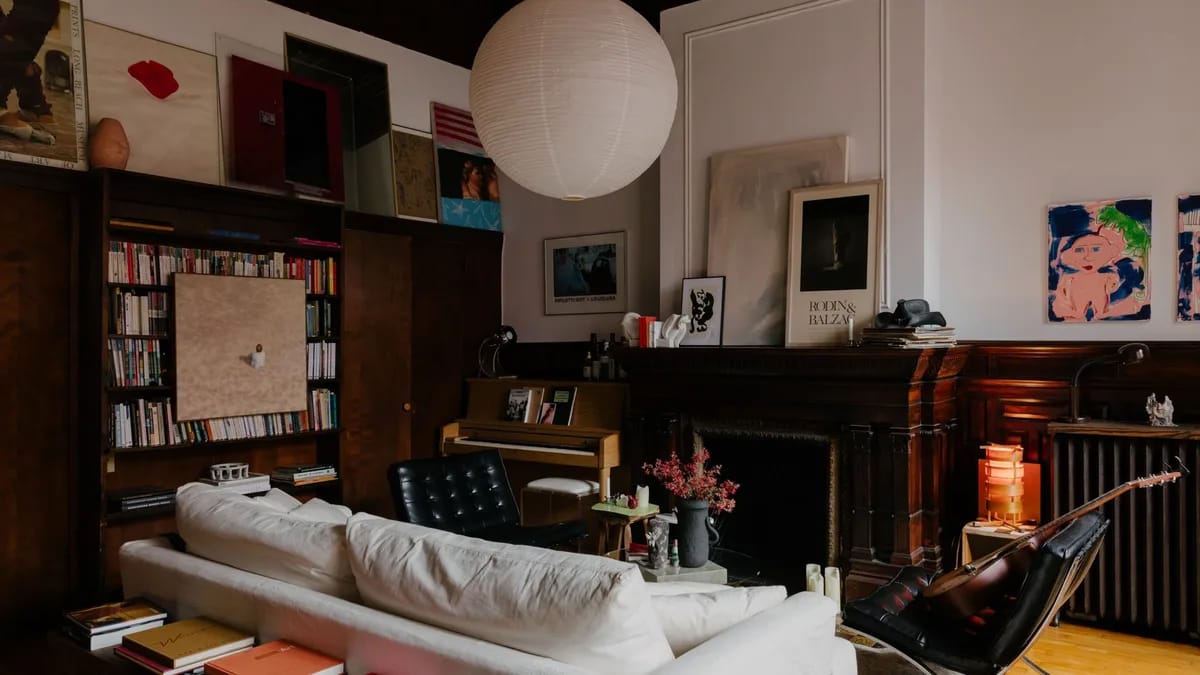
Affordable art is defined as high-quality, authentic, or professionally produced artwork—such as limited-edition prints, photographs, or original works by emerging artists—that typically costs under $500. Buying art online allows you to access a global market of creators, bypassing the traditional gallery markup that often inflates prices for the average consumer.
According to a report by Art Basel and UBS, the online art market has seen consistent growth as collectors move away from exclusive brick-and-mortar showrooms in favor of direct-to-consumer digital platforms. While the sheer volume of options can feel overwhelming, understanding where to look and how to evaluate quality will help you curate a collection that reflects your personal aesthetic while staying within your budget.
Finding reputable platforms involves looking for sites that verify artist identity, offer transparent pricing, and provide clear information on the medium and production quality. You should prioritize marketplaces that act as intermediaries, ensuring that the artist receives fair compensation while providing you with buyer protections, such as secure shipping and return policies.
Reputable platforms generally fall into three categories:
- Independent artist marketplaces: Sites like Artfinder act as digital galleries where you buy directly from the artist. These platforms are best for finding one-of-a-kind original paintings, sketches, and sculptures at various price points.
- Curated print shops: Websites like GreatBigCanvas or Society6 focus on high-quality reproductions and giclée prints. These are ideal if you want a specific visual style or color palette without the cost of an original work.
- Gallery-backed online marketplaces: Platforms like 1stDibs allow you to browse inventory from established brick-and-mortar galleries. While some items are expensive, many galleries list smaller prints or works by emerging artists at accessible prices, often with the added benefit of historical provenance.
Before you commit to a purchase, you must verify the medium, the edition size, and the materials used to create the piece. An original work is a one-of-a-kind creation, whereas a giclée print is a high-resolution inkjet reproduction. Both have value, but they serve different purposes in a home collection.
When evaluating a potential piece, follow these steps:
- Check the medium: Ensure the listing specifies the materials. Is it an original oil on canvas, a limited-edition screenprint, or an open-edition digital print? Originality and rarity generally command higher prices.
- Verify edition details: If you are buying a print, look for "limited edition" labeling. A limited edition means the artist has capped the number of prints produced, which helps maintain the value of the work over time.
- Assess the dimensions: Never rely on photos alone to gauge size. Use a tape measure to mark the dimensions on your wall to ensure the piece fits the scale of your furniture and the overall room.
- Review the artist’s background: A quick search of the artist’s name can reveal their exhibition history or other collections they are featured in, which helps confirm their professional standing.
Keep exploring
More from GroundworkChoosing between original art and prints depends on your goals for the space: original art provides a unique, tactile experience and potential investment value, while prints offer a cost-effective way to achieve a specific "look" or thematic consistency across a gallery wall.
Original artwork often carries the artist's brushstrokes and physical texture, which can add depth to a room that mass-produced prints may lack. However, high-quality giclée prints—especially those printed on archival-grade paper—can mimic the appearance of originals so closely that they are indistinguishable to the untrained eye. If your goal is to fill a large wall space on a budget, a series of cohesive prints is often the most practical and aesthetically pleasing approach.
Framing is often the most overlooked cost in the art-buying process, frequently doubling the total investment of a piece. When buying affordable art, assume that you will need to spend an additional $50 to $200 on professional or high-quality DIY framing to ensure the artwork is protected from light and humidity.
To manage these costs effectively:
- Buy pre-framed: Many online retailers offer framing services at the point of purchase. This is often cheaper than taking an unframed print to a local custom framer.
- Use standard sizes: If you buy an unframed print, try to choose one that fits standard frame sizes (e.g., 8x10, 11x14, 18x24). This allows you to purchase quality off-the-shelf frames rather than paying for custom-cut mats and glass.
- Prioritize UV protection: Regardless of the frame's style, ensure the glass or acrylic has UV protection. Sunlight is the primary cause of fading for prints and works on paper, and UV-filtering materials will significantly extend the life of your purchase.