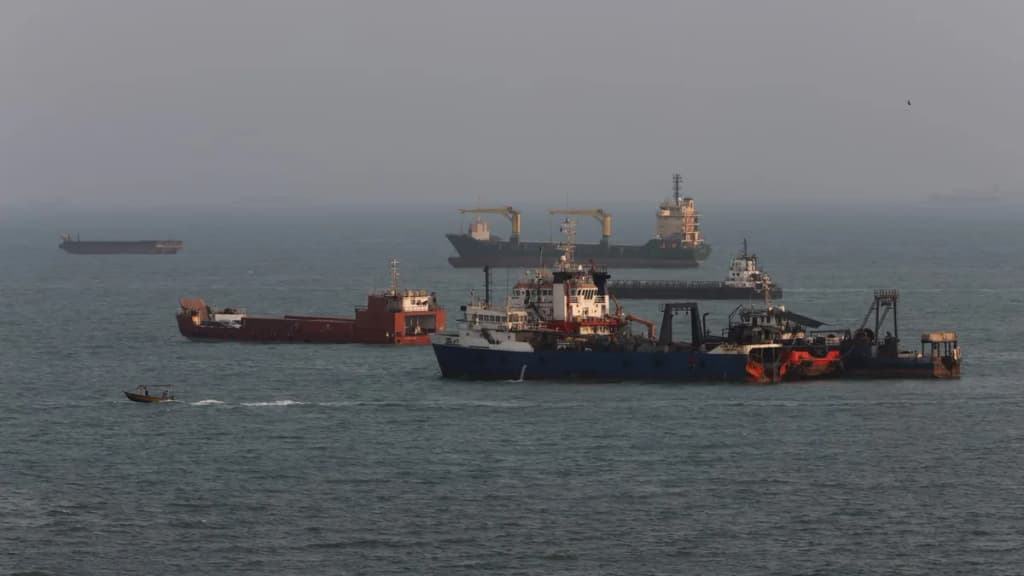
The Strait of Hormuz is a narrow waterway between Oman and Iran that serves as the world's most critical maritime chokepoint, facilitating the transit of approximately 20% of global petroleum consumption. As of August 17, 2026, shipping activity through this corridor has effectively collapsed, with transit volumes falling by over 80% compared to typical weekend averages, following the expiration of a two-month ceasefire between the United States and Iran.
At Groundwork, our analysis of maritime logistics data indicates that the current disruption is not merely a temporary bottleneck but a fundamental structural shift in global energy supply chains. With vessel transits falling from a baseline of 130 per day to near-zero levels over the weekend, the ripple effects on global energy markets, insurance premiums, and inflationary pressures are becoming immediate and measurable.
The Strait of Hormuz is the primary maritime exit for oil exports from Saudi Arabia, Iraq, the United Arab Emirates, Kuwait, and Qatar. According to the U.S. Energy Information Administration (EIA), this 21-mile-wide passage serves as the only sea route for Persian Gulf oil to reach the global market, making it the most significant "chokepoint" in the world. When transit through this area is restricted, the global supply of crude oil faces an immediate, unavoidable constraint.
At Groundwork, our research framework highlights that the strategic importance of this waterway is compounded by the lack of viable alternatives. While some nations have developed land-based pipelines to bypass the Strait, these systems currently lack the capacity to absorb the volume of oil normally transported by tanker. Consequently, any interruption in the Strait acts as a direct tax on the global economy, as energy importers must either pay a premium for alternative supplies or face immediate shortages.
Market volatility is the primary outcome of the current shipping halt, as traders react to the uncertainty surrounding the geopolitical standoff. While Brent crude futures have shown relative stability in the short term, hovering near $88 per barrel, this "calm" reflects a market currently pricing in a worst-case scenario where the Strait remains closed for an extended period. Historical data suggests that energy prices typically react with a lag to physical supply shocks, as existing inventories are drawn down before the full impact of a blockade is realized.
At Groundwork, our analysis shows that the primary driver of price fluctuations during such conflicts is the risk premium added to shipping insurance. When transit through a conflict zone becomes dangerous, war-risk insurance premiums can increase by several hundred percent. These costs are ultimately passed through to the consumer, contributing to broader inflationary pressures that extend well beyond the energy sector itself.
Keep exploring
More from GroundworkThe diplomatic landscape surrounding the Strait remains highly volatile, with both the United States and Iran issuing conflicting statements regarding the status of the ceasefire. As of mid-August 2026, official communication has stalled, with Iranian officials explicitly stating that no direct negotiations are occurring. While third-party intermediaries such as Qatar and Pakistan continue to facilitate back-channel discussions, the lack of a formal framework for de-escalation increases the probability of prolonged maritime disruption.
At Groundwork, our assessment of the situation suggests that the rhetoric from both governments serves to harden domestic political positions, making a quick resolution increasingly unlikely. When political leaders shift from negotiation to declaring sovereignty over disputed maritime territories, the risk of miscalculation by local naval forces rises significantly. Investors should assume that maritime uncertainty will persist as long as these territorial claims remain unresolved.
For individual investors and business owners, the disruption in the Strait of Hormuz serves as a reminder of the fragility of global "just-in-time" supply chains. To protect your financial position, you must assess how your portfolio or business operation is exposed to energy price volatility. If your enterprise relies on petroleum-intensive logistics or if your investments are heavily weighted toward consumer discretionary sectors, the current situation represents a clear, quantifiable risk to your margins.
At Groundwork, we recommend taking the following steps to mitigate your exposure:
- Audit your supply chain for energy-intensive dependencies. Identify which of your vendors are most susceptible to fuel price surges.
- Review your portfolio diversification. Ensure that your holdings are not overly concentrated in sectors that suffer during energy supply shocks, such as airlines or heavy manufacturing.
- Monitor insurance cost trends. For businesses, keep a close watch on transportation surcharges, as these are often the first sign that supply chain costs are rising.
- Maintain liquidity. In periods of high geopolitical tension, cash reserves provide the flexibility to manage short-term price spikes in operational costs.
By focusing on these empirical realities rather than the daily headlines, you can better navigate the economic implications of the current shipping crisis. The situation in the Strait of Hormuz is a reminder that global economic stability is contingent upon the safe passage of goods, and when that is threatened, the cost of doing business shifts accordingly.