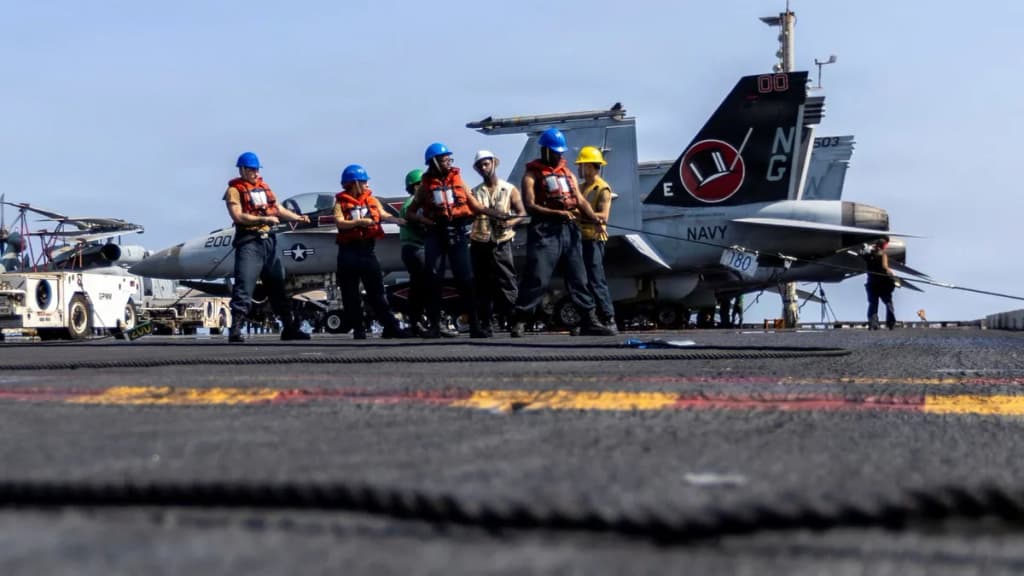
Mental health support in high-stress military environments refers to the systems, leadership initiatives, and medical resources designed to maintain the psychological well-being of service members during extended overseas deployments. Recent reports regarding the USS Abraham Lincoln highlight the intersection of combat fatigue, isolation, and the logistical realities of long-term naval operations.
According to the U.S. Navy, the ability to maintain crew resilience is a fundamental component of operational readiness, yet extended deployments—often exceeding six to eight months—create significant psychological strain on personnel. When commanders like Admiral Brad Cooper acknowledge these challenges, it signals a shift toward recognizing mental health as a core leadership priority rather than a secondary concern.
The primary stressors during long-term naval deployments include social isolation, sleep deprivation, and the high-pressure environment of sustained combat operations. Research indicates that the combination of physical confinement and the uncertainty of return dates creates a cumulative psychological burden that affects cognitive performance and morale.
Naval service requires personnel to function in high-stakes environments where errors carry life-or-death consequences. When deployments are extended, the lack of a clear "end date" exacerbates anxiety. Clinical studies on military psychology suggest that morale is closely tied to the predictability of rotation schedules. When those schedules are disrupted, the risk of burnout increases, leading to higher rates of depression and anxiety among enlisted sailors who may feel they lack control over their personal circumstances.
Military leadership evaluates crew resilience by monitoring metrics such as medical reporting, disciplinary incidents, and internal surveys regarding morale. While commanders often cite low numbers of "reported cases" to illustrate stability, experts argue that these figures may not capture the full extent of psychological distress due to the stigma surrounding mental health in military culture.
Admiral Cooper noted that while the USS Lincoln maintains relatively low case numbers compared to other carriers, "not everything is perfect." This acknowledgment is critical because it validates the lived experience of sailors who may be struggling. Effective leadership during deployment relies on identifying early warning signs, such as changes in work performance or social withdrawal, before they escalate into crises. The goal of these leadership initiatives is to shift the culture from one of silent endurance to one where seeking help is viewed as a functional necessity, similar to maintaining equipment.
Keep exploring
More from GroundworkExternal oversight by legislative bodies, such as the Senate Armed Services Committee, serves as a check on military policy, forcing the Pentagon to justify deployment lengths and resource allocation. Critics often argue that political pressure to maintain a "presence" in a conflict zone can overshadow the physical and mental limitations of the sailors tasked with executing those missions.
When lawmakers question the Pentagon, they are essentially asking whether the strategic value of a deployment outweighs the long-term cost to the health of the volunteer force. Historically, the military has struggled to balance operational requirements with the physiological needs of its personnel. Policies that prioritize rapid rotation are often limited by budget constraints and ship availability, creating a systemic tension between the needs of the mission and the needs of the individual.
Service members and their families can identify signs of distress by looking for sustained behavioral changes, including irritability, sleep disturbances, loss of interest in hobbies, and difficulty concentrating. During extended deployments, communication is often the primary bridge between the ship and the shore; if a sailor stops communicating or expresses feelings of hopelessness, it is a significant indicator that they may require professional intervention.
For families, the challenge is often the "invisible" nature of the stress their loved ones face. Because military communication can be restricted or monitored, it is vital for family members to stay connected with support networks and official Navy family readiness programs. These programs provide resources for navigating the unique stresses of deployment, including counseling services and crisis intervention hotlines designed specifically for the military community.
If you or a loved one are currently navigating the stress of military service, the most important step is to utilize available resources immediately. Do not wait for a crisis to occur before seeking support.
- Use official channels: Access the Department of Defense's Military OneSource for 24/7 non-medical counseling.
- Leverage peer support: Engage with shipboard mental health advocates or command religious programs, which are often the first line of support for sailors.
- Recognize the signs: If you notice persistent sleep issues, extreme anxiety, or feelings of isolation, contact a medical provider or chaplain immediately.
- Advocate for balance: For families, participate in ombudsman programs to stay informed and connected to the broader support network of the ship’s crew.
By normalizing the conversation around mental health, the military can improve retention and ensure that the individuals operating the fleet remain healthy, capable, and ready to perform their duties safely.