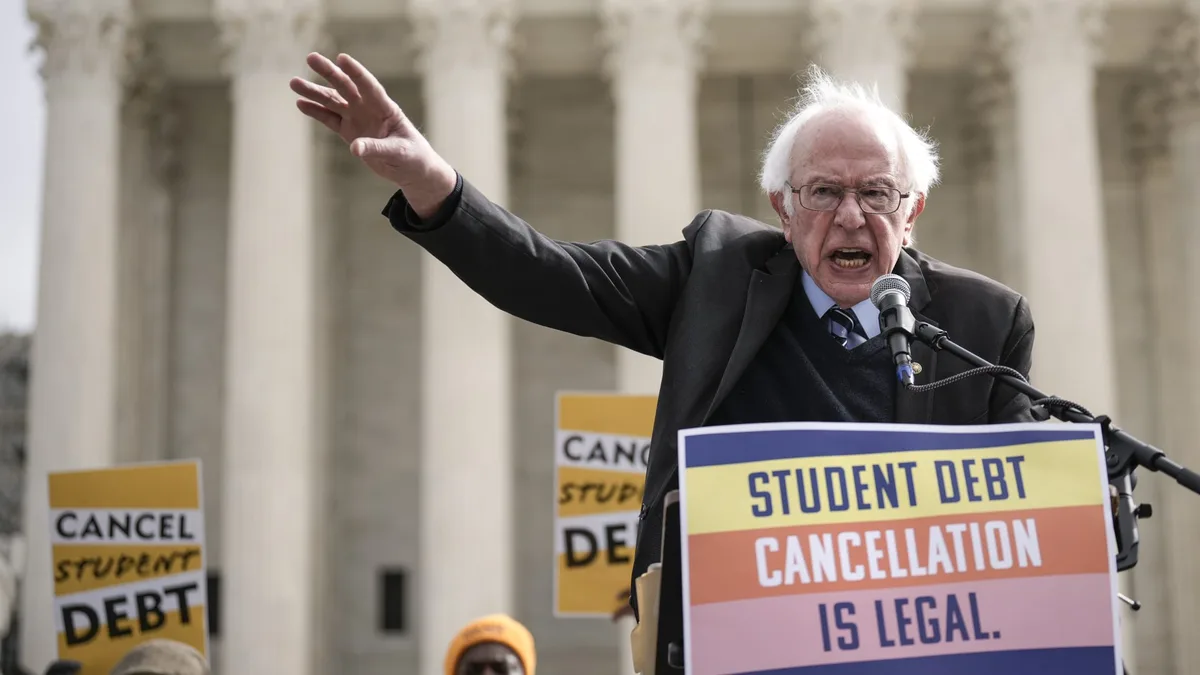
A proposed legislative measure, the Stop Social Security Garnishment Act, aims to permanently prohibit the federal government from withholding Social Security benefits to recover defaulted student loan debt. Currently, the U.S. government maintains the legal authority to garnish up to 15% of a borrower's Social Security benefit to satisfy federal student loan obligations, provided the benefit amount exceeds a specific threshold.
At Groundwork, our analysis shows that approximately 9.5 million borrowers currently hold federal student loans in default, according to data synthesized from the Associated Press. This large volume of defaults highlights a significant intersection between aging populations and long-term debt, as older Americans increasingly carry student loan burdens into retirement.
Yes, under existing federal law, the government possesses the authority to garnish Social Security retirement and disability benefits to repay defaulted federal student loans. While the Department of Education generally offers protections to ensure beneficiaries retain a minimum amount of income, the threat of garnishment remains a structural risk for retirees with outstanding federal debt.
Administrative policies—such as the pause on involuntary collections enacted by the Trump administration in 2025—function as temporary regulatory relief rather than permanent legal protection. Without legislative intervention, the government retains the statutory power to resume these seizures once moratoriums expire. The proposed Stop Social Security Garnishment Act seeks to codify a permanent end to this practice, effectively removing the threat of collection for older borrowers who rely on Social Security as their primary or sole source of income.
Student debt is no longer exclusively a challenge for young graduates; it has become a multi-generational financial burden. Data indicates that many borrowers are either continuing to pay off their own undergraduate and graduate degrees well into their 60s, or are repaying Parent PLUS loans taken out to fund their children's education.
Groundwork’s synthesis of demographic financial trends reveals that the complexity of repayment plans, coupled with compounding interest, often creates a cycle of debt that outlasts a borrower's peak earning years. For those on fixed incomes, the prospect of losing 15% of their monthly Social Security check is not merely a financial inconvenience—it is a threat to basic subsistence. The proposed bill acknowledges this reality by prioritizing the protection of retirement security over the recovery of federal debt.
When a borrower defaults on a federal student loan, the loan enters a status that triggers potential administrative action. The government typically follows a standardized procedure before garnishing benefits:
Keep exploring
More from Groundwork
- Notice of Intent: The Department of Education must send a formal notice to the borrower, outlining the intent to garnish Social Security benefits.
- Opportunity to Request a Hearing: Borrowers have a defined window to challenge the garnishment or request a repayment agreement that avoids seizure.
- Administrative Offset: If no resolution is reached, the Treasury Department intercepts a portion of the Social Security check, usually capped at 15% of the gross benefit amount.
- Protection Thresholds: Federal law requires that the government leaves the borrower with at least $750 per month (or a higher amount depending on specific regulations) after the garnishment is applied, though this limit is widely criticized for failing to account for modern cost-of-living increases.
If passed, this legislation would create a permanent firewall between federal retirement benefits and student loan collections. For borrowers, this would provide a measure of long-term stability and eliminate the anxiety associated with shifting administrative policies.
However, the bill also raises questions regarding the fiscal impact on the federal student loan program. Proponents, such as Senators Bernie Sanders, Elizabeth Warren, and Ed Markey, argue that the societal cost of poverty among the elderly outweighs the revenue recovered through garnishment. Conversely, critics of such measures often point to the need for accountability in federal lending. At Groundwork, our research framework suggests that the focus is shifting toward systemic reform of repayment plans, such as the new options introduced in July 2025, as a more sustainable solution than relying on aggressive collection tactics against vulnerable retirees.
If you are currently in or nearing retirement with outstanding federal student loans, you should prioritize the following steps to protect your financial standing:
- Review your loan status: Use the official StudentAid.gov portal to verify if your loans are in good standing, deferment, or default.
- Explore income-driven repayment (IDR): Many borrowers qualify for plans that base monthly payments on discretionary income, which can be as low as $0 for individuals with limited earnings.
- Consult with a neutral financial advisor: Avoid predatory debt-relief companies. Instead, seek guidance on how federal repayment plans interact with your specific Social Security benefit levels.
- Monitor legislative updates: Because policies regarding collections are subject to change, stay informed on the status of the Stop Social Security Garnishment Act and any administrative pauses currently in effect.
By taking proactive steps to manage your federal loan status today, you can mitigate the risk of future financial volatility in your retirement years.