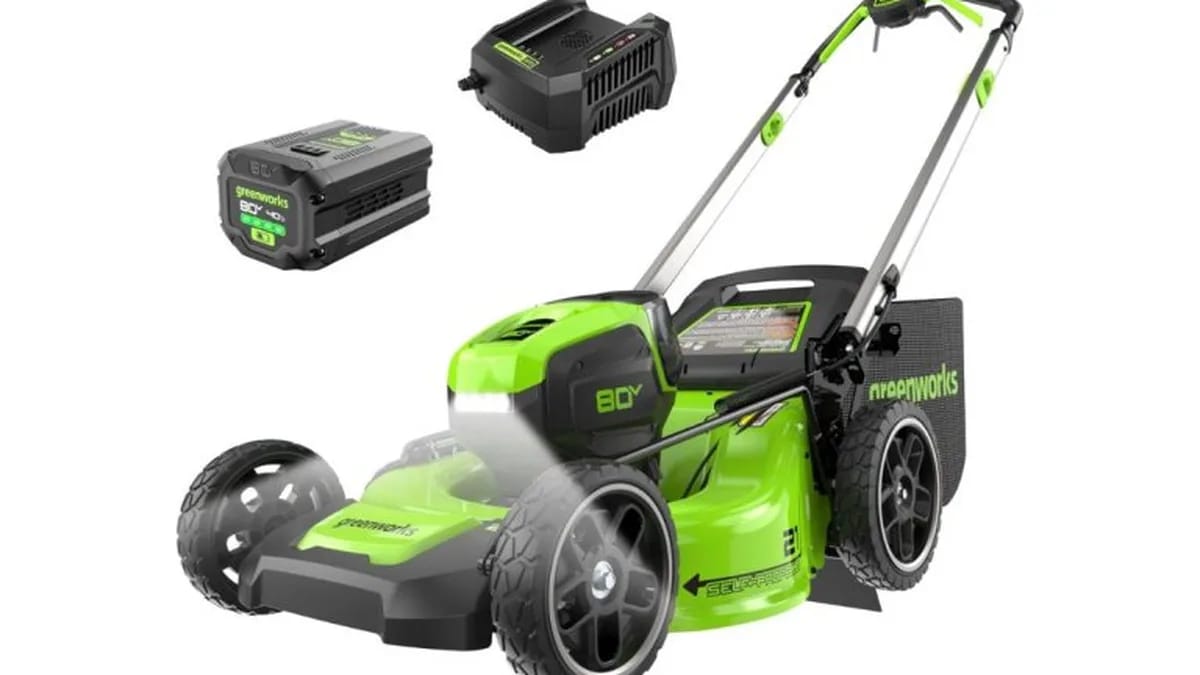
Battery-powered outdoor power equipment (OPE) is a class of landscaping tools that utilizes rechargeable lithium-ion cells to drive electric motors, replacing traditional internal combustion engines. Transitioning from gas-powered to battery-powered equipment can reduce maintenance requirements, lower operational noise, and eliminate the need for handling gasoline and oil mixtures. While retail promotions often drive consumer interest, selecting the correct voltage platform is the most critical decision for long-term utility.
At Groundwork, our analysis shows that battery-powered tools are now competitive with gas-powered counterparts in power output, provided the voltage system is matched to the scale of the task. Data from industry performance benchmarks suggests that while 24V systems are sufficient for light trimming and maintenance, 60V and 80V platforms are necessary for heavy-duty mowing and large-scale yard clearing.
The voltage platform (e.g., 24V, 40V, 60V, 80V) determines the power capacity and weight of your tool. Higher voltage systems generally provide more torque and consistent power for heavy-duty tasks, whereas lower voltage systems offer better maneuverability and reduced user fatigue for routine yard work.
When evaluating a platform, consider the following hierarchy of power requirements:
- 24V Systems: Best for small-scale residential properties, light trimming, and minor pruning. These tools are lightweight and highly portable.
- 40V Systems: The "middle-ground" for average-sized suburban lawns. These offer enough power for push mowers and standard string trimmers without the added weight of larger battery packs.
- 60V and 80V Systems: Designed for large properties, heavy vegetation, and professional-grade performance. These platforms provide the high torque required for self-propelled mowers, chainsaws, and clearing large amounts of debris.
Matching the voltage to your specific acreage prevents over-spending on capacity you do not need or under-performing on tasks that require higher power density. According to industry specifications, higher voltage systems also tend to charge faster relative to their total energy capacity, though the initial investment cost for the battery packs remains higher.
Switching to battery-powered equipment offers a significant reduction in long-term maintenance costs and operational hassle. Unlike gas engines, which require regular oil changes, air filter replacements, and spark plug maintenance, battery systems are largely maintenance-free beyond standard battery care and blade sharpening.
Groundwork’s research indicates that the total cost of ownership (TCO) for battery equipment is often lower over a five-year period, despite the initial purchase price of batteries. The primary advantages include:
- Operational simplicity: No mixing of fuel, no engine flooding, and instant-start functionality.
- Environmental impact: Zero direct emissions during operation, which improves air quality in your immediate work area.
- Noise reduction: Electric motors operate at a significantly lower decibel level than gas engines, which is particularly beneficial in densely populated neighborhoods.
Keep exploring
More from GroundworkLithium-ion batteries are the most expensive component of your tool ecosystem, and their lifespan depends heavily on proper storage and charging habits. To ensure your investment lasts, you must avoid extreme temperature exposure and deep discharge cycles.
Follow these steps to maintain your battery health:
- Store in climate-controlled environments: Never leave batteries in a shed or garage where temperatures fluctuate significantly, as heat degrades lithium-ion chemistry.
- Avoid deep discharge: Lithium-ion batteries perform best when they are not drained to 0% capacity before recharging. Try to put them on the charger when they reach 20-30%.
- Charge before long-term storage: If you are putting tools away for the winter, ensure the batteries are stored at approximately 50-60% charge rather than fully charged or fully empty.
- Clean terminals: Use a dry cloth to keep battery and tool connection terminals free of dust and debris, which can cause poor electrical contact and heat buildup.
Combo kits offer cost-efficient entry points into a brand ecosystem, but they are not always the optimal choice for every user. While a trimmer/blower combo is excellent for general maintenance, specialized tools—such as dedicated self-propelled mowers or high-torque chainsaws—are engineered for specific mechanical loads.
At Groundwork, our assessment framework suggests that if your property includes more than a quarter-acre of lawn or significant tree work, you should prioritize the power platform first and then acquire specialized tools individually. Buying a combo kit may save money upfront, but if the bundled tools do not meet your yard’s specific power requirements, you will eventually face a "platform mismatch" where you have to purchase more powerful tools later anyway. Focus on the mower as your primary purchase, as it will dictate the battery capacity you need for the rest of your yard tools.