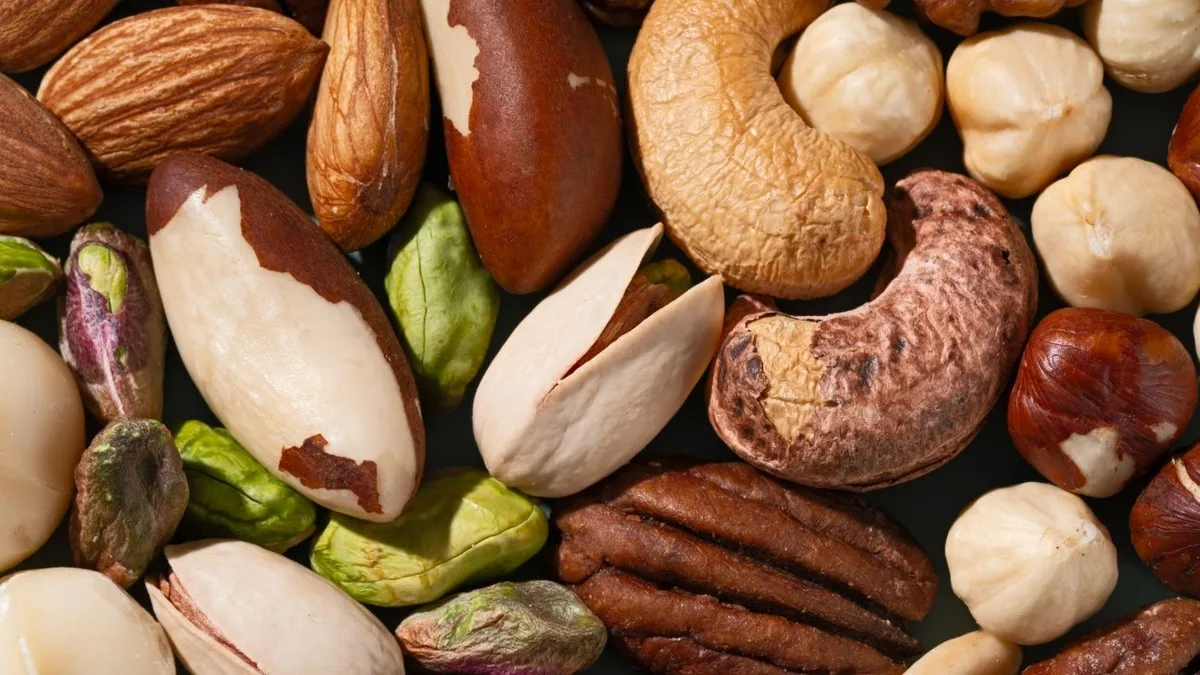
Hypertension, commonly known as high blood pressure, is a chronic cardiovascular condition where the force of blood against arterial walls remains persistently elevated above normal physiological thresholds (120/80 mmHg). Consuming approximately one ounce (28 grams) of nuts daily is associated with a 20% reduction in your risk of developing hypertension. At Groundwork, our analysis of clinical evidence indicates that incorporating raw or dry-roasted nuts into your daily regimen offers a low-cost, targeted intervention to support long-term endothelial health and blood vessel flexibility. For related guidance, see our in-depth guide on Why traditional insecticide-treated net metrics overstate malaria protection.
According to global health estimates from the World Health Organization (WHO), hypertension affects more than 1.28 billion adults worldwide and remains the primary modifiable risk factor for stroke, myocardial infarction, and renal failure. While pharmacotherapy is necessary for established high blood pressure, nutritional adjustments represent an empirical frontline strategy for prevention.
Eating a daily 28-gram serving of nuts lowers hypertension risk by approximately 20% compared to non-consumption, according to systematic research. The preventive benefit peaks at roughly 30 grams per day, yielding up to a 26% reduced risk without significant further risk reductions observed at higher daily intake levels.
A systematic review and meta-analysis published in the British Journal of Nutrition evaluated prospective cohort data from eight independent longitudinal studies encompassing 143,380 adult subjects across follow-up periods ranging from 4 to 30 years. During these tracking periods, clinicians documented 20,665 incident cases of hypertension.
When researchers compared participants in the highest intake quantile with those consuming the lowest amount, high nut consumption correlated with a baseline 16% reduction in hypertension risk. A more granular dose-response analysis demonstrated that each additional 28-gram serving per day—roughly equivalent to a small handful of almonds, walnuts, or pistachios—delivered an incremental 20% risk reduction.
Crucially, the statistical curve revealed a non-linear biological threshold. Cardiovascular protection scaled rapidly as daily intake rose from zero to 30 grams per day, achieving a 26% risk reduction. However, consuming amounts beyond 30 grams daily showed a plateau effect, yielding no additional statistically significant drop in incident hypertension. This demonstrates that continuous consistency—rather than extreme volume—is the governing factor in dietary vascular defense.
Nuts lower blood pressure by supplying micronutrients and bioactives—including magnesium, potassium, L-arginine, and unsaturated fatty acids—that relax vascular smooth muscle. These compounds promote nitric oxide production, facilitate vasodilation, counteract excess dietary sodium, and reduce overall systemic arterial stiffness.
At Groundwork, our review of vascular pathophysiology highlights four primary biomechanical pathways through which the nutrient matrix of nuts acts on the circulatory system:
Magnesium serves as an essential cofactor in over 300 enzymatic reactions, directly regulating vascular tone. In vascular smooth muscle cells, magnesium acts as a physiological calcium channel blocker. By competing with calcium at cellular membrane binding sites, magnesium prevents intracellular calcium overload, preventing arterial constriction and promoting vasodilation (arterial widening). A 28-gram serving of almonds or cashews delivers between 15% and 20% of your daily recommended magnesium intake.
Potassium plays a critical physiological role in regulating systemic fluid balance and arterial tension. High potassium intake signals the kidneys to excrete excess sodium via urine while dampening the activity of the renin-angiotensin-aldosterone system (RAAS). Furthermore, potassium reduces tension in arterial walls, dampening the physical pressure exerted by blood surges during cardiac contraction.
Keep exploring
More from GroundworkNuts are a rich dietary source of L-arginine, an amino acid that acts as the direct substrate for endothelial nitric oxide synthase (eNOS). Endothelial cells utilize L-arginine to synthesize nitric oxide (NO), a powerful signaling molecule that instructs vascular smooth muscle to relax. Higher circulating levels of nitric oxide improve endothelial dysfunction, reduce vascular resistance, and maintain arterial compliance.
Nuts possess high concentrations of monounsaturated fatty acids (MUFAs) and polyunsaturated fatty acids (PUFAs), notably alpha-linolenic acid (ALA) found abundantly in walnuts. These healthy lipids replace pro-inflammatory saturated fats in the diet, lowering circulating low-density lipoprotein (LDL) particles and inhibiting nuclear factor-kappa B (NF-κB) pathways. This lipid optimization reduces vascular wall inflammation and lipid peroxidation, maintaining smooth, uncompromised arterial walls.
Nut preparation significantly influences cardiovascular outcomes because added sodium can offset vascular benefits. Unsalted, raw, or dry-roasted nuts preserve endothelial health without elevating blood pressure, whereas heavily salted or hydrogenated-oil roasted varieties introduce excess sodium and trans fats that impair arterial function.
The clinical efficacy of daily nut consumption relies heavily on product selection. Dietary sodium is a primary driver of elevated blood pressure, causing renal fluid retention and increased intravascular volume. A single serving of commercially salted nuts can contain upwards of 200 to 300 milligrams of sodium, which directly undermines the vasodilation benefits supplied by the nut's internal potassium and magnesium.
To optimize your dietary strategy, evaluate nut choices according to processing indicators:
- Raw or dry-roasted nuts: These preserve the intact matrix of polyphenols, vitamins, and minerals without adding excess sodium or oxidized fats.
- Oil-roasted nuts: Often processed in low-grade palm or soybean oils subjected to high thermal stress. This heating process can create inflammatory lipid peroxides that degrade endothelial function.
- Commercial nut butters: Frequently formulated with added sugars, sodium, and fully or partially hydrogenated vegetable oils. Select products containing 100% nuts (or nuts and minimal salt) without added industrial oils.
Regarding nut taxonomy, both tree nuts (such as walnuts, almonds, pecans, cashews, and pistachios) and legumes (peanuts) demonstrate cardiovascular benefits. However, walnuts possess higher levels of omega-3 ALA, while pistachios contain high concentrations of lutein and potassium, making a varied mix superior to relying on a single variety.