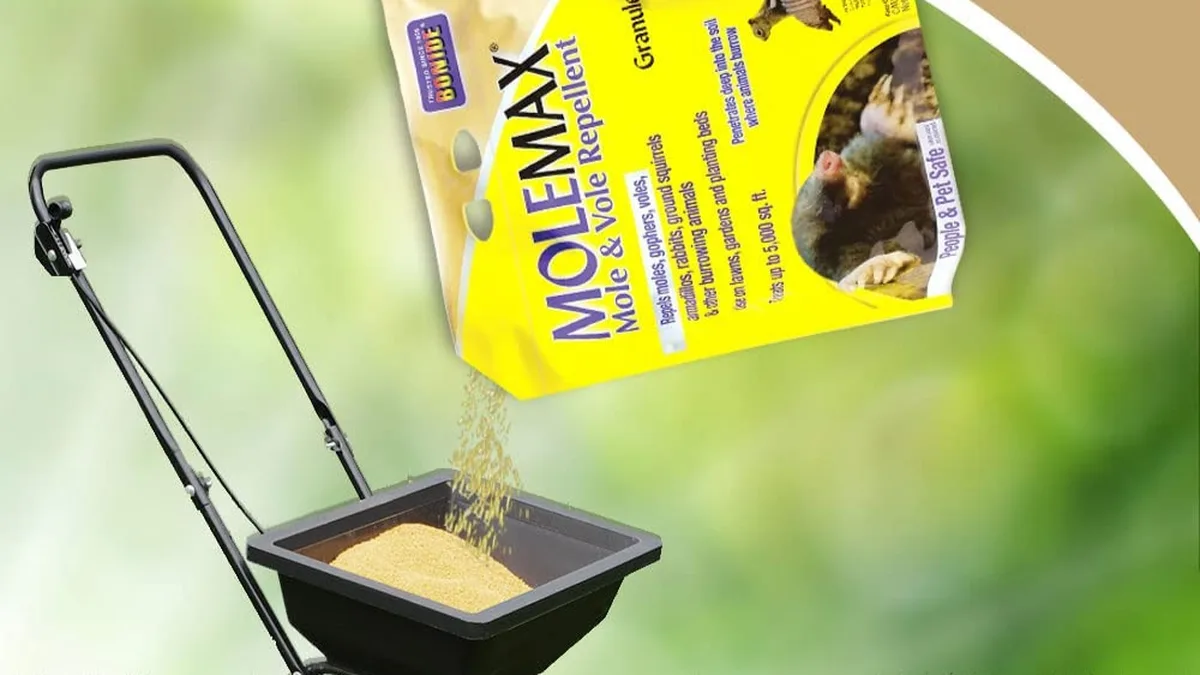
A vole repellent is a substance or device designed to discourage voles—small, mouse-like rodents—from inhabiting or damaging your lawn and garden through scent, taste, or physical irritation. Because a single breeding pair of voles can produce up to 100 offspring annually, early intervention is critical to preventing a severe yard infestation that leads to root damage and tunnel networks (Hawx Pest Control, 2026).
Effective management relies on understanding that voles are primarily attracted to dense vegetation and available food sources like roots, bulbs, and tree bark. According to entomologists, the most successful strategies combine repellents with habitat modification, as no single product provides a permanent, guaranteed solution for every landscape condition (University of California Agriculture and Natural Resources, 2023).
Vole repellents function by making your yard an inhospitable environment through sensory disruption, primarily targeting the rodent’s sensitive sense of smell or taste. Most effective commercial products rely on castor oil, which acts as a mild toxin or irritant when ingested or absorbed, forcing voles to relocate to a more comfortable food source (National Pesticide Information Center, 2024).
Repellents generally fall into three categories:
- Granular repellents: These are spread across the soil surface and activated by watering, allowing the scent to penetrate tunnels.
- Liquid sprays: These provide high-coverage options, often applied via a hose-end sprayer to protect larger swaths of turf.
- Ultrasonic devices: These emit high-frequency vibrations intended to disrupt the rodent's subterranean navigation, though their efficacy remains debated in peer-reviewed literature compared to chemical-based deterrents.
Castor oil remains the gold standard for non-toxic vole deterrence, as it is safe for pets and wildlife while being highly effective at contaminating the voles' food supply. Research indicates that castor oil-based products are among the few natural repellents that consistently show results in field trials when applied correctly and reapplied after heavy rainfall (Purdue University Extension, 2025).
When selecting a product, look for these key components:
- Castor oil: The primary active ingredient for disrupting foraging behavior.
- Essential oils: Peppermint, garlic, and clove oils are often added to increase the repellent's scent profile, making the area less attractive to burrowing pests.
- Non-toxic binders: Ensure the product is labeled as pet-safe, particularly if you have dogs or cats that frequent the treated areas.
Keep exploring
More from GroundworkTo maximize the effectiveness of your chosen repellent, you must apply it systematically to the entire affected area rather than spot-treating individual holes. The goal is to create a 'scent barrier' that encourages the voles to exit your property rather than simply moving to an untreated section of your yard.
Follow these steps for proper application:
- Identify active areas: Look for shallow, winding runways in the grass or small, circular holes leading underground.
- Prepare the soil: If using granules, lightly rake the area to ensure the product reaches the soil surface.
- Water the area: Most granular and liquid repellents require activation by water to penetrate the soil and release the scent into the burrow system.
- Reapply consistently: Most manufacturers recommend reapplication every 30 to 60 days, or immediately following significant rainfall, as the active ingredients will leach into the deeper soil layers over time.
Chemical repellents are most effective when paired with physical habitat modifications that remove the cover voles need to survive. Voles are vulnerable to predators and avoid open spaces, so reducing the density of your landscaping is a highly effective, long-term strategy for keeping them away.
Practical steps for habitat modification include:
- Clearing mulch: Keep mulch at least 3 inches away from the base of trees and shrubs to prevent voles from gnawing on bark.
- Mowing regularly: Keep grass short to eliminate the protected 'runways' that voles use to travel across your lawn.
- Removing debris: Eliminate piles of wood, brush, or dense ground cover where voles typically nest.
- Installing hardware cloth: For high-value plants or bulbs, bury wire mesh cages at least 6 to 10 inches deep to physically block burrowing access.
If you have attempted consistent application of repellents and habitat modifications for more than 30 days without a reduction in tunnel activity, you may be dealing with a high-density population that requires professional intervention. Professionals can provide access to rodenticides or specialized trapping methods that are restricted for residential use.
Before calling an expert, evaluate the following signs of a persistent infestation:
- New tunnel networks appearing daily despite treatment.
- Significant death of mature shrubs or trees due to root system destruction.
- Visible activity during daylight hours, which often indicates the population has exceeded the available food supply.