Learn how to choose the right cocktail glassware based on drink style, temperature, and aroma. Master your home bar with these essential, evidence-based tips.
Based on reporting by Architectural Digest. Research, structure, and fact-checking by Groundwork.
The shape of your glass dictates how you experience a cocktail's aroma and temperature. Focus on acquiring three essential types: a 5-6 oz coupe for chilled drinks, a 10-12 oz rocks glass for spirit-forward pours, and a highball glass for carbonated long drinks. Always prioritize thin rims and proper hand-washing to maintain clarity.
High-quality glassware, particularly lead-free crystal, requires specific care to prevent clouding and breakage. Dishwashers can be harsh on delicate stems, causing micro-abrasions that lead to permanent fogging. For the best results, hand-wash your glassware using a mild, fragrance-free dish soap and lukewarm water.
To avoid water spots, dry your glasses immediately with a lint-free microfiber polishing cloth. If you must use a dishwasher, ensure the glasses are spaced far apart to prevent clinking and potential chips. Avoid using rinse aids, which can leave a chemical residue that alters the flavor profile of your spirits. If you notice persistent cloudiness, a brief soak in a solution of white vinegar and water can often restore the glass's original clarity.
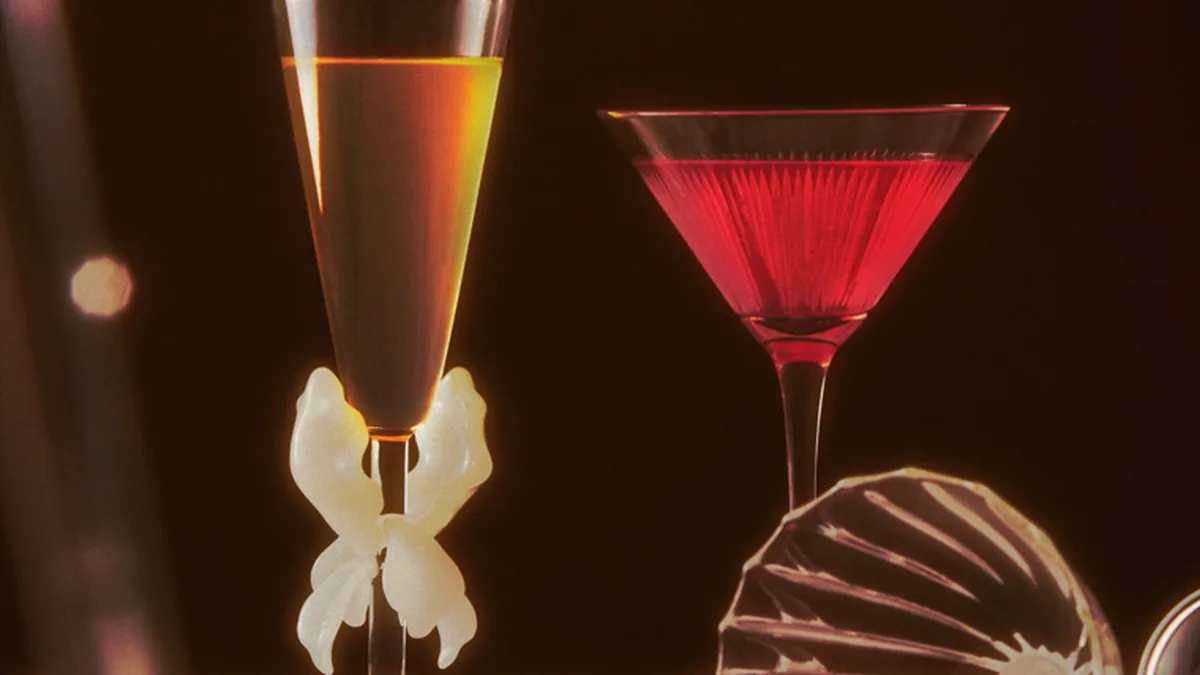
While functionality is the priority for a professional bartender, home entertaining often demands a balance between utility and visual appeal. It is perfectly acceptable to select statement pieces—such as hand-blown colored glass or ornate vintage-style coupes—provided they meet the fundamental physical requirements of the drink.
When buying glassware, check for a thin rim. A thinner rim provides a more refined drinking experience compared to a thick, rolled rim, which can feel clunky and distract from the texture of the cocktail. As noted by experts in industrial design, the weight distribution should be balanced; the glass should feel substantial in your hand without being excessively heavy, which indicates poor weight distribution and potential fatigue during use.
When you are ready to invest in your collection, evaluate your purchase based on these three criteria:
By keeping your collection curated, you ensure that every glass you pull from the cabinet serves a purpose, turning a simple drink into a deliberate experience.
No, you do not. A well-stocked home bar only requires three types of glasses: a coupe for drinks served up, a rocks glass for drinks on the rocks, and a highball glass for tall, carbonated drinks. Most other specialty glasses are optional and cater to specific presentation styles.
Price differences typically reflect the material—such as lead-free crystal versus soda-lime glass—the manufacturing process, and the brand's design pedigree. Hand-blown glass often costs more due to the labor-intensive production process, though machine-made crystal can offer similar clarity and durability at a lower price point.
Hand-washing is superior for preserving the life and clarity of your glassware. Dishwashers can cause micro-abrasions, clouding, and accidental breakage. If you use a dishwasher, use a delicate cycle, avoid high heat, and ensure the glasses are spaced far enough apart to prevent physical contact.
A drink served 'up' is prepared by stirring or shaking it with ice to chill and dilute it, then straining it into a glass without fresh ice. This keeps the drink cold without the ongoing dilution that occurs if the ice were left in the glass.
Learn how to choose the right pitchfork for your garden. We break down the differences between digging and manure forks, durability markers, and maintenance.
Learn how to choose and apply the best vole repellents to protect your yard. Discover expert-backed methods for safe, effective rodent control.
Learn how to choose the right small bathroom vanity by measuring your space, selecting durable materials, and optimizing storage for a functional powder room.