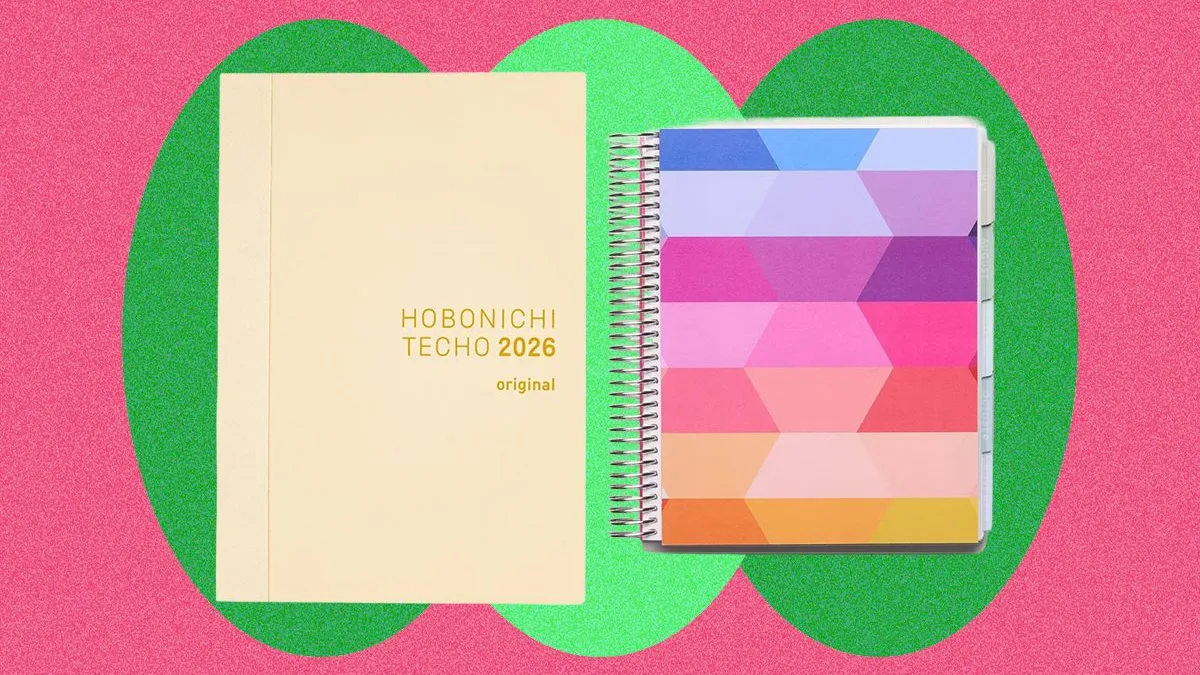
Discover the best paper planners for 2026. Learn how to choose between undated, weekly, and modular systems to improve your daily productivity and focus.
Based on reporting by Wired. Research, structure, and fact-checking by Groundwork.
Paper planners improve memory retention and focus by removing digital distractions. Choose an undated planner if you have a fluctuating schedule, or a modular system if you prefer to customize your layout. Always prioritize paper quality and layout design over aesthetic trends to ensure the tool actually supports your productivity.
Undated planners are journals that do not have pre-printed dates, allowing users to fill in the calendar as needed. This design is superior for people with fluctuating workloads because it prevents the 'guilt factor' of leaving blank pages during weeks when you are less busy. According to productivity experts, this flexibility increases the long-term sustainability of the habit, as the planner remains useful even if you miss a few weeks of entries.
For users who require specific layouts, a modular planner system is the most effective choice. Brands like Cloth & Paper offer high-quality inserts, ring-bound covers, and specialized productivity dashboards that allow you to curate your own planner. By selecting only the pages you need—such as habit trackers, expense logs, or meeting notes—you eliminate the clutter of pre-printed pages that do not serve your specific goals. This method is highly recommended for people who have tried 'all-in-one' planners but found they only used 50% of the included features.
Japanese-style planners, such as the Hobonichi Techo, are renowned for their ultra-thin, high-quality Tomoe River paper that resists ink bleed-through. These planners are typically designed with a high degree of precision, offering daily pages that can serve as both a schedule and a journal. If you are a fountain pen enthusiast or prefer a minimalist, high-density writing experience, the quality of the paper and the thoughtful binding of Japanese-style planners provide a superior tactile experience that standard office supply planners often lack.
The primary advantage is the paper quality. Brands like Hobonichi use Tomoe River paper, which is incredibly thin yet remarkably resistant to ink bleed-through, allowing for a high volume of writing without the notebook becoming overly bulky.
A weekly planner is best if you need to see your broad commitments and project deadlines at a glance. A daily planner is superior if you have a high volume of hourly appointments and need significant space to break down tasks into small, actionable steps.
Yes, many people use a hybrid system. Use your digital calendar for alerts and time-sensitive reminders, and use your paper planner for daily task prioritization, deep-work planning, and reflection to keep your goals front-of-mind without digital distractions.
Comedian Chloe Radcliffe is reframing the conversation on infidelity by moving beyond moral judgment to explore the psychological patterns behind cheating.
Learn how to evaluate SSD deals by focusing on read/write speeds, interface types, and price-per-gigabyte to ensure you get value for your hardware investment.
Learn how to choose the right television by comparing OLED and LED technologies, identifying real price discounts, and verifying essential gaming features.