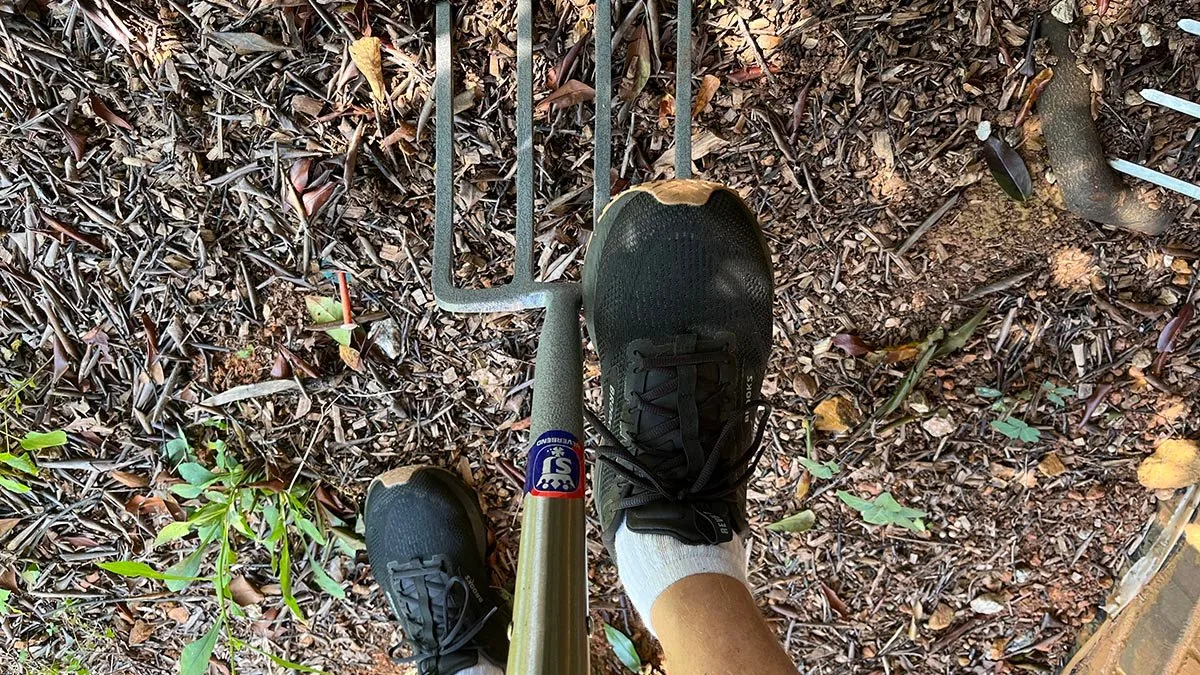
Learn how to choose the right pitchfork for your garden. We break down the differences between digging and manure forks, durability markers, and maintenance.
Based on reporting by Bob Vila. Research, structure, and fact-checking by Groundwork.
Choose a forged carbon steel digging fork for heavy soil and a long-handled, wide-tine manure fork for compost or mulch. Prioritize tools with solid-socket construction to prevent handle breakage. Always clean and oil your tines after use to prevent rust and maintain structural integrity.
Selecting the right fork involves matching the tool's weight and tine geometry to your physical size and the density of your soil. If you are working in heavy clay or rocky terrain, choose a heavy-duty forged digging fork with a shorter handle (typically 30 to 40 inches). The shorter handle allows for better control and prevents the tool from flexing too much under the weight of a heavy soil load.
For compost turning or moving mulch, prioritize a longer handle (48 inches or more) and a lighter head. A longer handle reduces the amount of bending required, which protects your lower back. If you are a shorter individual, avoid full-length professional tools, as the excessive length can make the tool feel unwieldy and increase your risk of wrist fatigue. Always test the handle grip; a D-handle is standard for digging, but a straight, long handle is often more ergonomic for rapid, repetitive tasks like tossing hay or compost.
Even premium tools eventually succumb to wear, and recognizing the signs early can prevent an injury in the garden. The most common warning sign is "tine splay," where the tines begin to bend outward or inward, indicating that the metal has reached its elastic limit. Once the metal has been deformed, it is permanently weakened and will likely snap under future pressure.
Check for looseness between the head and the handle. If the head wobbles even slightly, the internal fasteners or the wood handle itself may be rotting or splitting. A loose head is dangerous because it can suddenly shift while you are prying, causing you to lose your balance. If you notice rust deep within the socket, treat it immediately with a wire brush and oil, as rust acts as a wedge that can expand and crack the handle wood over time.
Proper maintenance involves cleaning the tines after every use and storing the tool off the ground to prevent moisture accumulation. Soil contains acidic compounds that accelerate corrosion, especially on carbon steel tools. Use a stiff wire brush to remove caked-on dirt, then wipe the tines with a light coat of mineral oil or a silicone-based lubricant to create a moisture barrier.
If you have a wooden handle, inspect it for splinters or cracks at the start of each season. Sanding down rough spots and applying a coat of boiled linseed oil can prevent the wood from drying out and snapping. When storing, hang the pitchfork vertically in a dry, shaded shed. Keeping it in direct sunlight can cause the wood to become brittle, and leaving it on the ground invites rust and wood rot.
A D-handle provides better leverage and control, making it ideal for digging and prying tasks that require precision. A long, straight handle is better for tossing materials like compost or hay, as it allows for a wider range of motion and reduces the need to bend over.
A loose head should be addressed by tightening any visible bolts or screws. If the wood handle has shrunk or rotted, the head may need to be reset or the handle replaced entirely. Do not attempt to use a pitchfork with a loose head, as it is a significant safety hazard.
Carbon steel is generally preferred for digging forks because it is stronger and holds its shape better under heavy pressure. Stainless steel is more resistant to rust, but it is often softer and more prone to bending during rigorous garden tasks.
Learn how to choose the right cocktail glassware based on drink style, temperature, and aroma. Master your home bar with these essential, evidence-based tips.
Learn how to choose and apply the best vole repellents to protect your yard. Discover expert-backed methods for safe, effective rodent control.
Learn how to choose the right small bathroom vanity by measuring your space, selecting durable materials, and optimizing storage for a functional powder room.