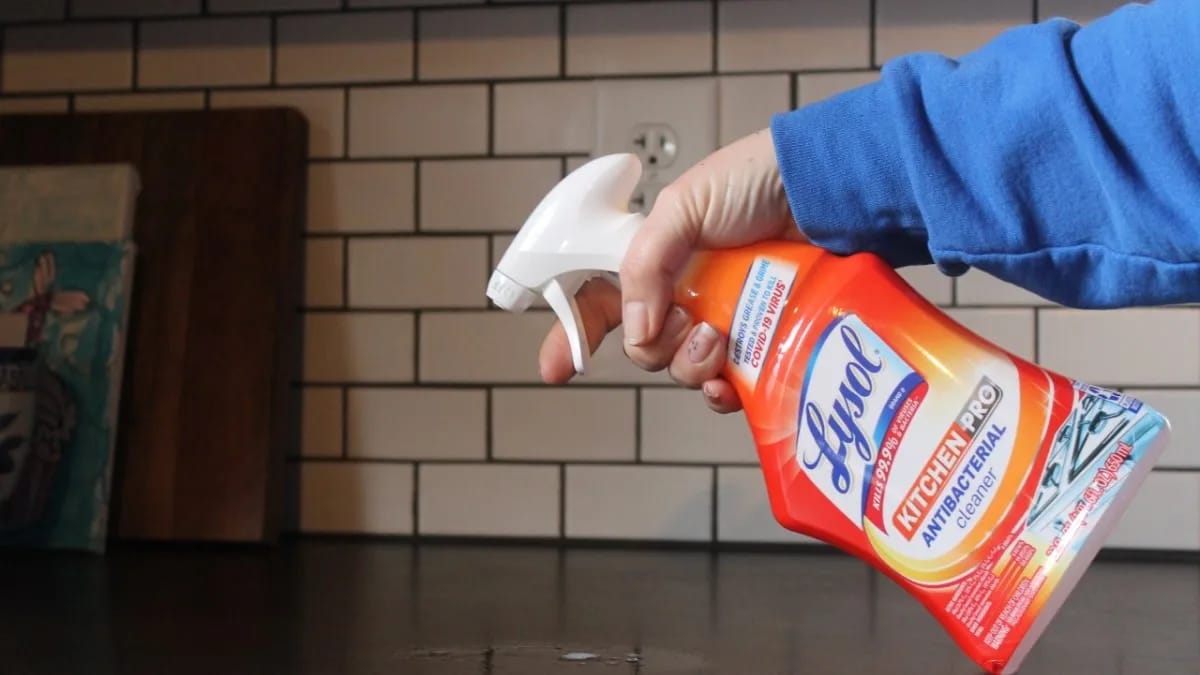
A kitchen cleaner is a chemical agent or solution specifically formulated to break down lipids, proteins, and mineral deposits on food-contact surfaces. Selecting the right product requires matching the chemical composition to the specific type of soil, such as polymerized grease, burnt-on food, or surface bacteria, while ensuring safety for the materials in your kitchen.
Research indicates that using the incorrect cleaning agent can lead to surface degradation, particularly on natural stone, stainless steel, and porous countertops (Journal of Cleaning Science). Efficiency in the kitchen relies on pairing the correct pH level with the specific mess: alkaline cleaners for fats and grease, and acidic cleaners for mineral buildup and hard water spots.
Choosing a kitchen cleaner effectively involves identifying the primary mess you face and the surface material it occupies. For daily maintenance, a pH-neutral multipurpose spray is sufficient, but heavy-duty degreasers are necessary for stove hoods and backsplashes where grease accumulates and polymerizes over time.
When selecting a product, prioritize these three criteria:
- Surface compatibility: Ensure the cleaner is labeled safe for your specific countertop (e.g., granite vs. quartz).
- Sanitization requirements: If you are cleaning raw meat preparation areas, look for EPA-registered disinfectants that kill 99.9% of bacteria.
- Chemical sensitivity: If you have respiratory sensitivities or pets, opt for plant-based surfactants rather than ammonia or bleach-based formulas.
Multipurpose cleaners are designed for broad utility, but they often lack the concentrated alkalinity required to emulsify thick layers of grease. While convenient for daily wipe-downs of tables and islands, multipurpose formulas typically have a lower concentration of surfactants compared to dedicated degreasers.
According to studies on surface hygiene, relying solely on multipurpose sprays in high-traffic cooking zones often leaves a thin film of lipids behind, which acts as a magnet for dust and future grime (Environmental Science & Technology). For effective deep cleaning, professionals recommend a two-step process: a dedicated degreaser for the cooking range and a food-safe disinfectant for preparation surfaces.
Keep exploring
More from GroundworkKitchen messes are chemically diverse, meaning they require different pH environments to break down effectively. Alkaline cleaners, which have a pH higher than 7, are the gold standard for grease and oil because they trigger a process called saponification, turning fats into a water-soluble soap.
Conversely, acidic cleaners (pH lower than 7) are essential for removing mineral deposits, lime scale, and rust from sinks and faucets. Using a basic spray on a hard water stain will often yield poor results, just as using a vinegar-based cleaner on a grease-laden stove will fail to emulsify the lipids. For the most effective results, keep a degreaser for the range and an acidic cleaner for the sink area.
Cleaning food-contact surfaces requires balancing sanitization with chemical safety. The primary goal is to remove organic matter, which can harbor pathogens, without leaving behind toxic residues that could migrate into food.
Follow this process for safe kitchen maintenance:
- Clear the area: Remove all food items and dishware to prevent cross-contamination.
- Apply the cleaner: Spray the surface or apply the powder, allowing it to sit for the manufacturer-recommended dwell time (often 30 seconds to 5 minutes).
- Scrub and wipe: Use a non-abrasive cloth or sponge to agitate the area, ensuring you reach corners and crevices.
- Rinse: If the product is not food-safe, wipe the surface thoroughly with a clean, damp cloth to remove residual chemicals.
- Dry: Always dry surfaces with a clean microfiber cloth to prevent water spots and inhibit bacterial growth.
Natural cleaners, often derived from plant-based surfactants or vinegar, are highly effective for daily cleaning and light soil. Synthetic cleaners, which may include solvents or specialized surfactants, are superior for heavy-duty restoration of neglected surfaces.
Data suggests that natural cleaners are often safer for households with small children or pets, as they avoid volatile organic compounds (VOCs) that can impact indoor air quality. However, they may require more physical effort (mechanical action) to achieve the same results as a more potent synthetic degreaser. If you choose a natural powder cleanser, ensure you use a soft sponge to avoid creating micro-scratches on polished surfaces like stainless steel or glass-ceramic cooktops, which can become breeding grounds for bacteria over time.