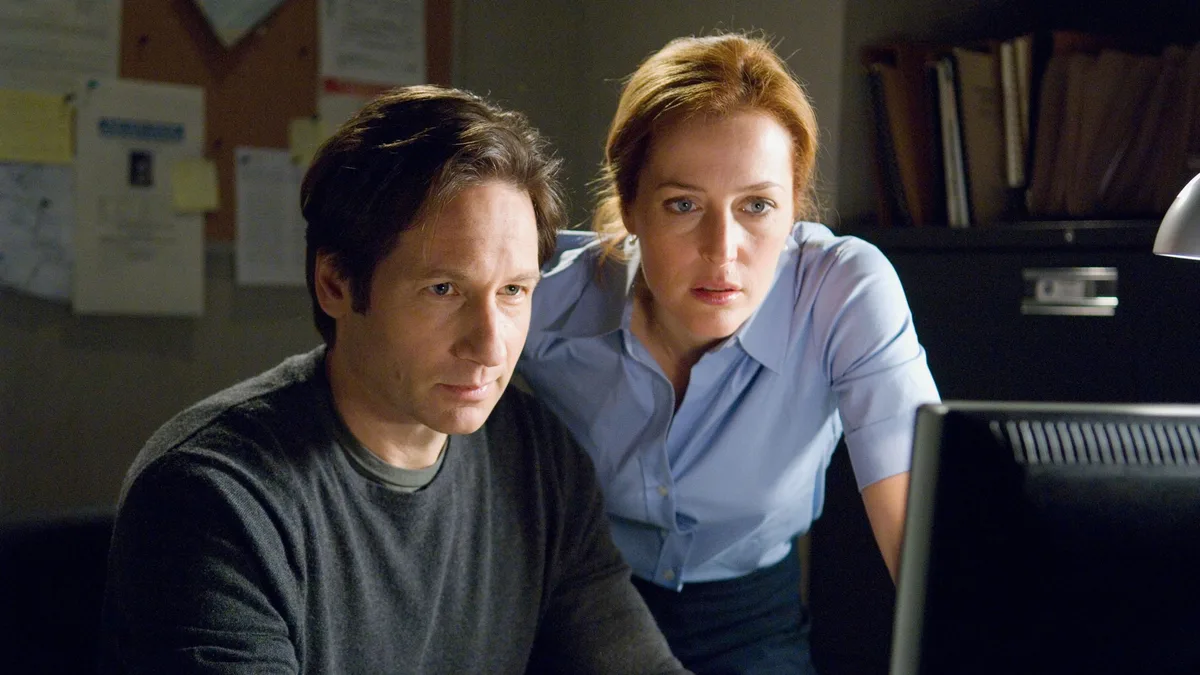
A director’s cut is a version of a film that reflects the creator's original vision before studio-mandated edits or censorship alter the final product. In the case of the 2008 film The X-Files: I Want to Believe, the transition from a theatrical release to a director’s cut represents a significant shift in tone and narrative intent. While the original theatrical version was constrained by PG-13 rating requirements, the current director’s cut aims to restore the grittier, more supernatural elements that creator Chris Carter originally envisioned for the franchise.
According to data from the Motion Picture Association, the distinction between rating categories often dictates the amount of graphic violence or mature thematic content a film can include, which significantly impacts the creative latitude of directors. For I Want to Believe, the studio-imposed PG-13 rating forced Carter to move away from the visceral horror that defined the show’s most iconic episodes.
The theatrical version of The X-Files: I Want to Believe was heavily altered because 20th Century Fox executives prioritized a PG-13 rating to ensure a broader commercial reach. Studio executives perceived Carter’s initial script, which leaned into graphic body horror and darker supernatural themes, as too extreme for a general audience. This led to a studio-mandated process of trimming scenes and adjusting the film's pacing to meet specific demographic targets, as noted in reports from The Verge.
When a studio demands these changes, the creative process shifts from storytelling to risk management. By softening the edges of the narrative, the studio effectively removed the tension and stakes that typically define the X-Files brand. For fans of the series, this dilution of tone was immediately apparent, leading to polarized reactions compared to the show’s more intense television run.
The director’s cut of I Want to Believe restores scenes that emphasize the grim reality of the film's antagonist and the psychological burden placed on Mulder and Scully. By reincorporating footage that was previously cut, the film now aligns more closely with the dark, atmospheric tone found in high-stakes episodes of the original series. These additions are not merely aesthetic; they fundamentally alter the audience's understanding of the motivations behind the central characters.
Keep exploring
More from GroundworkResearch on film editing suggests that even minor shifts in scene sequencing and the inclusion of excised dialogue can change the emotional resonance of a film. In this new version, the horror is no longer suggested or peripheral; it is central to the narrative, providing the grit that Carter originally intended to deliver. This reflects a growing trend in digital distribution, where platforms like Hulu allow creators to revisit and revise legacy content to better reflect their original intent.
The release of this director’s cut serves as a case study in how digital platforms provide a second life for films that were compromised by theatrical constraints. As streaming services become the primary home for archival content, creators are increasingly empowered to release "definitive" versions of their work. This shift allows for a more transparent relationship between the creator and the audience, as it documents the friction between artistic vision and corporate mandates.
If you are interested in exploring this version, watch the film with an eye for the pacing and the intensity of the character interactions. The differences are most pronounced in the scenes involving the film's supernatural elements, which now carry a more menacing weight. Comparing the two versions highlights the impact that studio interference can have on the final quality of a narrative-driven project.
To evaluate whether a director's cut provides a better experience, you should compare the narrative flow of both versions, paying attention to whether the added scenes provide necessary context or simply add runtime. In the case of I Want to Believe, the director's cut functions as a necessary restoration of tone. By focusing on the darker themes, the film better aligns with the expectations of long-term fans who valued the show for its willingness to explore challenging, unsettling subject matter.