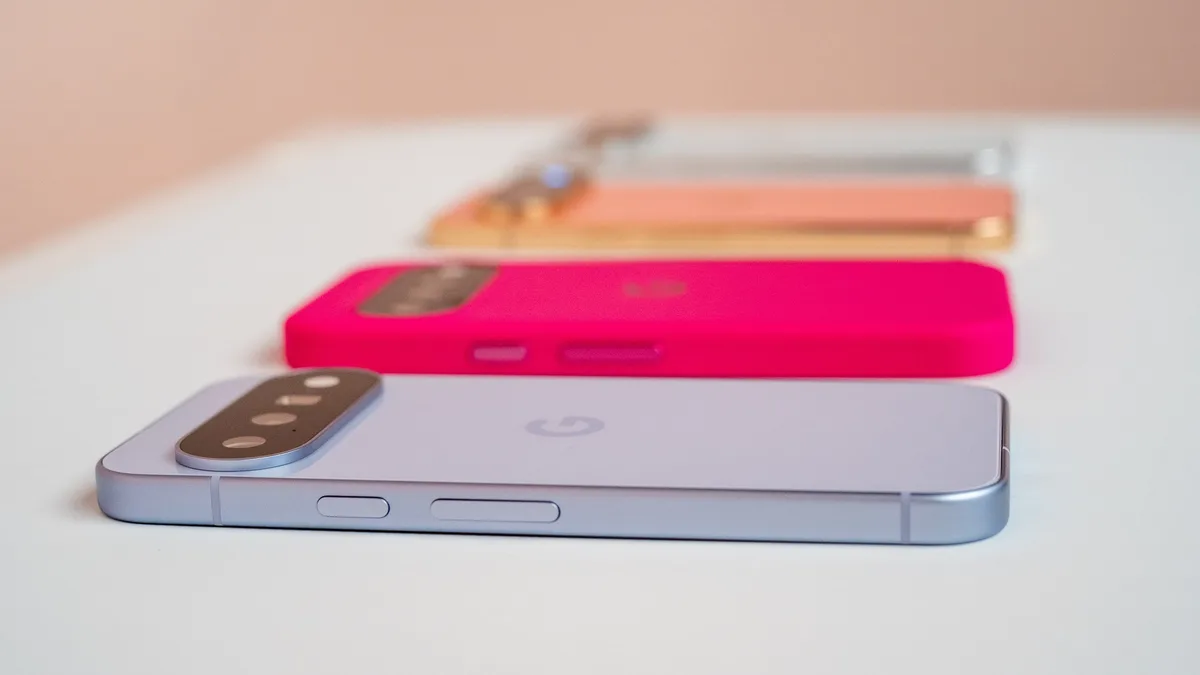
A flagship smartphone is a manufacturer’s top-tier device, representing the pinnacle of their current hardware and software capabilities. When comparing the Google Pixel 11 and the Samsung Galaxy S26, you are choosing between two distinct philosophies of the Android experience: Google’s AI-centric, software-optimized approach versus Samsung’s hardware-first, feature-rich ecosystem. Both devices start at $899 for the 256GB storage and 12GB RAM configuration, placing them firmly in the premium category of the mobile market.
Both the Google Pixel 11 and the Samsung Galaxy S26 carry a starting MSRP of $899 for their base configurations. Because the Galaxy S26 has been available for several months longer than the Pixel 11, retail market trends suggest you are more likely to find promotional discounts, trade-in bonuses, or carrier incentives on the Samsung device compared to the newly released Pixel. If you are shopping for immediate value, the Galaxy S26 currently offers more flexibility in pricing due to its longer time on the market.
The Samsung Galaxy S26 consistently outperforms the Google Pixel 11 in raw computational benchmarks, including CPU speed, gaming performance, and battery efficiency. While the Pixel 11 utilizes Google's custom Tensor G6 chipset, which is highly optimized for AI-driven tasks and Gemini integration, independent performance benchmarks indicate that the Qualcomm Snapdragon 8 Elite Gen 5 found in the Galaxy S26 provides a superior experience for demanding applications and sustained high-performance tasks.
Keep exploring
More from GroundworkThe Google Pixel 11 and Samsung Galaxy S26 feature near-identical display specifications, though they utilize different panel technologies. Both phones offer a 6.3-inch screen with a 120Hz refresh rate, ensuring smooth scrolling and fluid animations. The Pixel 11 uses an OLED panel, while the Galaxy S26 uses an AMOLED display. In practical terms, these technologies provide similar color accuracy and brightness levels, though the S26 is slightly more compact, standing 0.1 inches shorter than the Pixel 11. Your choice here likely comes down to physical ergonomics and your personal preference for how the device feels in your hand.
The Google Pixel 11 houses a 4,985 mAh battery, which is significantly larger than the 4,300 mAh capacity found in the Samsung Galaxy S26. However, raw battery capacity does not always translate to longer real-world usage. The Snapdragon 8 Elite chipset in the Galaxy S26 is generally considered more power-efficient than the Tensor G6. Consequently, while the Pixel 11 has a larger physical cell, the Galaxy S26 often manages to keep pace with the Pixel in daily endurance due to superior power management and chipset efficiency.
Choosing between these two smartphones depends on what you value most in your daily mobile experience. If your priority is deep integration with Google’s AI services, a clean software interface, and the latest Android features delivered directly from the source, the Pixel 11 is the logical choice. Conversely, if you prioritize raw gaming performance, industry-leading display technology, and a device that has already seen price stabilization through retail competition, the Samsung Galaxy S26 remains the more powerful and reliable hardware choice. Before purchasing, verify your carrier’s current trade-in offers, as these can often mitigate the $899 entry price for both models.