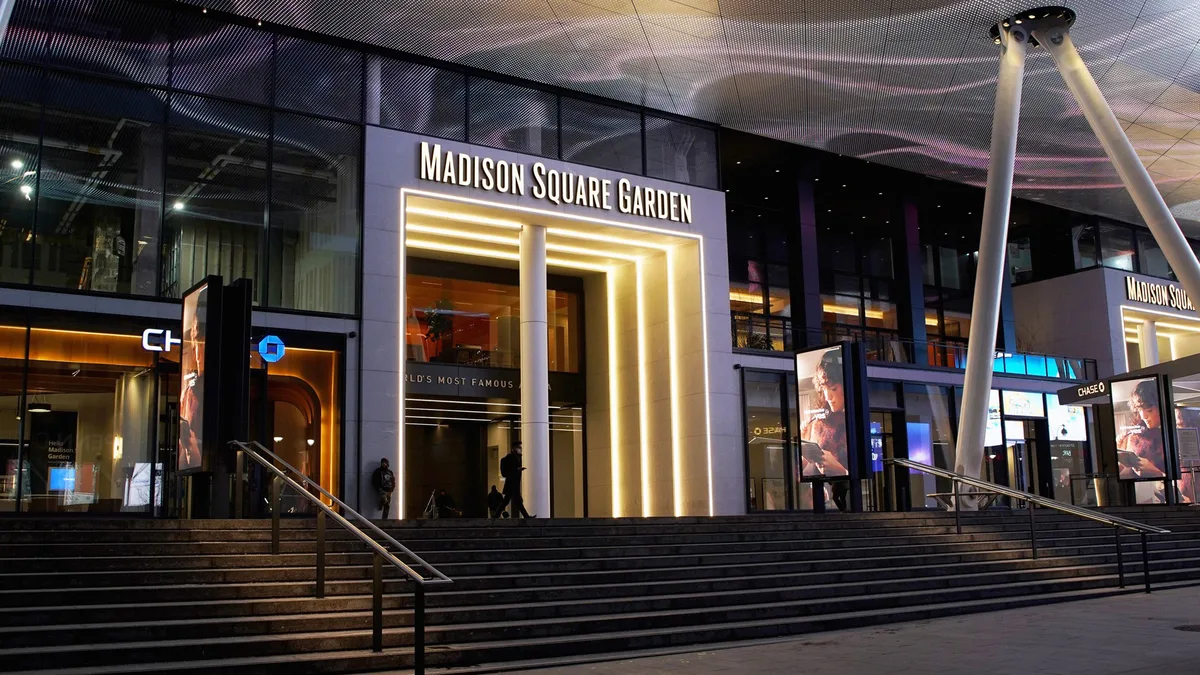
A facial recognition ban is a legislative effort to prohibit private venues from using biometric identification technology to track, screen, or deny entry to attendees. In New York City, this movement—often referred to as 'Ban the Scan'—aims to curb the use of high-tech surveillance in spaces like Madison Square Garden (MSG) and other public-facing arenas. The proposed legislation seeks to protect individual privacy by stopping businesses from cataloging the physical identity of visitors without explicit, informed consent.
Lawmakers are pushing to ban facial recognition at venues like Madison Square Garden because the technology is being used to proactively track and exclude individuals based on private disputes or arbitrary risk scores. City Council member Shahana Hanif introduced legislation to stop public venues from using biometric systems after reports revealed that MSG security used facial recognition to identify and remove lawyers involved in litigation against the venue's owner, James Dolan (Wired, 2023). This practice extends beyond security screening, as reports indicate the venue maintains databases that include the race and sexual orientation of VIP attendees (Wired, 2023).
Facial recognition in private venues functions by comparing a live video feed of attendees against a pre-existing database of 'banned' or 'risk-scored' individuals. When a guest enters the building, cameras capture their biometric data, which is then processed by AI software to match the guest's face to a profile in the venue’s internal system. If a match occurs, security personnel receive an alert, allowing them to intercept the person before they can reach their seat or purchase concessions. This process happens in milliseconds, often without the attendee's knowledge or explicit agreement to have their biometric data harvested for tracking purposes.
Keep exploring
More from GroundworkThe primary privacy risk of biometric data collection is the permanent nature of the data and the potential for misuse by private entities. Unlike a password or a credit card number, you cannot change your face if your biometric data is leaked, hacked, or sold to third parties. Furthermore, the aggregation of physical movements—such as who you eat with, how long you stay in a specific area, and where you sit—creates a detailed, intrusive dossier that can be used for purposes unrelated to venue security. Advocates argue that this level of surveillance chills free expression and creates a 'surveillance state' within public-facing entertainment hubs (Wired, 2023).
The 'Ban the Scan' bill has gained significant momentum in the New York City Council, currently holding 27 endorsements, which represents more than half of the legislative body. Supporters, including digital rights groups like Fight for the Future, argue that the technology is marketed as a safety tool but often serves as a mechanism for discriminatory exclusion. While MSG maintains that its technology usage is a modern version of human recognition, proponents of the bill are actively working with Council leadership to move the legislation toward a floor vote. If passed, it would set a major legal precedent for how private businesses in major metropolitan areas can utilize biometric tracking.
While legislation remains pending, you can take steps to protect your personal data in public spaces. First, review the terms of service for any venue you visit, as these often contain disclosures regarding data collection. Second, prioritize using physical tickets rather than digital apps that may track your location and identity. Finally, support local privacy advocacy groups that push for transparency in how biometric data is stored, shared, and deleted by private corporations. If you feel your biometric data has been misused, consider filing a complaint with the New York City Department of Consumer and Worker Protection.