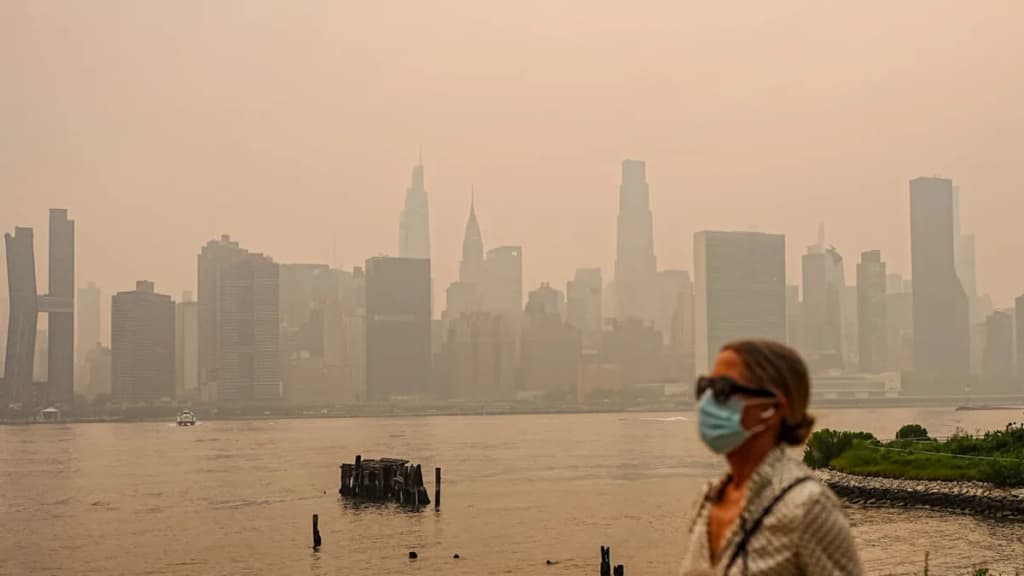
Wildfire smoke is a form of air pollution consisting of fine particulate matter (PM2.5) that originates from burning vegetation and structures. Research indicates that exposure to this smoke during pregnancy is now a leading environmental threat, potentially surpassing the risks posed by industrial and vehicular emissions in many regions.
Since the enactment of the Clean Air Act in 1970, the United States has achieved a nearly 80 percent reduction in common industrial and vehicular pollutants, according to data from the Environmental Protection Agency (EPA). Despite these regulatory successes, the rise in wildfire frequency and intensity—driven by climate change—has effectively neutralized some of these gains in air quality. Recent studies suggest that the chemical composition of wildfire smoke may pose unique, heightened risks to fetal development compared to traditional urban smog.
Wildfire smoke is more harmful than standard industrial pollution because it contains a complex mixture of fine particulate matter (PM2.5) and toxic gases that are more potent at lower concentrations. While industrial emissions are often predictable and localized, wildfire smoke is volatile, often reaching higher peak concentrations that can overwhelm the body’s natural defenses.
Research published in the journal Nature indicates that the fine particles found in wildfire smoke are small enough to enter the bloodstream and cross the placental barrier. Once these particles reach the fetal environment, they can trigger systemic inflammation. Unlike standard vehicular exhaust, which has been studied extensively for decades, the long-term biological impacts of the specific chemical compounds released during the combustion of diverse materials in wildfires—including plastics and household chemicals in the wildland-urban interface—are still being mapped by researchers.
Exposure to wildfire smoke during pregnancy is linked to an increased risk of adverse birth outcomes, including low birth weight, preterm birth, and impaired fetal growth. These outcomes occur because the mother’s respiratory system undergoes significant stress, which can reduce the oxygen efficiency of the placenta and subject the fetus to inflammatory markers.
Data from a study published in The Lancet Planetary Health suggests that pregnant individuals exposed to higher levels of PM2.5 during the second and third trimesters show a statistically significant correlation with shorter gestational periods. Furthermore, the physiological stress caused by persistent inhalation of smoke can lead to oxidative stress, a condition where the body’s antioxidant defenses are overwhelmed by free radicals. This process is documented as a primary driver in the disruption of healthy fetal organ development.
Keep exploring
More from GroundworkTo protect yourself and your pregnancy during wildfire events, prioritize indoor air quality by using HEPA-grade air purifiers and maintaining a sealed home environment. When air quality indices (AQI) reach unhealthy levels, limit all outdoor activity and utilize N95 or P100 masks if you must be outdoors, as these are the only masks effective at filtering fine particulate matter.
Follow these steps to minimize exposure:
- Monitor local AQI levels daily using government resources like AirNow.gov.
- Designate a "clean room" in your home—ideally a bedroom with no fireplace—and equip it with a high-efficiency particulate air (HEPA) filter.
- Keep windows and doors closed during high-smoke events to prevent infiltration of fine particles.
- Avoid strenuous physical activity outdoors, which increases your breathing rate and the volume of smoke inhaled.
- Consult your healthcare provider about early screening if you live in a high-risk area and have experienced prolonged smoke exposure.
While both urban pollution and wildfire smoke contain harmful particulates, wildfire smoke is often more chemically diverse and intense. Urban pollution from cars and factories is typically consistent, allowing for long-term monitoring and predictable management. Conversely, wildfire smoke events are acute, unpredictable, and can increase the concentration of PM2.5 in a specific area by several orders of magnitude in a matter of hours.
Studies comparing the two suggest that the health impacts of wildfire smoke are often more severe in the short term. Because the smoke travels over long distances, even communities far from the actual fire front can experience significant health degradation. If you live in an area prone to seasonal fires, the unpredictable nature of these events requires a proactive rather than reactive approach to respiratory protection.
As climate change continues to increase the frequency and duration of wildfire seasons, the baseline for "clean air" is shifting. Expect more frequent "Code Red" or "Code Purple" air quality days, even in regions previously considered safe. For pregnant individuals, this means that air quality monitoring must become a standard part of prenatal health management.
Public health experts emphasize that environmental health is a critical component of maternal care. If you are pregnant or planning to be, it is vital to discuss air quality concerns with your obstetrician. Being aware of the local fire season and having an emergency plan in place can significantly reduce your cumulative exposure to these toxic pollutants.