The Strait of Hormuz is a vital maritime chokepoint connecting the Persian Gulf to the Gulf of Oman, serving as the world’s most important oil transit route. When geopolitical tensions between the United States and Iran escalate in this region, global energy supplies face immediate disruption, leading to heightened market volatility and potential long-term price adjustments for consumers.
Approximately 20% of the world’s total petroleum consumption passes through the Strait of Hormuz daily, according to the U.S. Energy Information Administration (EIA). Any obstruction or credible threat to this passage forces a reevaluation of energy security and global shipping logistics.
The Strait of Hormuz is a critical artery for global commerce, and its closure directly influences the price of crude oil, which serves as a benchmark for fuel and transportation costs globally. When the U.S. and Iran engage in military exchanges, energy markets react sharply to the uncertainty surrounding supply chain stability.
Historical data shows that supply shocks in the Persian Gulf historically correlate with rapid spikes in West Texas Intermediate (WTI) and Brent crude oil futures. Because oil prices are a significant component of manufacturing and shipping costs, sustained instability in this region typically translates into higher prices at the pump and increased costs for consumer goods. If the current dispute leads to a prolonged closure, businesses may pass these increased logistics costs to you, effectively acting as an inflationary pressure on your household budget.
Military actions, such as the recent exchange of missile and drone strikes between U.S. and Iranian forces, create an immediate 'risk premium' on oil prices. Markets prioritize stability, and the threat of damage to commercial tankers—such as the incident involving the M/V GFS Galaxy—triggers automated sell-offs or buy-ups that drive price volatility.
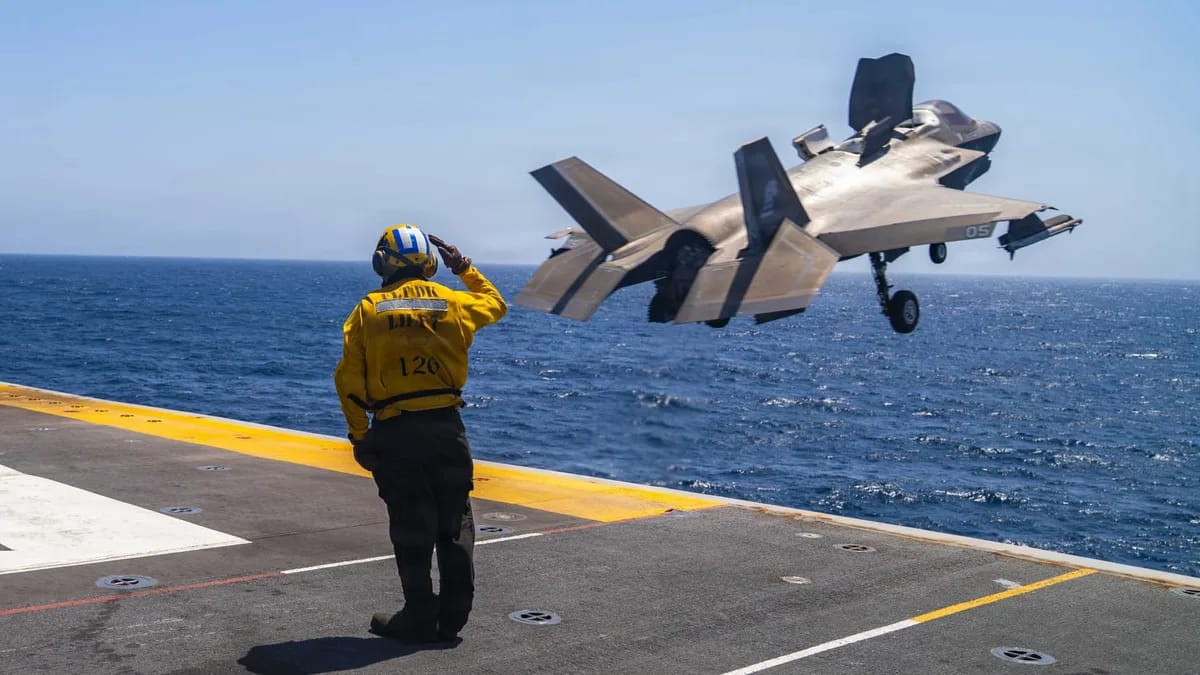
Investors often flock to 'safe-haven' assets during these periods. If you are monitoring your investment portfolio, you may notice increased movement in energy stocks and precious metals. When the U.S. Central Command (Centcom) reports strikes on Iranian coastal radar or missile capabilities, the market's primary concern is whether the supply of oil will be physically halted. The use of new military technology, such as the one-way attack sea drones recently deployed by the U.S., adds a layer of unpredictability to how these conflicts may play out in the future.
Keep exploring
More from GroundworkA blockade of the Strait of Hormuz represents a 'worst-case' scenario for global energy markets because there are very few alternative routes for crude oil export from the Persian Gulf. While some nations have pipelines that bypass the strait, these have limited capacity and cannot compensate for the millions of barrels that transit the waterway daily.
- Price Volatility: Oil prices often spike immediately upon news of a blockade, as traders bet on reduced supply.
- Logistics Costs: Shipping firms may increase insurance premiums for vessels operating in the region, or reroute ships entirely, adding weeks to transit times.
- Inflationary Pressure: As transportation costs rise, the cost of importing goods increases, which can lead to higher prices for everything from electronics to groceries.
- Energy Policy Shifts: Governments may tap into Strategic Petroleum Reserves (SPR) to stabilize prices, a move that often signals the gravity of the situation.
When geopolitical tensions rise, the best strategy is to avoid reactive trading and maintain a long-term perspective on your financial goals. Panic-selling assets in response to news headlines is rarely an effective strategy; instead, ensure your portfolio is diversified enough to withstand sector-specific shocks.
If you are heavily invested in energy-dependent industries, review your exposure to companies with high shipping costs or limited pricing power. Diversification across sectors—such as technology, healthcare, and consumer staples—can help buffer the impact of energy-driven inflation. Additionally, ensure you have an adequate emergency fund, as sudden increases in utility and fuel costs can strain your monthly cash flow.
The status of the Strait of Hormuz remains a point of intense contention, with conflicting reports from Tehran and Washington. While Iranian officials have declared the waterway closed to traffic, U.S. leadership maintains that the route remains open for commercial transit. This discrepancy creates a 'gray zone' where commercial shippers must decide whether to continue operations based on their own risk assessment.
For the average consumer, this means the situation is fluid. Monitoring official updates from the U.S. Department of State or recognized international maritime security agencies is more reliable than reacting to conflicting claims from state-affiliated media outlets. You should expect continued market sensitivity until a formal, verified memorandum of understanding is fully implemented and honored by all parties involved in the dispute.