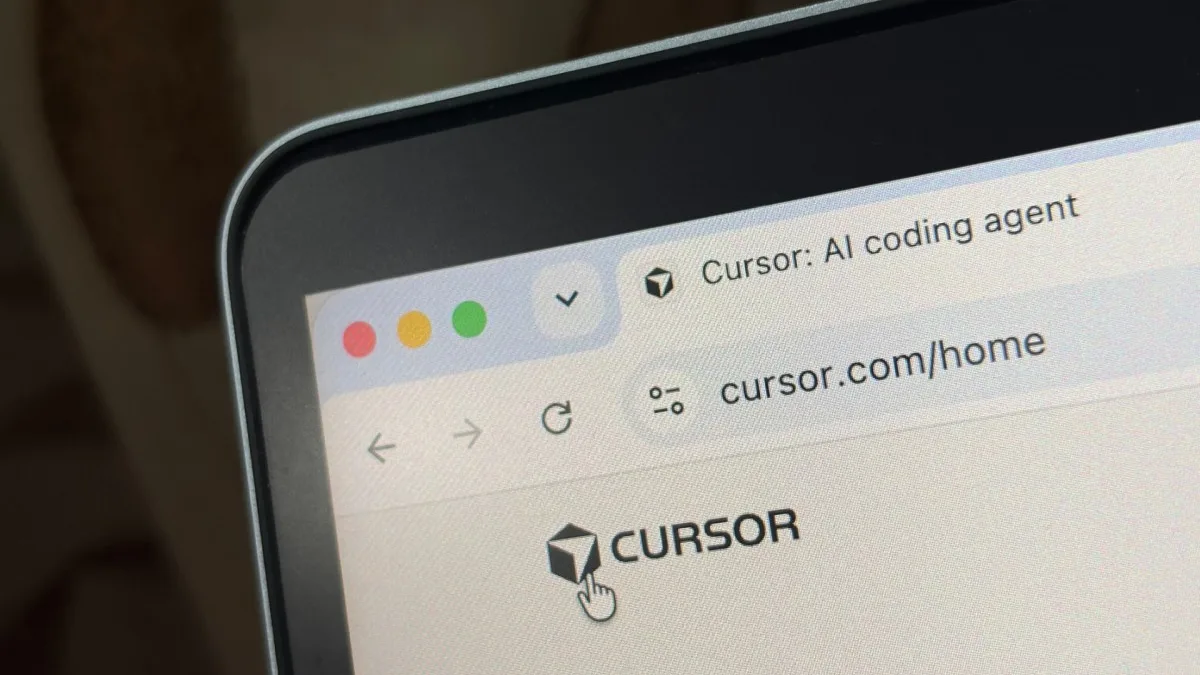
A corporate acquisition occurs when one company purchases most or all of another company's shares to gain control of that entity. The acquisition of Cursor, an AI-powered code editor startup, by SpaceX represents a strategic consolidation of software development tools and high-performance computing infrastructure. As of August 2026, Cursor is officially a wholly-owned subsidiary of SpaceX, marking a significant shift in how AI-driven development environments will be integrated into large-scale aerospace and computing operations.
SpaceX acquired Cursor primarily to secure direct access to proprietary software development workflows and to leverage its own massive GPU fleet for AI model training and deployment. By bringing Cursor in-house, SpaceX aims to accelerate the development of complex aerospace software by utilizing AI-assisted coding tools that are tightly integrated with its internal computing architecture. This move allows the company to bypass third-party software dependencies while optimizing its coding environment for the specific, high-stakes requirements of rocket engineering and satellite operations.
According to official statements, Cursor provides the interface through which SpaceX intends to "scale intelligence" using its vast GPU resources. This integration is designed to turn raw computing power into practical, actionable software engineering outcomes. For SpaceX, the value lies not just in the code editor itself, but in the ability to dictate the future of development environments that are optimized for massive, distributed computing loads.
The integration of Cursor into SpaceX marks a trend toward vertical integration in the AI industry, where companies that own the hardware (GPUs and data centers) also acquire the software layers that run on top of that hardware. Historically, development tools like Cursor have operated as independent platforms, but this acquisition signals a shift where software tooling is becoming a strategic asset for hardware-heavy tech conglomerates.
Data indicates that SpaceX is positioning itself as a major player in the computing-as-a-service market, renting out its infrastructure to major tech firms like Google and Anthropic (TechCrunch, 2026). By controlling the development environment via Cursor, SpaceX effectively ensures that its platform remains the most efficient place to build, test, and deploy AI models that require high-performance, GPU-intensive training. Developers who rely on Cursor may now find their workflows increasingly aligned with the hardware priorities of the SpaceX ecosystem.
Keep exploring
More from GroundworkIntegrating a software-focused startup into a hardware-focused aerospace giant presents significant operational and regulatory risks. SpaceX currently faces scrutiny regarding the environmental impact of its data center operations, specifically the use of gas turbines to power its computing facilities. The acquisition of Cursor increases the company's reliance on these facilities, potentially inviting further environmental and legal oversight from regulators.
Furthermore, the consolidation of AI tools under the ownership of a single corporate entity like SpaceX raises questions about platform neutrality. If Cursor becomes exclusively optimized for SpaceX infrastructure, the broader developer community may face "vendor lock-in," where transitioning to other computing environments becomes prohibitively expensive or technically difficult. Users of Cursor must now evaluate whether their software projects are compatible with the long-term roadmap of an aerospace company rather than a software-focused startup.
If you are a developer currently using Cursor, the transition to SpaceX ownership requires a reassessment of your long-term software stack. First, evaluate your dependency on the tool: determine if your project relies on specific AI-assisted features that are unique to Cursor. Second, monitor updates regarding data privacy and infrastructure requirements. If the platform begins requiring specific cloud configurations or data handling protocols associated with SpaceX’s data centers, ensure your project’s security requirements remain met.
Third, diversify your development environment. Relying on a single proprietary tool that is now owned by a company with shifting strategic priorities can create technical debt. Keep a secondary development environment configured and ready to ensure your workflow is not disrupted by sudden changes in Cursor’s pricing, access, or feature sets. Finally, keep an eye on open-source alternatives. In the wake of major acquisitions, open-source projects often see a surge in development as users seek to avoid the risks associated with corporate-owned proprietary software.
The acquisition of Cursor is a case study in modern vertical integration. By owning both the compute (the GPUs) and the application layer (the AI coding tools), SpaceX is attempting to create a closed-loop system where hardware performance and software efficiency are locked in a symbiotic relationship. While this increases the speed at which the company can develop, it also centralizes significant power within a single corporate entity. For the individual developer, this highlights the necessity of understanding the corporate backing of the tools they use daily. As the AI sector continues to consolidate, the ability to pivot between development platforms will be a critical skill for maintaining professional independence and project longevity.