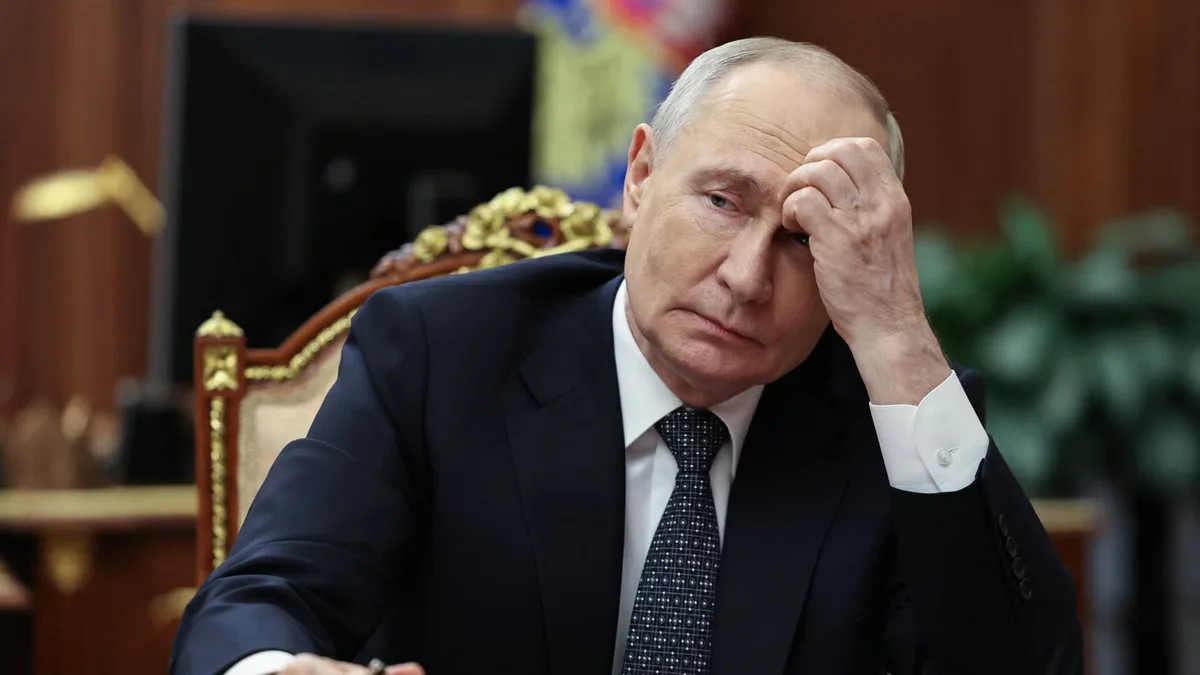
A wartime economy is a state of production where a nation shifts its industrial capacity and financial resources primarily toward military output, often at the expense of civilian consumption and long-term infrastructure. While Russia’s headline GDP figures have shown unexpected growth, the underlying reality is a bifurcated system where military-industrial sectors thrive while the broader civilian economy faces significant, mounting pressures.
Recent data indicates that Russia’s GDP grew by 1.3% year-on-year in the second quarter of 2026, a figure that exceeded official government and central bank projections (CNBC, 2026). However, analysts argue this growth is heavily concentrated in defense-related sectors, masking deep structural imbalances that threaten long-term stability.
A two-tier economy occurs when specific industries—in this case, defense and tank production—experience rapid growth due to state subsidies, while the civilian sector suffers from stagnant investment and high inflation. This divide creates a stark contrast between workers in the military-industrial complex and those in the general labor market.
If you are employed in sectors tied to the war effort, you may see rising wages and job security driven by government spending. Conversely, those in the service or retail sectors face high interest rates and the rising cost of living. According to the Eurasia Group, this reliance on military spending, combined with subsidized bank lending, creates an artificial environment that is increasingly difficult for the Kremlin to sustain without further taxing the civilian population (CNBC, 2026).
Economic stress in Russia is currently driven by three primary factors: persistent inflation, high interest rates, and the impact of long-range drone attacks on critical energy infrastructure. These factors reduce the purchasing power of the average household and force a shift toward lower-quality, store-brand consumer goods.
Keep exploring
More from Groundwork
- Inflationary pressure: The massive influx of state cash into the defense sector increases the money supply, which naturally fuels inflation, making daily life more expensive for everyday citizens.
- Infrastructure vulnerability: Recent Ukrainian drone strikes on oil refineries and storage facilities have disrupted revenue streams that the state relies on to fund its operations (CNBC, 2026).
- Financial tightening: The central bank has been forced to maintain high interest rates to combat inflation, which makes borrowing for non-military business expansion prohibitively expensive, effectively stifling private sector growth.
Economic hardship does not automatically equate to a cessation of conflict. In fact, many geopolitical analysts suggest that a deteriorating economy might incentivize leadership to escalate military efforts to secure a resolution on their own terms before financial resources are fully depleted.
Historically, autocracies with controlled media environments can absorb significant economic pain for longer periods than democratic systems. Relying on 'bookkeeping acrobatics'—such as reallocating state reserve funds or adjusting tax policies—allows the state to postpone a total economic reckoning. Expecting economic collapse to force an immediate end to the war overlooks the state's capacity to squeeze its civilian population to prioritize military objectives (CNBC, 2026).
To understand the future trajectory of the Russian economy, monitor shifts in the following key metrics:
- Real household income: Watch for sustained declines in purchasing power, which indicate that the civilian economy is failing to keep pace with inflation.
- Defense spending as a percentage of GDP: A continued increase in this ratio suggests the state is cannibalizing other sectors to maintain military momentum.
- Energy export capacity: The ability of the state to bypass sanctions and maintain oil/gas revenue is the primary variable keeping the current system afloat.
If you are analyzing these trends for investment or risk assessment, prioritize data that tracks non-military industrial output, as this is the most accurate barometer of the country’s long-term economic health.