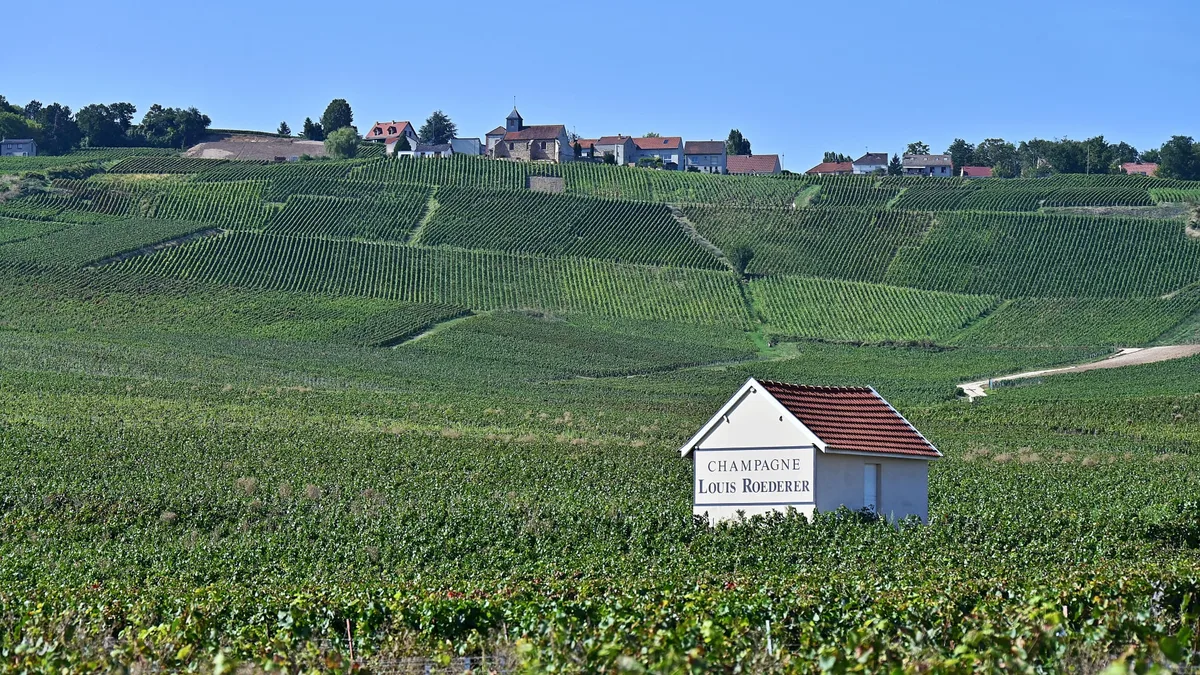
A champagne harvest is the annual period when grapes are collected in the Champagne region of France to produce the world-renowned sparkling wine. Recent record-breaking summer temperatures have forced this harvest to begin significantly earlier, threatening the delicate balance of acidity and sugar that defines the product’s signature flavor profile.
According to data from the Comité Champagne, the official trade organization for the region, harvesting windows have shifted by nearly two weeks compared to historical norms. Before the early 2000s, picking typically occurred in September or October. Today, it frequently begins in mid-August (CNBC, 2026).
The primary driver of the earlier harvest is the acceleration of the grape-ripening process caused by hotter spring and summer temperatures. As the climate warms, grapes accumulate sugar more rapidly. For winemakers, this creates a narrow window for harvesting because they must pick the fruit before sugar levels become too high, which would compromise the wine's characteristic freshness and low-alcohol structure.
Winemakers aim for a slow maturation process to ensure "phenolic ripeness," where tannins and other compounds reach maturity without excessive sugar buildup. When the growing season is compressed by extreme heat, this slow development is impossible, forcing producers to balance the risk of harvesting under-ripe fruit against the risk of over-sugared grapes that lose the signature "tautness" of traditional champagne (Wine & Climate Change Institute, 2026).
Champagne is defined by its high acidity, low sugar content, and finesse. When grapes ripen too quickly due to heat, the acidity levels drop while sugar levels spike. This shift threatens the identity of the wine, as high acidity is the backbone of champagne's crispness and aging potential.
Keep exploring
More from GroundworkWhile red wine producers can sometimes mask higher alcohol content resulting from sugar-heavy grapes, champagne producers have fewer options. The delicate, effervescent nature of the drink makes it difficult to adjust for high-sugar harvests without fundamentally altering the final product. Experts note that preserving the elegance of the drink requires precise timing, which is becoming increasingly difficult to predict as weather patterns become more volatile.
Beyond the heat-induced timing shifts, the Champagne region faces a trifecta of environmental pressures that influence yields: drought, frost, and extreme weather events. Spring hailstorms and late-season frosts have frequently wiped out buds before they could fully develop, leading to lower total crop yields.
These environmental stressors are compounded by broader market challenges. Winemakers are currently managing:
- Reduced consumer demand for alcoholic beverages globally.
- Increased labor and fuel costs associated with harvest management.
- Potential trade barriers, such as U.S. tariffs, which affect the region's largest export market (CNBC, 2026).
To survive in a warming climate, producers are exploring several adaptation strategies. Some are experimenting with different grape varieties that are more heat-tolerant, while others are adjusting pruning techniques to protect grapes from direct sunlight. Additionally, the industry is increasingly focused on sustainable land management to retain moisture in the soil, mitigating the impacts of prolonged drought.
While some European winemakers are looking to new regions—such as parts of the U.K. with chalky soil—as viable alternatives, the core Champagne region remains committed to maintaining its historical standards. The future of the industry depends on its ability to innovate within the strict legal and geographical constraints that define champagne production.