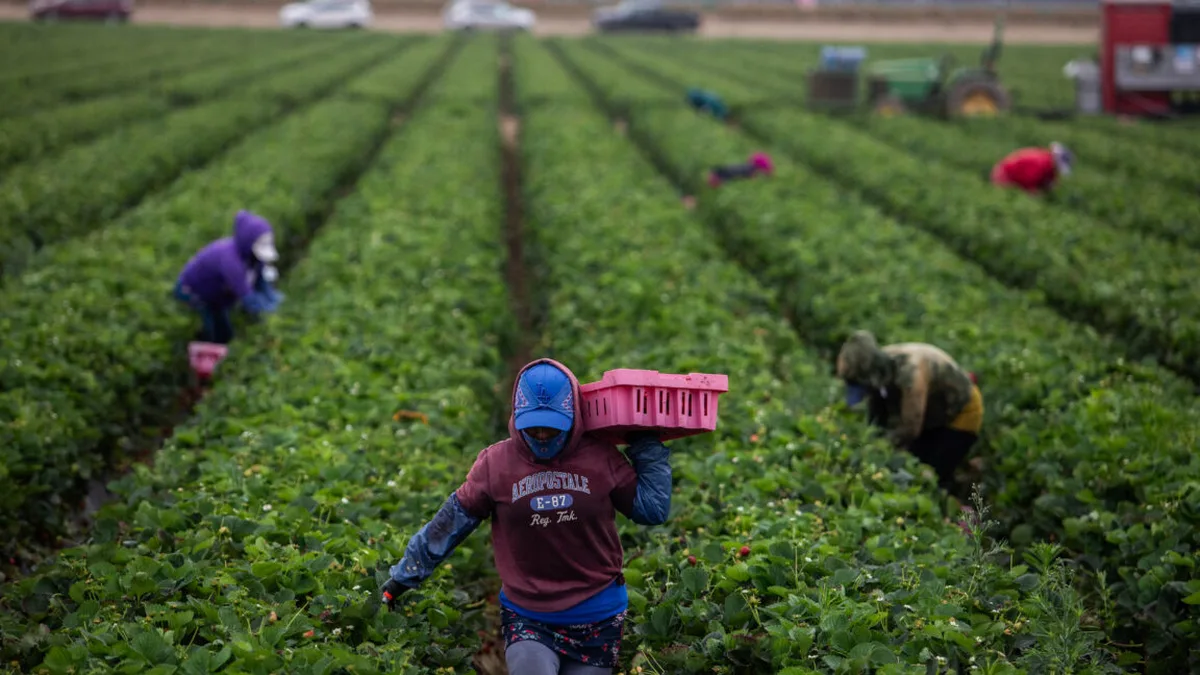
Pesticide exposure is the process by which chemical agents used in agriculture enter the human body through inhalation, ingestion, or dermal absorption. When paired with extreme heat, these chemical risks become significantly more dangerous due to physiological stress, increased chemical volatility, and the limitations of standard protective gear.
At Groundwork, our analysis shows that the intersection of rising global temperatures and agricultural chemical use creates a compounding health hazard. Research indicates that heat-related physiological stress fundamentally alters how the human body processes and reacts to toxic substances, making current safety standards increasingly insufficient for the 2.4 million farmworkers operating in the United States.
How does heat exacerbate pesticide toxicity in the body?
Heat exposure significantly increases the body's vulnerability to pesticides by accelerating systemic absorption and impairing natural detoxification pathways. When a worker is exposed to high ambient temperatures, the body experiences vasodilation—the widening of blood vessels—which increases blood flow to the skin and promotes sweat production. This physiological response inadvertently facilitates the dermal absorption of chemical residues present on crops or in the air.
Furthermore, sweating increases the permeability of the skin barrier, allowing toxic compounds to enter the bloodstream more efficiently. Research published in the journal Environmental Health Perspectives suggests that once these chemicals enter the body, heat-stressed organs, particularly the liver and kidneys, may struggle to metabolize and excrete toxins at normal rates, leading to higher internal concentrations and prolonged systemic impact.
Hotter temperatures lead to higher rates of pesticide volatility, causing chemicals to transition from liquid or solid states into airborne vapors more rapidly. This process, known as volatilization, increases the likelihood that workers will inhale toxic compounds even when they are not in direct contact with treated surfaces. Once in the air, these chemicals can drift across wider areas, extending the reach of exposure beyond the immediate application site.
At Groundwork, our synthesis of environmental data indicates that heat also triggers chemical transformations in certain pesticides, converting them into more potent or toxic derivatives. As temperatures climb, the degradation pathways of common organophosphates and pyrethroids can shift, potentially creating secondary compounds that pose greater risks to human health than the original substances. This chemical instability makes it difficult to predict safe re-entry intervals for fields following treatment.
Keep exploring
More from GroundworkPersonal protective equipment (PPE), such as long-sleeved shirts, chemical-resistant gloves, and respirators, is essential for minimizing direct contact with pesticides. However, in extreme heat, this gear creates a significant thermal burden by trapping body heat and preventing the evaporation of sweat. This leads to rapid dehydration and heat-related illnesses, such as heat exhaustion and heat stroke, which can mimic or exacerbate the symptoms of acute pesticide poisoning.
When a worker wears heavy protective gear to avoid chemical burns or dermal absorption, they are forced to choose between two immediate health risks: the risk of pesticide exposure or the risk of thermal collapse. Groundwork’s review of occupational health studies shows that the mental and physical fatigue caused by heat stress also impairs a worker's ability to follow complex safety protocols, such as proper equipment removal or decontamination, increasing the likelihood of accidental exposure.
Chronic exposure to pesticides, amplified by seasonal heat stress, is linked to a range of long-term health consequences, including neurological disorders, respiratory issues, and increased risk of certain cancers. The cumulative nature of these exposures means that the damage may not be immediately apparent, often manifesting over years or decades of field work.
Empirical research highlights that the biological impact of these exposures is not uniform. Vulnerable populations, including older workers and those with pre-existing cardiovascular conditions, face a higher risk of adverse outcomes when their internal cooling mechanisms are compromised by heat. Because climate change is projected to increase the frequency and intensity of heatwaves, the window of time during which agricultural work can be performed safely is shrinking, forcing more workers into higher-risk, high-heat environments.
To address these risks, agricultural safety frameworks must evolve to incorporate dynamic, heat-responsive protocols. This includes mandatory heat-safety training that specifically addresses the interaction between chemical exposure and physiological stress. Employers should shift toward "cool-hour" scheduling, where high-risk tasks are performed during early morning or evening hours to avoid peak daily temperatures.
Additionally, there is a critical need for more robust air quality monitoring in agricultural zones. Current regulations often rely on static safety intervals that do not account for daily temperature fluctuations. By integrating real-time environmental sensors and biological monitoring, the agricultural industry can better protect the workforce from the compounding effects of climate change and chemical use. Protecting farmworkers requires acknowledging that heat is not merely a nuisance but a primary driver of chemical toxicity.