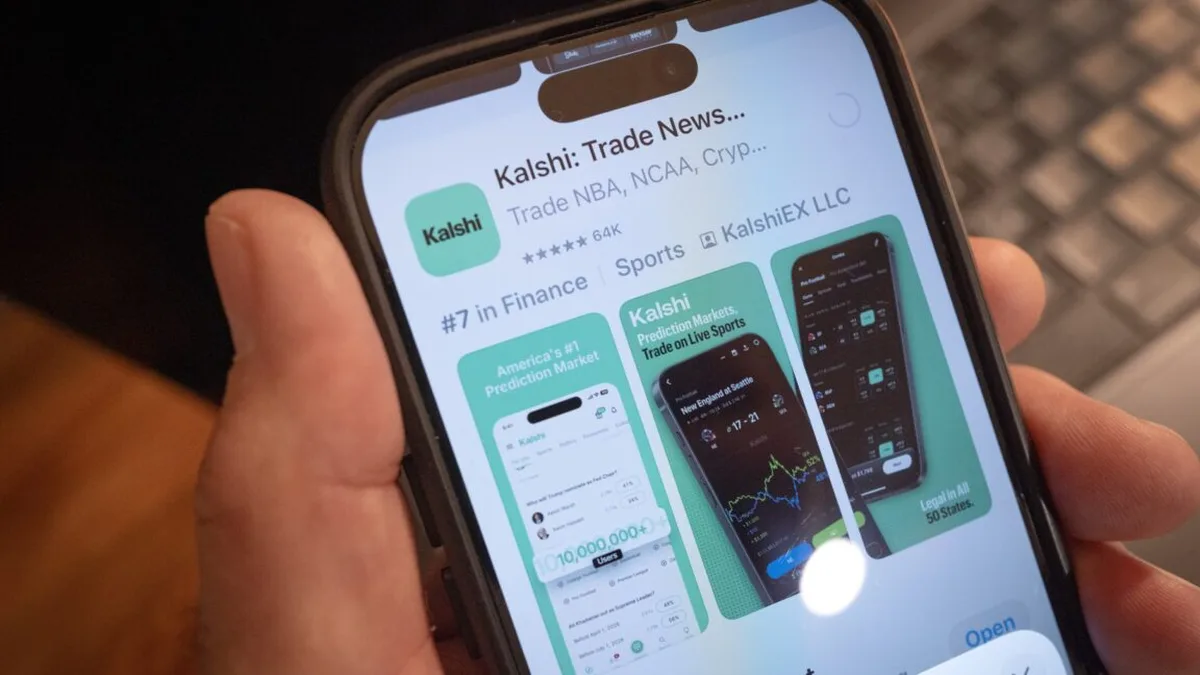
A prediction market is a trading platform where users buy and sell contracts based on the outcome of future events, such as election results or sports games. A recent ruling by a King County Superior Court judge has effectively barred the platform Kalshi from offering sports and event-based wagering services to residents of Washington state.
According to the Washington State Attorney General’s office, the court issued a preliminary injunction requiring Kalshi to cease all sports, political, and cultural wagering operations within the state because the company lacks the necessary gambling licenses (Washington Attorney General, 2026). This legal action highlights the growing friction between emerging financial technology platforms and state-level regulatory frameworks governing gambling and speculative trading.
The court ordered Kalshi to halt operations because the platform was facilitating wagers without holding a license from the Washington State Gambling Commission. Judge John McHale determined that Kalshi was not registered to conduct business in the state, making its services illegal under local statutes regarding unauthorized gambling activities.
Furthermore, the court found that Kalshi’s marketing materials were potentially deceptive. Advertisements claiming that the platform offered "legal betting" in Washington were deemed likely to mislead reasonable consumers into believing these activities were compliant with state law. Because the platform failed to distinguish between regulated financial derivatives and prohibited gambling, the state intervened to protect residents from unauthorized wagering products.
If you reside in Washington, the injunction requires Kalshi to implement strict geofencing measures to block your access to prohibited markets. By August 19, 2026, the company was required to utilize IP address and residency-based filtering to prevent Washington-based users from participating in sports or event-based wagers.
Keep exploring
More from GroundworkBy September 2, 2026, the court mandated a more robust, multi-source geofencing solution to ensure compliance. This means that if you attempt to access these specific markets from within the state, you will likely encounter technical blocks or service restrictions. While the platform may still offer other financial products not classified as gambling, the specific categories of sports, politics, entertainment, and science wagers are now off-limits to Washington users.
The legal status of prediction markets remains a gray area that depends heavily on how a platform structures its contracts and how individual states interpret their own gaming laws. While platforms often market themselves as financial tools for hedging risk, state regulators frequently view the underlying mechanics—where users profit from guessing future outcomes—as a form of betting.
In Washington, the court’s decision underscores a strict interpretation: if a platform allows you to place money on the outcome of an event like an election or a sports game, it must be licensed as a gambling entity. This distinction is critical because gambling regulations are significantly more restrictive than those governing standard financial exchanges. If you use similar platforms, it is important to verify whether they hold the appropriate licenses in your specific jurisdiction.
If you are a resident of a state where a platform has been ordered to cease operations, you should prioritize the security of your assets. First, log into your account to check for any official notifications regarding the platform's compliance status in your region. Platforms typically provide a window of time for users to withdraw funds before access is fully restricted.
Second, if you are unable to withdraw your funds or have questions about your account status, contact the platform’s customer support immediately to request a formal withdrawal process. Third, monitor your state’s Attorney General website or the relevant regulatory body, such as a state gambling commission, for updates on how to report issues or recover funds if a company fails to comply with legal closure orders. Always keep documentation of your account balance and transaction history in case of a dispute.