The Strait of Hormuz is a narrow, vital maritime chokepoint connecting the Persian Gulf to the Gulf of Oman, serving as the world’s most important oil transit artery. Recent escalations, including territorial claims by U.S. leadership and reports of commercial vessels being struck by projectiles, have heightened risks for global energy markets and international shipping lanes.
The Strait of Hormuz is a critical maritime passage through which approximately 20% of the world's total petroleum consumption passes daily, according to the U.S. Energy Information Administration. Because of its narrow width—at its narrowest point, the shipping lanes are only two miles wide in either direction—the strait is highly susceptible to disruption. Any military activity or blockade in this region creates immediate volatility in global energy prices, as insurance premiums for commercial vessels skyrocket and supply chains face potential bottlenecks.
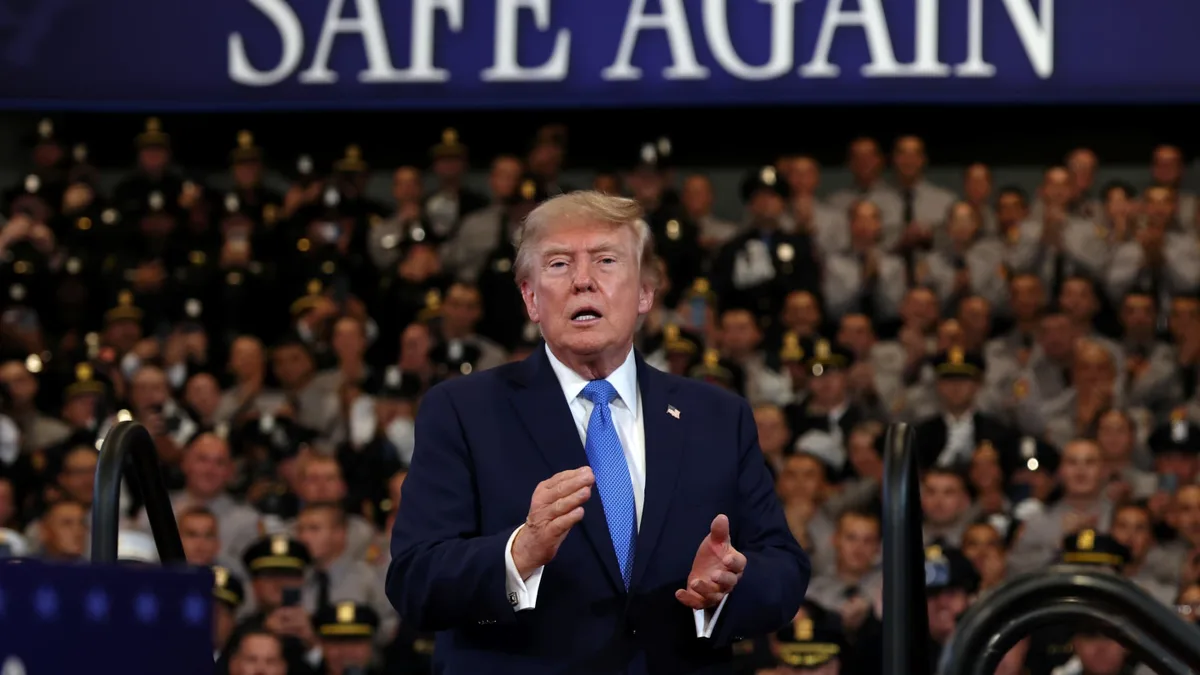
Recent rhetoric regarding the status of the Strait of Hormuz has intensified, with U.S. President Donald Trump suggesting the waterway could be declared U.S. territory following a potential victory in the ongoing conflict. Iranian officials have firmly rejected these claims, asserting that the strait remains under Iranian sovereignty. According to a statement from Iran's Deputy Foreign Minister Kazem Gharibabadi, the strait remains under Iranian command and cannot be seized through political declarations or military posturing. This standoff highlights the deep diplomatic rift between Washington and Tehran, where no formal negotiations are currently taking place, according to Iranian Foreign Minister Seyed Abbas Araghchi.
Keep exploring
More from GroundworkThe United Kingdom Maritime Trade Operations Centre (UKMTO) has confirmed reports of commercial vessels, such as bulk carriers, being struck by unknown projectiles while traversing the strait. These incidents are a direct result of the ongoing military engagement that began in February 2026. For businesses and investors, this creates a 'war risk' environment that complicates logistics for any company reliant on maritime transport in the Middle East. If you are tracking energy or shipping stocks, it is essential to recognize that this is not merely a temporary disruption but a sustained period of volatility defined by direct military strikes on commercial infrastructure.
Energy prices remain significantly elevated compared to pre-war baselines due to the blockade of Iranian ports and the general instability in the region. President Trump has signaled to the U.S. public that maintaining these policies may require tolerance for higher fuel costs. Because the U.S. and its allies are actively enforcing a blockade, the flow of oil is restricted, which exerts upward pressure on global crude benchmarks. For consumers, this translates to persistent inflationary pressure at the pump and in sectors dependent on logistics, such as manufacturing and retail.
- Monitor official maritime advisories: Follow updates from the UKMTO or the U.S. Maritime Administration (MARAD) to understand real-time threats to shipping routes.
- Diversify energy exposure: If your portfolio is heavily weighted toward oil-dependent sectors, consider hedging against energy price volatility.
- Analyze supply chain resilience: Evaluate the geographic footprint of your investments to determine how much exposure they have to Middle Eastern shipping lanes.
- Avoid reactionary trading: Geopolitical news cycles are often volatile; focus on long-term data regarding energy supply and demand rather than individual headlines regarding diplomatic rhetoric.