Future-proofing a home involves prioritizing structural integrity, utility capacity, and efficient water management over aesthetic trends. By focusing on systems that support long-term habitability and technological integration, you protect your property value and reduce the likelihood of emergency maintenance costs as your home ages.
At Groundwork, our analysis shows that the most effective home improvements are often invisible to guests but critical to the building’s lifecycle. While cosmetic renovations like kitchen backsplashes or paint colors may provide immediate satisfaction, they offer negligible protection against the physical and economic obsolescence of a property. Future-proofing requires a shift toward investments that solve fundamental problems—specifically water intrusion, electrical demand, and flexible space utilization.
Water damage is the single most common and costly threat to residential structural integrity. Future-proofing your home against moisture involves a comprehensive strategy to direct water away from the foundation, as persistent dampness leads to mold, rot, and foundation instability that can cost tens of thousands of dollars to remediate.
- Regrade your landscape: Ensure the soil around your foundation slopes away from the house at a minimum grade of 6 inches over the first 10 feet. This prevents pooling near the structural slab.
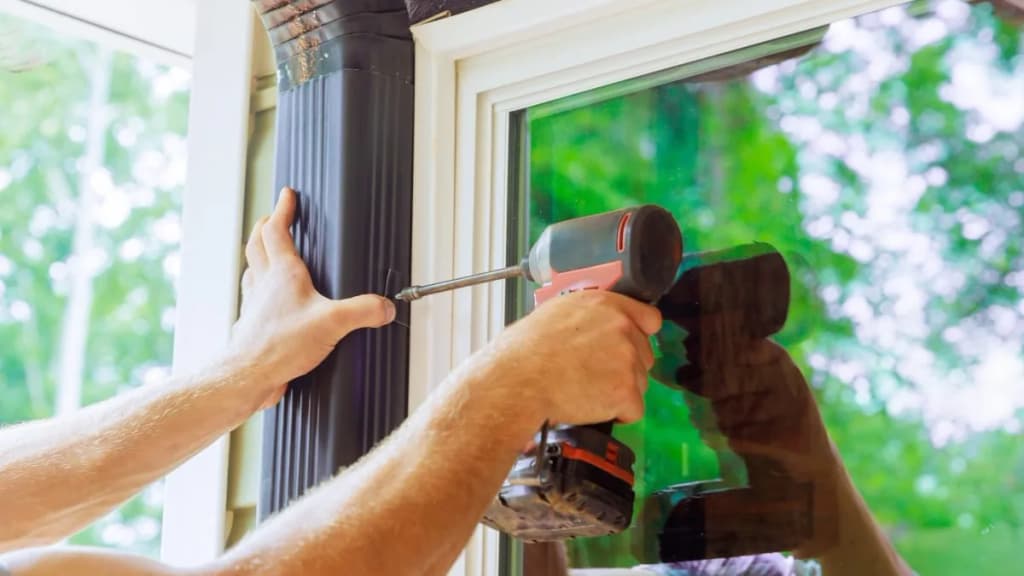
- Install and maintain gutter systems: Ensure gutters are clear of debris and that downspouts extend at least 6 to 10 feet away from the foundation perimeter to discharge water safely into the yard or drainage system.
- Inspect flashing and seals: Regularly check roof-to-wall intersections and window frames for gaps in flashing. Proper flashing acts as the primary barrier against water ingress, which is essential for protecting the building envelope (Source: International Association of Certified Home Inspectors).
An electrical panel upgrade is a foundational requirement for any home intending to support modern energy needs, such as electric vehicle (EV) charging, induction cooking, and high-efficiency heat pump HVAC systems. Many homes built before the 1990s rely on 100-amp service, which is frequently insufficient for the load requirements of contemporary electrification.
Upgrading to a 200-amp service panel is widely considered the industry standard for future-proofing. According to research from the National Electrical Manufacturers Association (NEMA), modern households are consuming significantly more power than in previous decades due to the proliferation of smart technology and the transition toward electric heating. If you intend to install a Level 2 EV charger, which typically requires a dedicated 40-50 amp circuit, a 100-amp panel will likely exceed its safe capacity, leading to frequent breaker trips or the need for expensive load-management controllers.
Keep exploring
More from GroundworkIncreasing the functional bedroom and bathroom count is the most reliable way to maintain long-term property value. Groundwork’s market analysis indicates that homes with a higher ratio of bedrooms and functional bathrooms consistently command higher price premiums because these features are non-negotiable for the largest segments of the buyer pool.
When planning layout changes, prioritize "flexibility." Rather than creating specialized rooms that serve only one purpose, focus on creating spaces that can adapt to changing life stages, such as a home office that can easily convert to a guest bedroom. Adding a full bathroom on the main floor or increasing the total bedroom count to at least three significantly broadens your potential buyer demographic if you decide to sell.
Transitioning to high-efficiency, electric-based HVAC systems, such as air-source heat pumps, is a dual-purpose upgrade that lowers monthly utility costs while preparing your home for a decarbonized energy future. Unlike traditional gas furnaces, modern heat pumps provide both heating and cooling in a single, highly efficient unit.
Efficiency ratings, such as SEER2 (Seasonal Energy Efficiency Ratio), provide a benchmark for how much energy a system consumes to provide a specific amount of cooling. Moving from an older, low-efficiency system to a modern unit with a high SEER2 rating can reduce annual heating and cooling costs by 20% to 40% (Source: U.S. Department of Energy). Furthermore, these systems often qualify for federal tax credits under the Inflation Reduction Act, which can offset a significant portion of the installation expense.
When selecting materials for repairs or renovations, prioritize "low-maintenance, high-durability" options. Future-proofing is as much about reducing your ongoing "labor tax" as it is about physical strength. For instance, replacing wood siding with fiber cement or composite materials eliminates the need for periodic painting and reduces the risk of insect damage and rot.
Similarly, when replacing flooring, opt for materials that withstand high traffic and moisture, such as luxury vinyl plank (LVP) or ceramic tile, rather than materials that require specialized upkeep. At Groundwork, our research into maintenance cycles suggests that homeowners who choose materials based on their 20-year lifecycle cost rather than their initial price point save an average of 15% in total ownership costs over two decades. Focus on components that do not require frequent chemical treatments, refinishing, or specialized cleaning, as these features will ensure your home remains functional and attractive with minimal intervention.