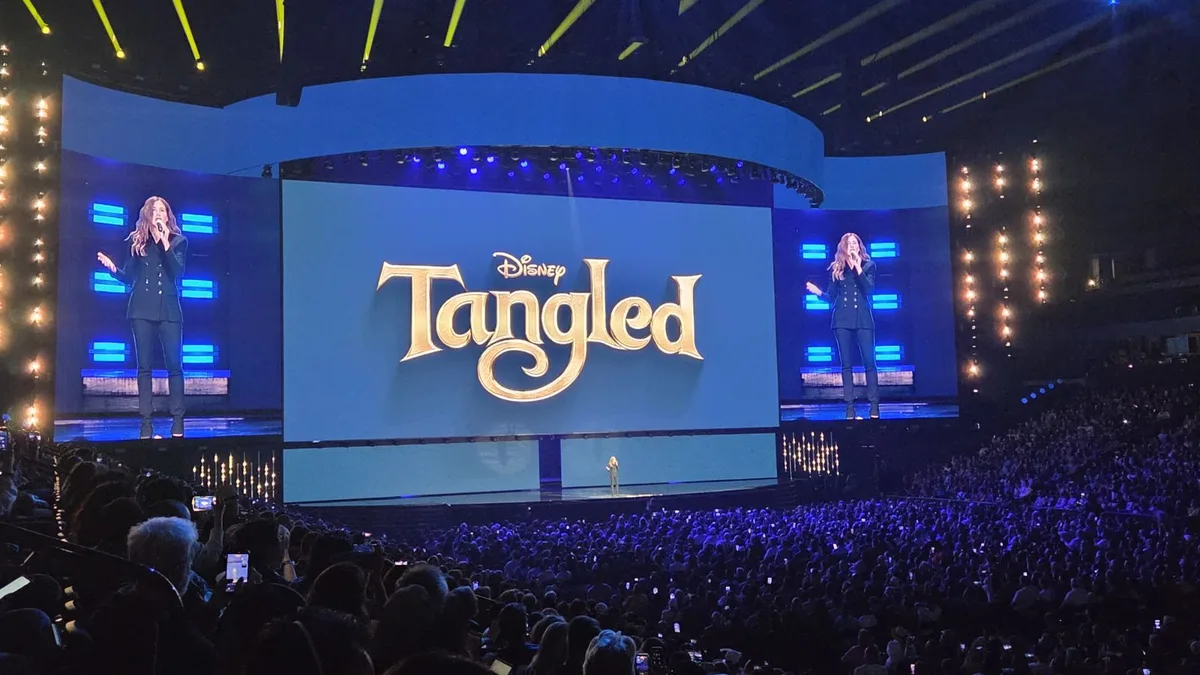
A Disney D23 announcement is an official disclosure of future film, television, and gaming projects produced by The Walt Disney Company and its subsidiaries. These events serve as a barometer for the company’s long-term content strategy, indicating how it plans to leverage its existing intellectual property to maintain subscriber retention and box office dominance through the end of the decade.
According to Disney’s fiscal reports, the company is shifting its strategy from aggressive volume-based content production to a focus on established franchises with high brand equity (Source: The Walt Disney Company Investor Relations). For the consumer, this means the next five years will be defined by sequels, live-action adaptations, and cross-platform integrations rather than a slate of original, unproven properties.
Disney’s reliance on third installments and sequels is a calculated response to shifting consumer habits and the rising cost of theatrical production. Franchises like Zootopia, Frozen, and The Incredibles provide a 'halo effect' that lowers marketing costs and increases the likelihood of high opening-weekend returns. Data shows that sequels of established animated films historically earn 20-30% more in global box office receipts than original animated properties, largely due to pre-existing brand loyalty (Source: Box Office Mojo).
When you see a slate dominated by Zootopia 3 or Frozen 3, you are observing a de-risking strategy. By investing in stories that already have a dedicated audience, Disney minimizes the risk of a 'box office bomb.' For the viewer, this ensures a level of quality and tone consistency, but it also suggests that original storytelling may be relegated to smaller-budget projects or international markets for the foreseeable future.
Disney is increasingly using D23 to bridge the gap between theatrical releases and Disney+ streaming content. The announcement of a Kingdom Hearts series following the game’s release, and the expansion of the Percy Jackson universe, indicates that Disney+ is no longer just a repository for old movies—it is a mandatory destination for fans of active franchises.
To maximize your subscription, you should treat Disney+ as a tiered ecosystem. You are paying for:
- Theatrical windows: Access to films shortly after their theatrical run ends.
- Franchise extensions: Exclusive series that flesh out the lore of the blockbuster films.
- Legacy vault: Access to the back catalog that drives the 'nostalgia economy.'
If you find yourself only watching one or two franchises, consider the 'seasonal subscription' model—subscribing for the months when your specific shows or films are released, rather than maintaining a year-round subscription (Source: Consumer Reports).
Keep exploring
More from GroundworkLive-action adaptations, such as the upcoming Tangled project, are designed to revitalize older intellectual property for a new generation. These productions often utilize the same visual language as the original animated versions, which helps Disney market the content to parents who grew up with the 2D films and children who are new to the franchise.
When evaluating these adaptations, it is helpful to distinguish between a 'remake' and a 'reimagining.'
- Remakes: These aim to replicate the original scene-for-scene. They are intended for brand preservation.
- Reimaginings: These use the original plot as a skeleton but change the tone or scope.
Evidence suggests that audiences respond better to adaptations that offer a clear narrative departure from the original, as it provides a reason to engage with the story a second time (Source: Variety/Entertainment Weekly Analysis). If you are a casual viewer, look for the director and screenwriter credits; those are the most accurate indicators of whether the film will be a faithful retread or a fresh take.
With major titles like Coco 2 (2029) and Bluey (2027) scheduled years in advance, tracking releases requires a proactive approach. Disney uses these long-term announcements to generate 'hype cycles' that keep their intellectual property relevant even during periods without new content.
To manage your household's entertainment budget and expectations:
- Create a watchlist: Use the 'Remind Me' or 'Watchlist' feature on the Disney+ app to track specific titles.
- Check theatrical windows: Remember that most major films have a 45-to-90-day theatrical window before they hit the streaming service. Do not pay for a cinema ticket if you are comfortable waiting three months.
- Monitor creative departures: As seen with the Bluey creator transition, a change in leadership often signals a shift in the tone or direction of a franchise. If a specific creative voice is why you enjoy a series, keep an eye on industry trade news when a new project is announced.
By understanding that these announcements are primarily marketing tools for shareholders, you can make more informed decisions about which content is worth your time and which is simply a product of a recurring revenue business model. Prioritize the franchises that offer genuine enjoyment to your household rather than feeling compelled to consume every release in a brand's expanding universe.