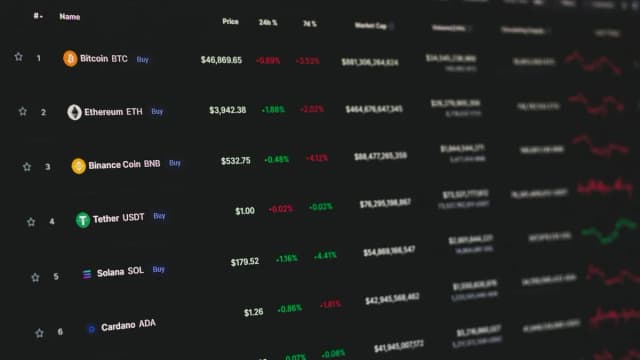
A crypto market outlook is an analytical assessment of the macroeconomic and regulatory factors likely to influence digital asset prices, liquidity, and operational environments in the coming week. Investors should prioritize monitoring Federal Reserve policy signals, geopolitical impacts on energy prices, and evolving regional compliance mandates to manage risk effectively.
At Groundwork, our analysis shows that digital asset markets are increasingly sensitive to interest rate expectations, as higher rates typically diminish the appeal of speculative assets by increasing the opportunity cost of capital. According to the Peterson Institute for International Economics, the probability of a September Federal Reserve rate hike currently sits near 25%, shifting the market focus toward the December outlook for monetary easing.
Federal Open Market Committee (FOMC) minutes are detailed summaries of the Federal Reserve’s policy meetings that reveal the central bank's internal deliberations regarding interest rates and economic health. For crypto investors, these documents serve as a critical gauge for 'hawkish' or 'dovish' sentiment, which directly dictates liquidity conditions across global financial markets.
When the FOMC signals a 'higher for longer' interest rate environment, capital tends to rotate out of high-beta assets like Bitcoin and Ethereum and into safer, yield-bearing instruments like U.S. Treasury bills. Groundwork’s research framework highlights that crypto volatility often spikes in the hours following the release of these minutes, particularly if the language indicates unexpected concern regarding persistent inflation. As the Fed navigates the 'soft landing' scenario—aiming to curb inflation without triggering a recession—any divergence between market expectations and Fed policy often results in immediate repricing of digital asset risk premiums.
The Coinbase-Circle USDC collaboration agreement is a strategic revenue-sharing partnership that governs how the two entities split the interest income generated from the fiat reserves backing the USD Coin (USDC) stablecoin. As this agreement enters its first three-year renewal cycle, it highlights the maturation of stablecoin economics and the importance of transparent reserve management.
For market participants, this renewal is not merely a corporate milestone; it acts as a signal of institutional stability within the stablecoin ecosystem. Stablecoins serve as the primary liquidity bridge between traditional finance and decentralized finance (DeFi). A stable, renewed agreement between these two industry giants provides the market with confidence regarding the operational continuity of USDC, which remains a cornerstone of on-chain trading volumes. Investors should monitor whether these revenue-sharing terms adapt to shifting interest rate environments, as this will influence the long-term profitability and sustainability of stablecoin issuers.
Keep exploring
More from GroundworkRegulatory deadlines in the crypto space represent firm dates by which service providers must comply with new legal frameworks, often resulting in the cessation of operations for non-compliant platforms. The upcoming European Union enforcement action against 14 named crypto-asset service platforms serves as a primary example of how regional policy can abruptly alter market access for retail users.
At Groundwork, we categorize these events as 'liquidity shocks.' When a platform is forced to cease transactions, user assets can become trapped or subject to complex withdrawal processes, leading to localized sell-offs or temporary liquidity fragmentation. Investors should perform a 'platform audit' by ensuring that any exchange or service they utilize is compliant with local jurisdictional requirements. Failure to monitor these regulatory shifts can leave your portfolio vulnerable to custodial risk, where the inability to access or move funds becomes the primary threat to your capital, rather than market price movement.
Oil prices are a primary indicator of global inflationary pressure and geopolitical instability, both of which indirectly influence digital asset valuations. Because energy prices affect the cost of goods and services, they are a significant component of the Consumer Price Index (CPI), which the Federal Reserve uses to determine interest rate policy.
When geopolitical tensions cause oil prices to spike, inflation expectations generally rise. This forces central banks to maintain restrictive monetary policies, which in turn acts as a headwind for the crypto market. Groundwork’s analysis shows that Bitcoin, while often marketed as an inflation hedge, has historically shown significant correlation with high-growth tech stocks during periods of energy-driven inflation. If you are managing a digital asset portfolio, you must account for energy price volatility as a secondary indicator of potential interest rate pressure. A stable or declining oil price environment is generally more conducive to risk-on behavior in digital assets, whereas sudden energy supply shocks typically correlate with broader market deleveraging.
To effectively navigate the week ahead, you should structure your decision-making process around the calendar of macro data releases. Follow these steps to synthesize incoming information:
- Identify the 'Key Data' (CPI, PPI, and Jobless Claims): These metrics provide the empirical basis for the Federal Reserve’s next move. If inflation data comes in higher than estimated, expect increased downward pressure on crypto assets.
- Monitor 'Flash PMIs': These Purchasing Managers' Index reports serve as leading indicators of economic growth. A reading below 50 indicates contraction, which may signal a recession—a environment where risk assets historically struggle.