A fundamental analysis of cryptocurrency involves evaluating a project based on its economic utility, revenue generation, and real-world adoption, rather than its position on a market-capitalization leaderboard. This shift represents a transition from speculative, momentum-based trading toward a framework commonly used in traditional equity markets.
Recent industry data suggests that institutional allocators are increasingly ignoring market-cap rankings—the traditional method of sorting digital assets by total supply multiplied by price—in favor of metrics that measure long-term value capture (CoinDesk, 2026). As the crypto ecosystem matures, understanding this shift is essential for any investor looking to move beyond reflexive, sentiment-driven portfolio construction.
Market capitalization is a flawed metric in the crypto space because it often conflates total supply with active circulating supply and ignores the underlying economic activity of a network. In previous market cycles, investors frequently utilized a 'comparable' approach, valuing new blockchain projects as a percentage of a larger, established network’s market cap regardless of their unique utility or revenue potential (Bitwise, 2026).
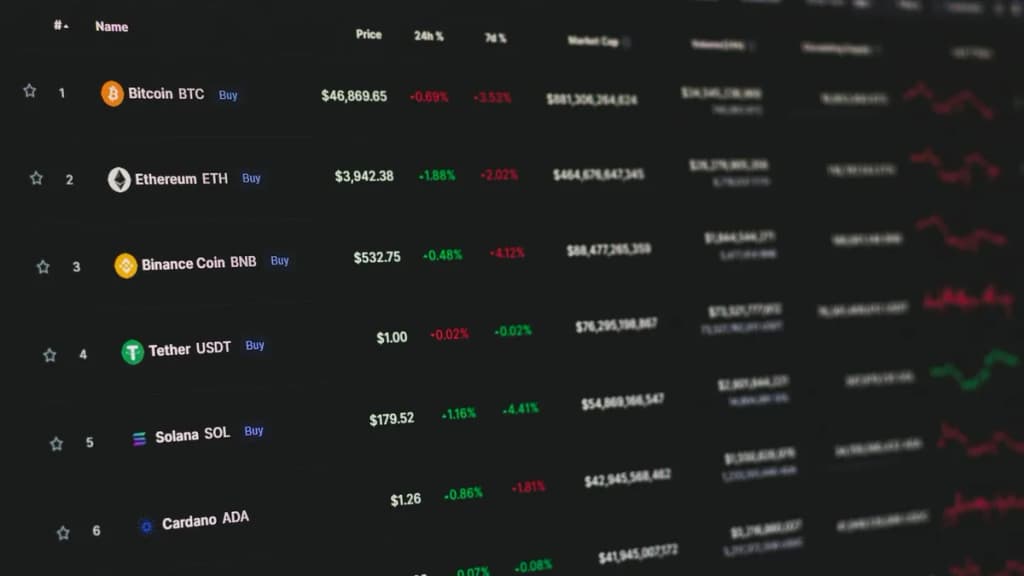
This method is increasingly viewed as obsolete by professional wealth managers. When institutional investors evaluate a new digital asset, they are less concerned with how it ranks on tracking sites like CoinMarketCap and more focused on the project's addressable market and its ability to capture economic value. Relying on market-cap rankings often encourages 'narrative investing,' where assets are purchased simply because they appear higher on a list, rather than because they solve a specific problem or generate sustainable cash flow.
Fundamental analysis in crypto focuses on three primary pillars: usage, revenue, and economics. Unlike stocks, which have standardized financial statements, crypto projects require bespoke analysis to determine how they generate and capture value.
- Usage metrics: This involves tracking active wallet addresses, transaction volume, and total value locked (TVL) in decentralized finance (DeFi) protocols. High usage indicates product-market fit.
- Revenue generation: Many decentralized applications and infrastructure networks now generate fees. Investors are looking for projects where fees are either distributed to token holders or used to reduce supply (burn mechanisms).
- Token economics (Tokenomics): This is the study of how a token is distributed, how it is used to secure the network, and how supply inflation is managed. A project with strong usage but poor tokenomics may fail to capture value for its investors.
By focusing on these metrics, you can distinguish between projects with genuine adoption and those that are merely inflating their metrics through unsustainable incentives.
While fundamental analysis helps identify the long-term value of an asset, perpetual futures and derivative markets continue to dictate short-term price volatility. Trading flows, liquidation levels, and funding rates often override fundamental signals on a day-to-day basis, creating a disconnect between an asset's perceived value and its market price (Wintermute, 2026).
Keep exploring
More from GroundworkIt is vital to distinguish between these two time horizons. Fundamentals act as a 'floor' for the price and help determine which projects are worthy of inclusion on an institutional shortlist. However, daily price movements are frequently dominated by speculators using leverage. If you are a long-term investor, you must learn to ignore the intraday noise caused by liquidations and focus on whether the project's revenue and usage metrics are trending upward over a period of months or years.
To conduct a fundamental review of a crypto project, you should adopt a venture-capital approach. Instead of asking 'What is this token's rank?', ask the following questions:
- What problem does this project solve? A project must have a clear value proposition, such as decentralized physical infrastructure (DePIN) or a more efficient derivatives exchange.
- Is the revenue sustainable? Identify where the project's fees come from. Are they derived from real user activity, or are they subsidized by venture capital or inflationary token rewards?
- What is the token’s role? Does the token provide governance rights, a share of revenue, or utility within the network? If the token is not required for the network to function, it may not capture the value created by the project.
For example, decentralized derivatives platforms like Hyperliquid have gained traction because investors can directly link the HYPE token’s performance to the platform's specific trading volume and economic activity, rather than treating it as a generic 'blockchain' asset (Bitwise, 2026).
To pivot toward a fundamentals-first approach, you should stop relying on top-100 lists as a starting point for research. Instead, begin by identifying sectors of the crypto market that align with your risk tolerance—such as DeFi, infrastructure, or decentralized physical networks—and audit the top projects in those categories based on their actual economic output.
- Audit the project's 'burn' or 'fee' model: Confirm that revenue is actually being generated and directed toward the ecosystem.
- Analyze the active user count: Use on-chain data explorers (like Etherscan or DappRadar) to verify that the project has a growing, non-incentivized user base.
- Assess the roadmap vs. execution: Check if the development team has met their stated milestones regarding technical upgrades or partnerships.