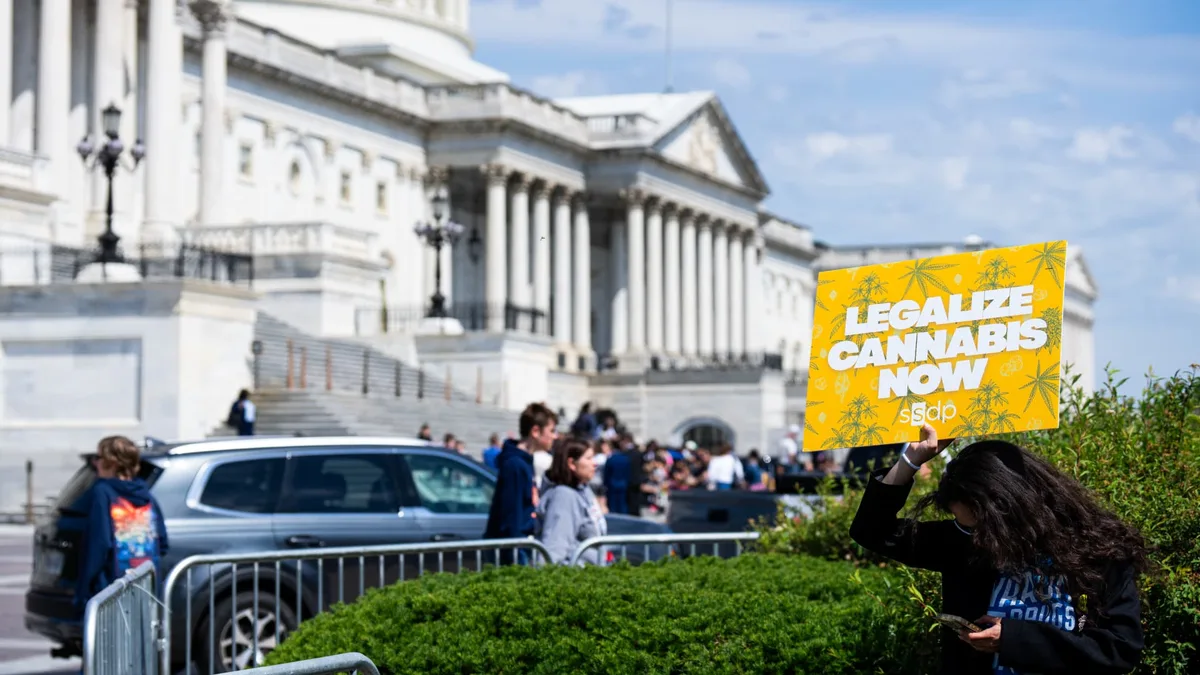
Cannabis reform is a legislative process where states or the federal government adjust the legal status, taxation, or regulatory framework surrounding marijuana. As midterm elections approach, the shifting status of cannabis from a controlled substance to a regulated commodity has become a point of contention for voters and candidates alike.
While economic concerns and national security often dominate headlines, recent polling indicates that cannabis legalization maintains broad, albeit shifting, appeal across the American political spectrum. Understanding where your candidates stand on this issue requires looking beyond campaign rhetoric and examining the current federal and state legal landscape.
Cannabis reform is appearing on midterm ballots because state-level initiatives provide a direct mechanism for voters to influence drug policy where federal legislative action has stalled. Ballot initiatives in states like Massachusetts and Idaho allow citizens to bypass traditional legislative hurdles, forcing candidates to take a definitive stance on legalization.
Historically, the U.S. has maintained a fractured approach to marijuana. Since 1996, 40 states and the District of Columbia have legalized some form of medical or recreational use (Source: CNBC, 2026). Despite this widespread state-level adoption, cannabis remains a Schedule I controlled substance under the 1970 Controlled Substances Act, creating a significant legal conflict between state and federal authorities. This tension serves as a primary driver for political debate, as voters seek clarity on business regulation, criminal justice reform, and medical access.
Federal rescheduling is the administrative process of moving marijuana from Schedule I—the most restrictive category—to a lower classification, such as Schedule III, which recognizes medical utility and lower abuse potential. In April 2026, the Department of Justice took a significant step by signing an order to reschedule state-licensed medical marijuana to Schedule III, following directives to expedite the change (Source: CNBC, 2026).
Moving to Schedule III has practical implications for businesses and patients. For businesses, this reclassification may allow for standard tax deductions currently prohibited under IRS code 280E, which prevents businesses trafficking in Schedule I or II substances from deducting ordinary business expenses. For patients, it signals a shift toward federal recognition of medical marijuana as a legitimate therapeutic option, similar to substances like ketamine or testosterone-based medications.
Keep exploring
More from GroundworkPolitical parties differ on cannabis legalization through their approach to regulation and the speed at which they prioritize reform. While Democrats have historically championed legalization as a platform for social justice and personal liberty, Republicans are increasingly viewing cannabis through the lens of economic growth and voter engagement, particularly among younger demographics.
Recent data suggests that while support for legalization is high among Democrats, it has seen a slight decline among some Republican cohorts (Source: CNBC, 2026). However, political strategists note that shifting positions, such as those seen in the current administration’s push for rescheduling, are often calculated moves to appeal to a broader base of voters. Candidates who support reform often frame it as a way to reduce the burden on the criminal justice system, while those who oppose it frequently cite concerns regarding public health and safety.
When evaluating a candidate’s stance on cannabis, you should look for specific policy proposals rather than general statements of support or opposition. A candidate’s position on the issue is best understood through their voting record, their support for specific state-level ballot measures, and their willingness to address federal-state regulatory conflicts.
To make an informed decision, consider the following steps:
- Review the candidate’s official website for a dedicated 'Issues' or 'Policy' page to see if they explicitly mention drug reform.
- Check voting records for past legislative sessions to see if the candidate has supported or opposed bills related to medical or recreational cannabis expansion.
- Examine local news coverage to see if the candidate has commented on upcoming ballot initiatives in your state.
- Determine if the candidate differentiates between medical access and full recreational legalization, as this nuance often dictates the scope of their proposed regulations.
Economic factors influence the cannabis debate by highlighting the potential for tax revenue and job creation within the legal market. As states face budgetary pressures, the prospect of taxing a multi-billion dollar industry becomes an increasingly attractive incentive for lawmakers who might otherwise remain neutral on the issue.
While cannabis is not currently the primary focus for most voters compared to inflation or infrastructure, it is a significant secondary issue for those involved in the industry or those interested in tax reform. The 'cannabis economy' includes agricultural production, retail operations, and logistics, all of which are subject to varying degrees of state regulation. When assessing a candidate, consider how their economic platform addresses the unique hurdles faced by cannabis businesses, such as access to banking services and federal tax relief. A candidate who understands the regulatory burden on these businesses is often better equipped to handle the complexities of future legalization efforts.