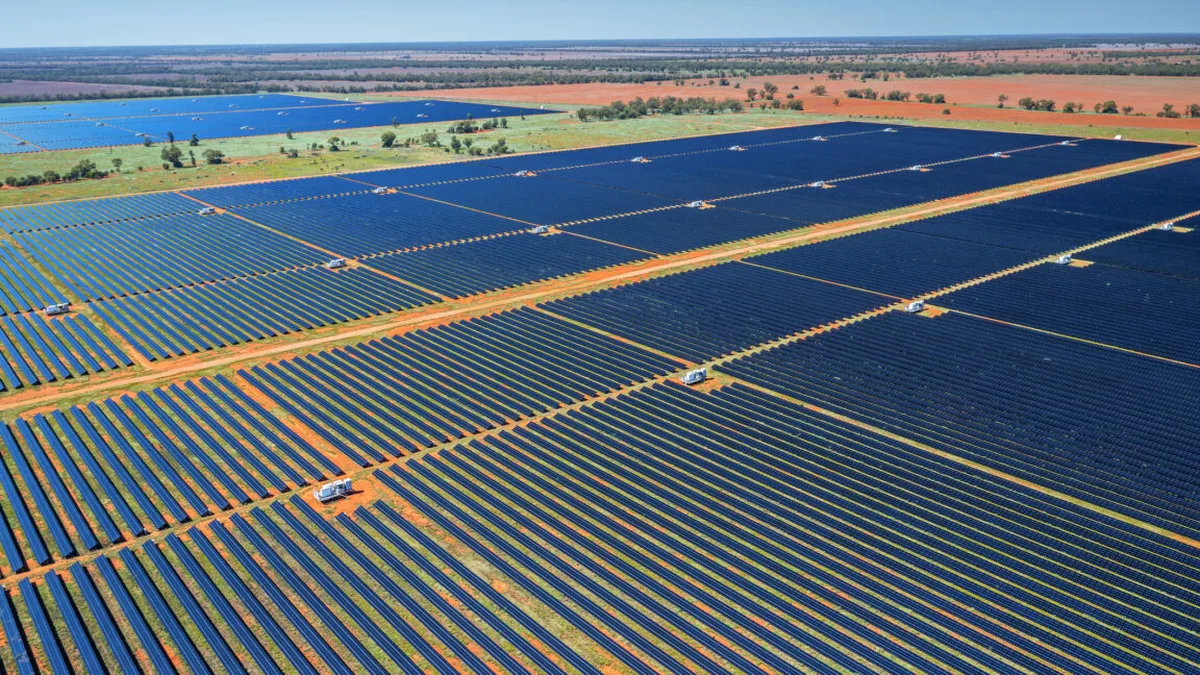
Utility-scale power generation is the process of producing electricity at a large scale for distribution to the electrical grid, rather than for individual residential or commercial use. According to the US Energy Information Administration (EIA), 368 utility-scale power plants began operation in the United States during the first half of the year, marking a period of significant infrastructure expansion driven primarily by solar energy and large-scale wind projects.
Data from the EIA highlights that the energy transition is currently dominated by solar photovoltaic installations, which account for the vast majority of new project counts. While solar projects are numerous, a small number of massive wind developments contribute significantly to the total generating capacity added to the grid.
Solar energy is the primary driver of new utility-scale power capacity in the United States, representing the largest share of the 368 plants brought online in the first half of the year. While natural gas remains a component of the energy mix, the rapid deployment of utility-scale solar arrays has outpaced other forms of generation in terms of the sheer number of operational sites. This surge in solar development is largely attributed to falling costs of photovoltaic components and federal incentives aimed at expanding domestic renewable energy capacity.
Large-scale wind projects are becoming increasingly concentrated in specific geographic regions due to complex regulatory hurdles and the need for optimal wind resources. The SunZia Wind North and South projects in New Mexico serve as a primary example, representing the largest wind farms in the country with a combined capacity of 3,650 megawatts. Despite the success of such massive projects, the overall rate of onshore wind development has slowed. Factors contributing to this trend include lengthy permitting processes, local zoning opposition, and challenges related to upgrading long-distance transmission infrastructure to bring remote wind energy to major population centers.
Keep exploring
More from GroundworkIntegrating hundreds of new power plants requires significant upgrades to transmission infrastructure to maintain grid reliability and stability. As utility-scale solar and wind projects are frequently located in areas distant from high-demand urban centers, the ability to transport this electricity is as critical as the generation capacity itself. According to the Department of Energy, modernizing the grid involves not only adding generation but also enhancing high-voltage direct current (HVDC) lines to reduce energy loss during transport. This infrastructure investment is a prerequisite for ensuring that new renewable capacity can effectively replace retiring fossil fuel plants without compromising service levels.
Increased utility-scale renewable capacity generally puts downward pressure on wholesale electricity prices over the long term, though individual consumer rates are influenced by a variety of local factors. Because solar and wind have near-zero marginal operating costs compared to natural gas or coal, a grid with higher renewable penetration can experience lower costs during peak generation hours. However, consumers should note that utility rates are also tied to the cost of grid maintenance, administrative overhead, and the capital investment required for transmission upgrades. While the shift toward renewables is well underway, the financial impact on your monthly bill will depend on how your regional utility manages its transition and recovers the costs of these massive infrastructure projects.
If you are interested in the transition of your local power grid, you can track development projects through state-level public utility commission filings. These regulatory bodies provide public access to information regarding new plant applications, environmental impact assessments, and proposed rate changes. By reviewing these documents, you can identify which types of energy are being prioritized in your region and how these projects are being financed through your utility service rates.