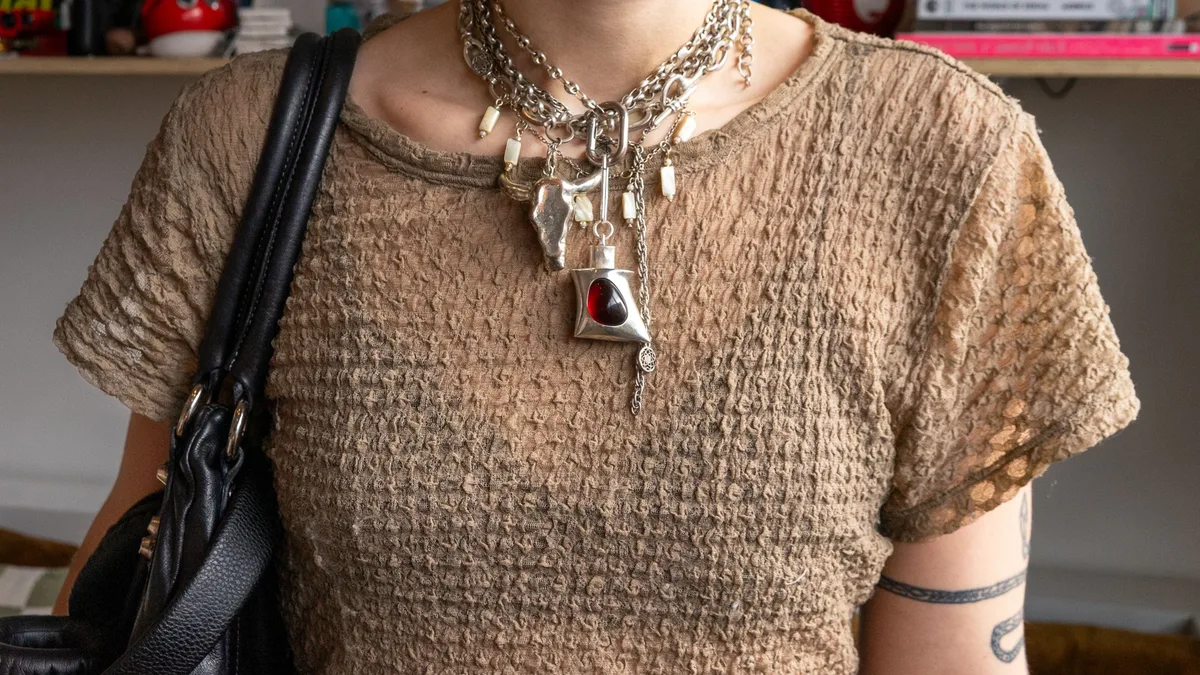
A wearable USB flash drive is a functional storage device integrated into an aesthetic accessory, such as a necklace or pendant, designed to blend data portability with personal style. While traditional flash drives are strictly utilitarian, these hybrid devices aim to bridge the gap between wearable tech and everyday file management, offering a unique approach to carrying digital assets.
According to market trends, the intersection of 'gorpcore' and tech-integrated fashion has led to niche products like the Noware Puff, which combines 128 GB of storage with a customizable display screen. This reflects a broader shift toward 'fashion-first' electronics, where the device must be as visually appealing as it is functional.
Wearable flash drives are practical if you prioritize style and frequent physical access to files, but they often sacrifice cost-efficiency for aesthetic value. Most standard 128 GB flash drives cost between $15 and $30 (Amazon, 2024), whereas specialized jewelry-integrated drives can retail for $179 or more. You are primarily paying for the industrial design, the artisan labor involved in the casing, and the unique form factor rather than the storage capacity itself.
Most modern wearable USB drives, such as the Puff, operate by utilizing a standard USB-C or Lightning interface that draws power directly from your host device—such as a smartphone or laptop—to activate secondary features like an integrated display. Because these devices lack an internal battery, they are lightweight and have a longer hardware lifespan than devices that rely on rechargeable lithium-ion cells, which naturally degrade over time (IEEE Spectrum, 2023).
Keep exploring
More from GroundworkTo manage the data and any on-device animations, manufacturers provide custom software. This allows you to upload custom graphics or toggle between display modes. These devices function identically to any other plug-and-play mass storage device, meaning they are compatible with standard file management systems on macOS, Windows, and mobile operating systems.
Wearing a flash drive in public introduces physical security risks that standard, hidden drives do not face. If you wear your storage as a necklace, you are effectively carrying your data in a high-visibility location, which increases the likelihood of accidental loss, theft, or physical damage from environmental exposure. Unlike a drive kept in a secure pocket or a laptop bag, a necklace is susceptible to snagging, moisture, and impact.
If you choose to use a wearable drive, you should follow these security best practices:
- Encrypt your files: Use software-based encryption (like VeraCrypt or built-in OS tools) to ensure that if the device is lost, your data remains inaccessible.
- Keep backups: Never store your only copy of a file on a wearable device. Use cloud storage as your primary repository and the flash drive only for temporary transfers.
- Limit sensitive data: Avoid storing highly sensitive information, such as tax documents or unencrypted passwords, on a device meant for public display.
Deciding whether to purchase a high-end wearable USB drive depends on your workflow. For creative professionals, such as DJs or photographers who need to move assets between devices frequently, the convenience of having a drive around your neck may outweigh the cost. However, if your goal is simple data backup, a traditional, ruggedized, or high-speed solid-state flash drive remains the superior financial and performance choice. Assess whether the aesthetic value of the item aligns with your personal style before committing to a premium price point.