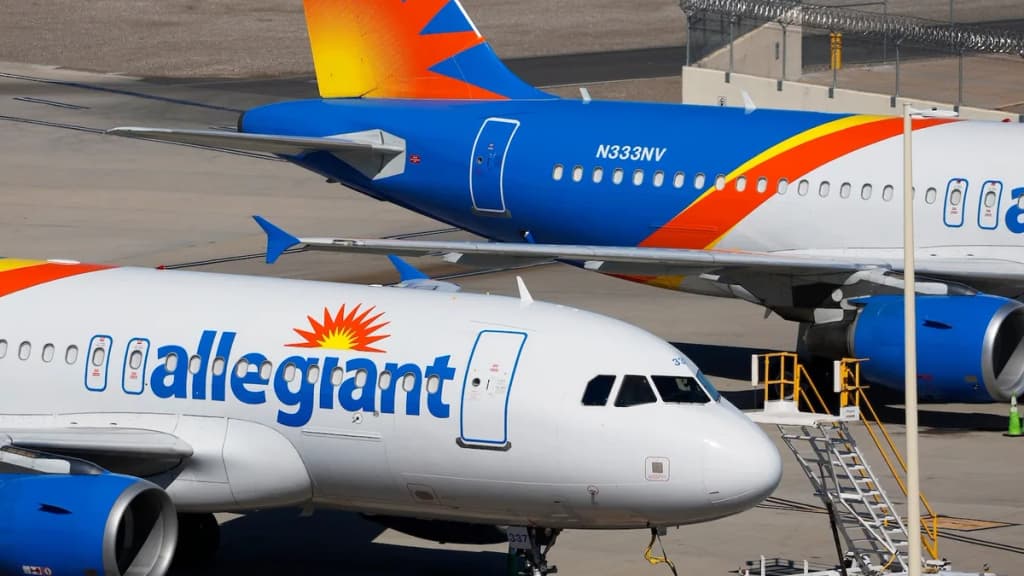
A hyper-seasonal route is a commercial flight path operated by an airline for a very limited window, typically coinciding with peak travel demand such as spring break or holiday periods. Allegiant Air recently introduced nine such routes, with a primary focus on connecting New England travelers to Florida destinations during late winter and spring.
At Groundwork, our analysis shows that low-cost carriers like Allegiant utilize these short-term routes to maximize asset utilization without the overhead of year-round operations. By aligning capacity with temporary spikes in consumer demand, airlines can maintain high load factors while minimizing the risk of flying empty seats during off-peak months.
Hyper-seasonal routes offer travelers direct access to vacation hubs that might otherwise require a layover, but they come with significant scheduling limitations. Because these flights only operate for a window of roughly two months, your travel flexibility is drastically reduced. If your travel dates fall outside this narrow operational window, you will need to revert to standard flight paths, which may involve longer transit times or higher costs.
When evaluating these routes, consider the following three factors:
- Reliability: Because these are not year-round routes, the airline has less operational slack. If a flight is canceled, rebooking options are often limited because there may not be another flight on that route for several days.
- Total trip cost: While the base fare for budget carriers is often low, the lack of daily service can force you to adjust your entire vacation schedule, potentially increasing costs for lodging or rental cars.
- Airport choice: These routes often utilize secondary airports, such as Orlando Sanford (SFB) instead of Orlando International (MCO). Ensure you calculate the ground transportation costs from the secondary airport to your final destination, as these can offset the savings from a cheaper airfare.
Allegiant’s recent announcement includes seven routes from New England—specifically Boston (BOS), Providence (PVD), and Portsmouth (PSM)—to Florida. These routes operate exclusively from February through April. According to the airline's scheduling data, these flights are specifically 'tailored to meet peak spring travel demand,' according to Allegiant Chief Commercial Officer Drew Wells.
At Groundwork, our research into airline capacity management indicates that this 'hyper-seasonal' model is a hallmark of the ultra-low-cost carrier (ULCC) strategy. By focusing on leisure travelers who are price-sensitive rather than schedule-sensitive, the airline captures market share during high-demand windows while avoiding the high fixed costs associated with maintaining a permanent gate presence at major hubs.
Keep exploring
More from GroundworkTo determine if a seasonal route provides actual value, you must compare the 'all-in' cost of the flight against your time and convenience requirements. A common trap is focusing solely on the advertised base fare. Groundwork’s decision framework suggests calculating the 'true cost of transit' by adding the following to your budget:
- Ground transportation: Cost of shuttles, Ubers, or parking at both the origin and destination airports.
- Schedule risk: The cost of a potential hotel night or meal in the event of a cancellation on a route with limited frequency.
- Baggage fees: Budget carriers typically charge for carry-on and checked bags, which can negate the initial savings of a discounted ticket.
While hyper-seasonal routes are limited to a few weeks, year-round service—such as Allegiant’s new route between Cincinnati (CVG) and Orlando (MCO)—provides stability. Year-round routes are generally more reliable for business travelers or those with inflexible vacation dates. When choosing between the two, prioritize year-round service if you have a tight itinerary, and consider hyper-seasonal routes only when you have the flexibility to shift your travel dates by 24 to 48 hours in the event of operational disruptions.
If you decide to book a hyper-seasonal flight, follow these steps to protect your trip:
- Check the operational window: Verify the exact start and end dates for the route. Do not assume service continues past the dates listed by the carrier.
- Review secondary airport logistics: Research the distance from the landing airport to your primary destination. If you are landing at a secondary airport that is 60+ minutes from your hotel, factor in the cost and time of the commute.
- Purchase travel insurance: On routes with low frequency, a single cancellation can ruin a trip. Ensure your credit card or a third-party policy covers trip delays and interruptions.
- Monitor flight frequency: If the route only flies twice a week, acknowledge that your options for rebooking will be extremely limited if a flight is canceled.
By treating these routes as a tool for specific, flexible travel windows rather than a standard transportation solution, you can leverage the cost savings while mitigating the risks inherent in low-frequency, seasonal airline operations.