

Updated: Aug 28, 2026
Based on reporting by St. Louis Fed FRED Economic Research. Research, structure, and fact-checking by Groundwork.

State minimum wages and cost of living vary significantly across the US, with many states exceeding the federal minimum wage.
Based on reporting by St. Louis Fed FRED Economic Research. Research, structure, and fact-checking by Groundwork.
Connect your brand with over 50,000 monthly decision-makers seeking research-backed guidance in finance, health, and tech.
Zero Clickbait • 100% Verified Editorial Standards
“The relationship between state minimum wages and cost of living is complex and complex. By using RPPs to adjust minimum wages, policymakers can gain a more accurate picture of the real purchasing power of the minimum wage in different states.”
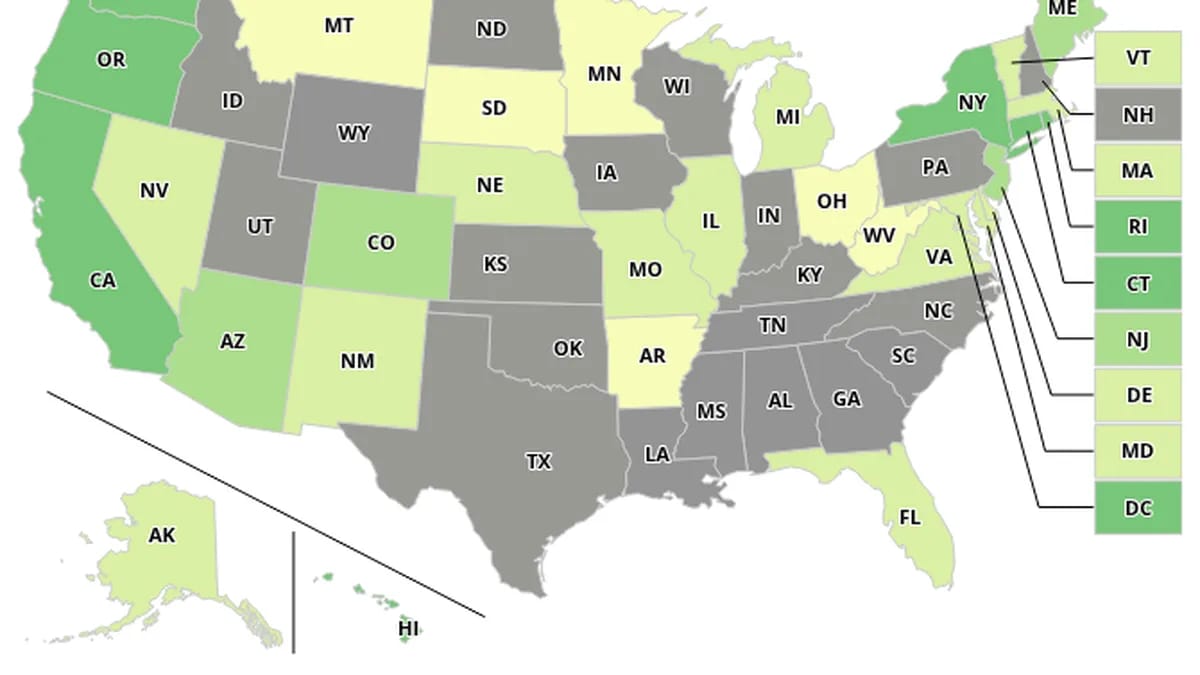
The federal minimum wage is the lowest hourly rate employers are required to pay workers, currently set at $7.25 per hour. However, state minimum wages vary significantly, with many exceeding the federal minimum. The median minimum wage for US states, including Washington DC, is $11.85.
As of 2026, 30 out of 50 US states have minimum wages higher than the federal minimum. Our interactive map, available on the Federal Reserve Economic Data (FRED) platform, illustrates these minimum wages. The map uses a color-coding system to represent the different minimum wages, with gray shading indicating states that follow the federal minimum wage or have chosen to set their minimum wage at the same rate.
States consider various factors when setting their minimum wage, including cost of living. One measure of cost of living is regional price parities (RPPs), which assign values to the relative price level in each state compared to the national average. Our FRED map also displays RPPs, which can be used to adjust the minimum wage for real purchasing power across states.
RPPs are determined by the average prices paid for a typical basket of goods and services, which is applied consistently across states. This basket includes items such as housing, food, clothing, and transportation. RPPs provide a measure of the relative price level in each state, with a value of 100 representing the national average. For example, California has an RPP of 110.72, indicating that prices there are 10.7% higher than the national average.
To adjust the minimum wage by RPPs, we can multiply the minimum wage by the RPP value. This provides a measure of real purchasing power across states. For instance, DC has the highest minimum wage, but its RPP is also high. Once adjusted by its RPP, the minimum wage value drops by about $1.66 to $16.74. On the other hand, New Hampshire has a low minimum wage, but its RPP is relatively low as well. Once adjusted by its RPP, the minimum wage value drops to $6.96.
Connect your brand with over 50,000 monthly decision-makers seeking research-backed guidance in finance, health, and tech.
Zero Clickbait • 100% Verified Editorial Standards
David Sterling (2026). State Minimum Wages and Cost of Living: A Comprehensive Analysis. Groundwork. Retrieved from https://gworky.com/article/state-minimum-wages-and-cost-of-living
Contextual evidence and verified documentation referenced in this research guide
Groundwork enforces a strict, independent verification standard. All claims and benchmark figures in this guide are cross-referenced against the primary documentation and regulatory registries listed below:
Explore related evidence-based investigations, decision tools, and entity breakdowns:
Connect your brand with over 50,000 monthly decision-makers seeking verified guidance in finance, health, and tech.
Find out how many months it takes for a refinance to pay for itself.
 money
money money
money money
money money
moneyThe federal minimum wage is the lowest hourly rate employers are required to pay workers, currently set at $7.25 per hour.
David Sterling is a personal finance writer covering mortgages, banking, insurance, and investing for Groundwork. He turns complex financial research into practical decisions.
Adjusting minimum wages by RPPs has several implications. Firstly, it provides a more accurate picture of the real purchasing power of the minimum wage in different states. Secondly, it highlights the importance of considering cost of living when setting minimum wages. Finally, it underscores the need for a more nuanced approach to minimum wage policy, one that takes into account the unique economic conditions of each state.
To explore the data in more detail, please visit the FRED platform and search for the following series IDs:
State minimum wages and cost of living are complex issues that require a comprehensive understanding of the underlying data. By using regional price parities (RPPs) to adjust minimum wages, we can gain a more accurate picture of the real purchasing power of the minimum wage in different states. This approach has important implications for minimum wage policy and highlights the need for a more nuanced approach to this issue.
The median minimum wage for US states, including Washington DC, is $11.85. However, when adjusted for cost of living using regional price parities (RPPs), the minimum wage value can drop significantly. For example, DC's minimum wage value drops by about $1.66 to $16.74 once adjusted by its RPP.
The relationship between state minimum wages and cost of living is complex and complex. By using RPPs to adjust minimum wages, policymakers can gain a more accurate picture of the real purchasing power of the minimum wage in different states. This approach has important implications for minimum wage policy and highlights the need for a more nuanced approach to this issue.
As of 2026, 30 out of 50 US states have minimum wages higher than the federal minimum.
The median minimum wage for US states, including Washington DC, is $11.85.
RPPs assign values to the relative price level in each state compared to the national average. By multiplying the minimum wage by the RPP value, we can adjust the minimum wage for real purchasing power across states.
Adjusting minimum wages by RPPs provides a more accurate picture of the real purchasing power of the minimum wage in different states. It also highlights the importance of considering cost of living when setting minimum wages and underscores the need for a more nuanced approach to minimum wage policy.
Editorial Director
Editorial director and brand ambassador for Groundwork. Elena distills hours of cross-source research into one clear, evidence-backed takeaway — then points you at the tool that does the real work.
This guide underwent secondary data verification to confirm primary source integrity, calculation formulas, and regulatory compliance before publication.
Connect your brand with over 50,000 monthly decision-makers seeking research-backed guidance in finance, health, and tech.
Zero Clickbait • 100% Verified Editorial Standards

Federal Judge Blocks Trump's Mail Ballot Executive Order: What It Means for Midterm Elections Direct Answer A federal judge has blocked President Donald

Missing the ESOP planning window can cost you up to 20% of your retirement income due to tax withholding and company-specific risks.

Tax changes from Congress: what you need to know. Stay informed about tax laws and regulations to minimize your tax liabilities and maximize your after-tax