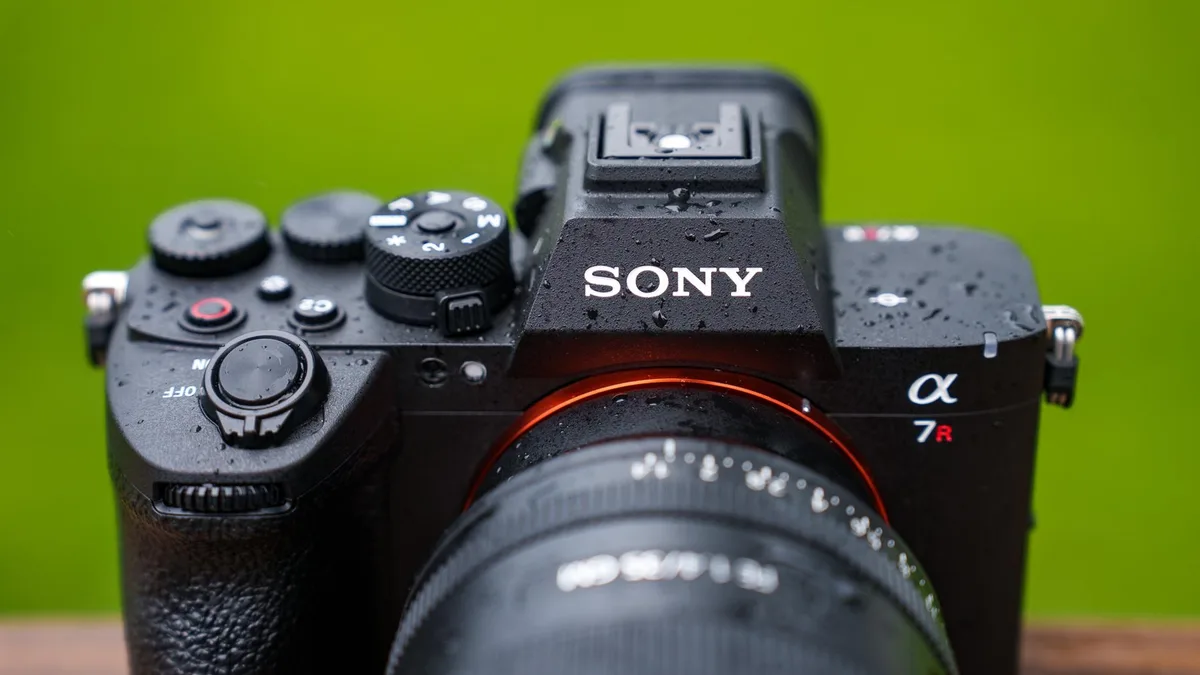
The Sony A7R VI is a high-resolution, full-frame mirrorless camera that functions as a versatile tool for both professional photography and cinematic video production. It features a 66.8-megapixel stacked sensor and the Bionz XR2 processor, marking a shift toward high-speed performance in cameras traditionally reserved for static studio work.
According to technical specifications released by Sony, this model bridges the gap between resolution-focused imaging and high-speed action photography. Historically, high-megapixel cameras were limited by slow burst rates and poor low-light performance. The A7R VI challenges this legacy by utilizing a stacked sensor architecture that significantly reduces read-out times, allowing for faster autofocus and more capable video recording.
A stacked sensor is a design where the memory and processing circuitry are layered directly behind the imaging pixels, enabling significantly faster data transfer speeds. This architecture allows the A7R VI to handle high-resolution image files without the performance bottlenecks that previously plagued high-megapixel cameras, such as rolling shutter distortion in video or slow burst-shooting rates.
Data from recent benchmark tests indicate that the Bionz XR2 processor further enhances this speed by optimizing image noise reduction and autofocus tracking in real-time. For photographers, this means you can capture 66.8-megapixel images at speeds previously only possible on lower-resolution sports cameras. By separating the processing tasks, the camera maintains high fidelity while keeping the autofocus system responsive, even when tracking fast-moving subjects.
Despite the high pixel count, the A7R VI performs reliably in low-light environments due to improved signal processing and sensor sensitivity. While cramming nearly 67 million pixels onto a full-frame sensor typically increases image noise, the integration of the Bionz XR2 processor allows for advanced noise reduction algorithms that preserve detail while minimizing grain at higher ISO settings.
Keep exploring
More from GroundworkIn practical use, this camera produces cleaner files than its predecessor, the A7R V. If you are a landscape or event photographer, you can expect higher usable dynamic range when recovering shadows in post-production. This capability is essential when shooting in high-contrast scenarios where you need to balance bright highlights against dark foregrounds without losing color accuracy or introducing excessive digital noise.
The Sony A7R VI supports high-bitrate 8K video recording, positioning it as a hybrid powerhouse for creators who need to switch between high-resolution stills and cinema-grade video. The camera utilizes the full width of its sensor to oversample 8K footage, resulting in sharp, detailed video output that maintains color depth and dynamic range.
To maximize the potential of the A7R VI for video, follow these steps:
- Use high-speed CFexpress Type A memory cards to ensure the camera can write the massive data files generated by 8K recording.
- Enable the active stabilization mode if you are shooting handheld, as high-resolution sensors are highly sensitive to micro-vibrations.
- Utilize the custom function buttons to toggle between photo and video exposure settings, as the sensor's high resolution requires different shutter speed considerations for video to avoid motion blur.
- Use an external monitor to verify focus, as the high pixel density makes manual focus adjustments difficult on the rear LCD screen alone.
You should consider upgrading to the A7R VI if you are a professional photographer who requires extreme detail for large-format printing or commercial cropping, yet you also need the speed to capture candid moments or sports. If you currently own the A7R V, the upgrade is incremental; however, if you are working with an older body, the jump in processing speed and autofocus reliability provides a measurable improvement in your workflow efficiency.
Before purchasing, assess your current storage and computing capabilities. A 67-megapixel camera generates large raw files that require significant RAM and storage space for editing. Ensuring your hardware can handle the data load is just as important as the camera's internal specifications.