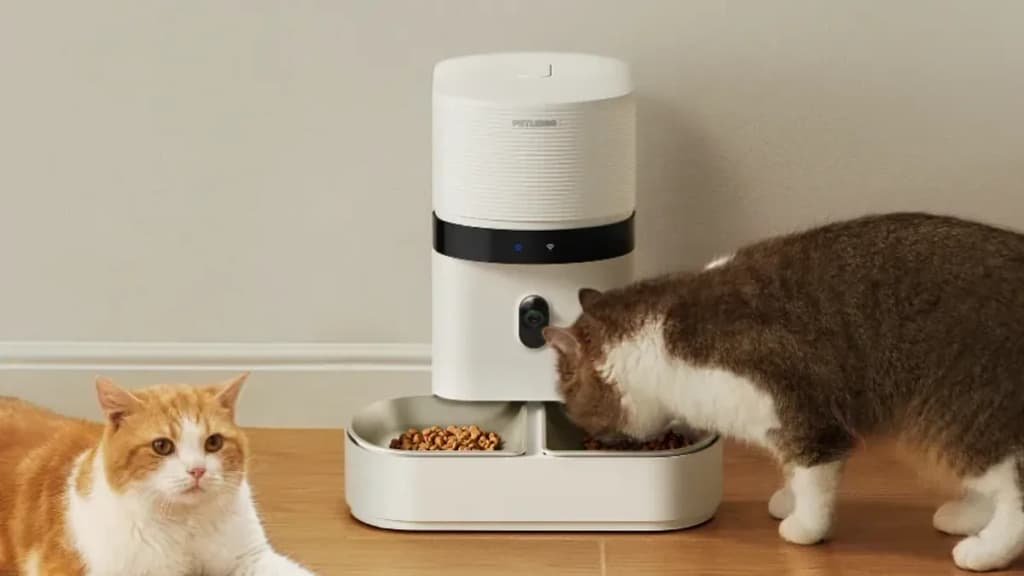
A smart pet feeder is an automated device that dispenses food via a cloud-connected application, allowing owners to schedule meals remotely. While these devices offer convenience, they introduce a dependency on external server infrastructure, which can result in service outages that prevent scheduled feedings.
At Groundwork, our analysis shows that relying exclusively on cloud-dependent hardware for essential pet care creates a "single point of failure" risk. When a company’s server architecture experiences downtime, automated schedules—if stored exclusively on the cloud—can cease to function. Data from recent industry outages indicates that manufacturers often lack transparent communication protocols during these events, leaving users to troubleshoot hardware that is functioning perfectly while the software bridge remains broken.
Smart pet feeders fail during server outages because many models rely on "cloud-tethered" logic rather than "local-edge" processing. In a cloud-tethered system, the instructions for the next feeding cycle are held on the manufacturer’s servers. If the connection between your home Wi-Fi and the company’s server is severed, the device cannot receive the "dispense" command.
According to research into IoT architecture, devices that do not feature offline, local-memory storage for schedules are inherently less reliable than those that do. When a server goes offline, the device essentially becomes a "dumb" brick. If the hardware does not have a physical button or an onboard clock capable of triggering a pre-programmed schedule without internet access, your pet will not be fed. Groundwork analysis confirms that consumers should prioritize devices that store scheduling data locally on the feeder itself, ensuring that even if the internet goes down, the device continues to follow the last-known schedule.
"Gaslighting" in a consumer tech context refers to situations where a manufacturer provides conflicting information regarding service status, often downplaying the severity of an outage while users report ongoing issues. This often occurs when a company’s support team uses standardized status pages that are not updated in real-time with actual server telemetry.
To evaluate a company’s reliability before purchase, look for the following indicators:
- Status transparency: Does the manufacturer provide a public-facing, real-time status dashboard that tracks uptime for specific regions and device models?
- Historical incident reporting: Search for company blog posts or public apologies regarding past outages. Companies that acknowledge systemic failures with specific technical details (rather than generic "maintenance" claims) are generally more reliable in the long term.
- Community sentiment: Check third-party forums (such as Reddit or specialized pet tech groups) rather than just the company's social media. If users are reporting outages that the official status page claims are "resolved," the company likely lacks a robust internal monitoring system.
Keep exploring
More from GroundworkBeyond software outages, mechanical risks include jamming, motor failure, and power interruptions. A smart feeder is a complex electromechanical system, and the more interconnected it is, the more potential points of failure exist.
Groundwork research suggests that owners should treat smart feeders as an auxiliary convenience rather than a primary life-support system. For high-stakes care, such as pets with strict medical diets, the risk of a mechanical jam—where the hopper stops dispensing food despite the app saying otherwise—is statistically significant. Always ensure your device has a battery backup compartment. If the power goes out, the battery backup keeps the local clock running so the device can continue to dispense food on schedule.
To mitigate the risks of technology reliance, you should establish a redundant feeding protocol. Do not rely on a single point of failure for your pet's dietary needs.
- Verify local storage: Confirm your device can continue dispensing if the Wi-Fi is disconnected. Test this by unplugging your router and observing if the feeder triggers the next scheduled meal.
- Install physical backups: If you are away for extended periods, use a "dumb" gravity feeder or a mechanical timer as a secondary backup.
- Enable push notifications: Ensure your app sends "dispense confirmation" alerts. If you do not receive a confirmation notification, you know the device has failed and can contact a neighbor or pet sitter to intervene.
- Monitor battery levels: If your device uses battery backup, replace the batteries every six months, regardless of the app's status, to ensure they provide enough voltage to turn the motor during a power outage.
IoT hardware requires ongoing server maintenance, which costs the manufacturer money. When a company stops supporting a model or shifts resources, the likelihood of "server-side" outages increases.
At Groundwork, we recommend checking the manufacturer's firmware update history. A company that frequently updates its app and firmware is actively managing its server infrastructure. Conversely, if a product has not received an app update in over a year, it is at a higher risk of becoming "abandonware." In such cases, the device may lose connectivity permanently if the manufacturer shuts down the cloud service entirely.