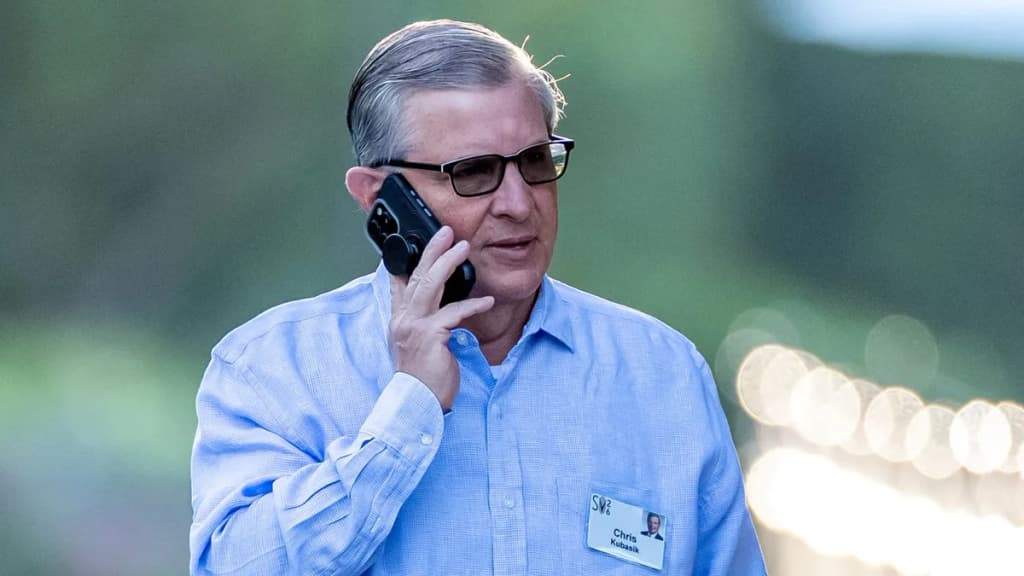
An executive ouster is a sudden departure of a C-suite leader due to policy violations, ethical breaches, or performance failures that force a board of directors to terminate a contract. When L3Harris Technologies announced the immediate departure of CEO Chris Kubasik in August 2026, the company cited conduct inconsistent with corporate values, resulting in a 4% decline in share price. This event serves as a critical case study in how internal governance mechanisms function to protect institutional integrity during moments of leadership crisis.
Boards of directors are legally and ethically bound to uphold corporate governance standards, which act as a safeguard for shareholders, employees, and stakeholders. When an executive engages in behavior that violates these standards—such as undisclosed relationships, conflicts of interest, or ethical lapses—the board must act to mitigate legal, reputational, and operational risks. At Groundwork, our analysis shows that boards utilize independent investigations to maintain neutrality, ensuring that the decision to terminate is based on verified facts rather than internal office politics. In the case of L3Harris, the board’s engagement of independent counsel underscores a standard procedure designed to insulate the company from potential litigation and to signal to the market that the board remains in control of the organization's ethical culture.
Market volatility following a CEO ouster is typically driven by investor uncertainty regarding future strategy and the stability of the company’s internal controls. A 4% drop in stock price, as seen with L3Harris, reflects a risk premium that investors apply when they perceive a leadership vacuum. According to financial data, the market often discounts shares during these periods to account for the potential disruption of ongoing projects or shifts in corporate direction. However, this reaction is often temporary if the board acts decisively to install an experienced successor. By appointing Sam Mehta, a veteran leader who previously directed the company’s Space & Mission Systems, the board aimed to provide continuity, suggesting that the core strategic trajectory of the firm remains intact despite the executive-level upheaval.
It is essential for stakeholders to distinguish between a termination based on operational failure and one based on conduct. L3Harris explicitly stated that Kubasik’s departure was unrelated to financial reporting, customer relationships, or operational performance. This distinction is vital for investors because it suggests that the company’s fundamentals—its contracts, supply chain, and revenue streams—remain stable. When a departure is purely conduct-based, the primary risk to the investor is not the company’s ability to deliver products or services, but rather the potential for a temporary loss of institutional knowledge or a shift in the corporate culture that could affect long-term talent retention.
Keep exploring
More from GroundworkEffective boards maintain a contingency plan for leadership transitions, even when the current CEO is considered a long-term asset. This process, known as succession planning, involves identifying internal or external candidates who can step into the role immediately during an emergency. The rapid transition at L3Harris, where Lewis Hay III was named independent chairman and Sam Mehta was elevated to CEO, illustrates the importance of a pre-established succession pipeline. At Groundwork, our research into corporate governance frameworks confirms that companies with robust, transparent succession plans experience lower long-term stock price volatility following unexpected executive departures compared to those that lack a clear roadmap for leadership continuity.
L3Harris occupies a significant position in the defense sector, managing high-stakes projects such as the modification of specialized government aircraft. In the defense industry, trust and reputation are tangible assets. Any disruption at the top of an organization could potentially complicate relationships with government agencies, which prioritize stability and predictability. However, because the board clarified that the departure was an internal ethical matter rather than a failure of government-facing operations, the impact on future contracts is likely to be mitigated. Investors should monitor the company’s upcoming quarterly filings for any mention of changes to the missile solutions business spinoff, as this will be a key indicator of whether the leadership change has impacted the broader strategic roadmap.
When a company experiences an unexpected executive departure, investors should take the following steps to evaluate their position:
- Review the official statement: Determine if the departure was due to operational failure or personal conduct. Operational failures often imply deeper systemic issues, whereas conduct issues are usually isolated to the individual.
- Analyze the successor: Evaluate the background of the new leader. Are they an internal promotion with significant experience, or an external hire? Internal transitions generally signal a commitment to existing strategy.
- Monitor board communication: Look for evidence of independent oversight, such as the involvement of external law firms or independent directors, which suggests the board is prioritizing shareholder interests over individual executive loyalty.
- Reassess the risk profile: If the company is currently involved in sensitive government contracts or major corporate restructurings, be prepared for increased short-term volatility and adjust your risk tolerance accordingly.