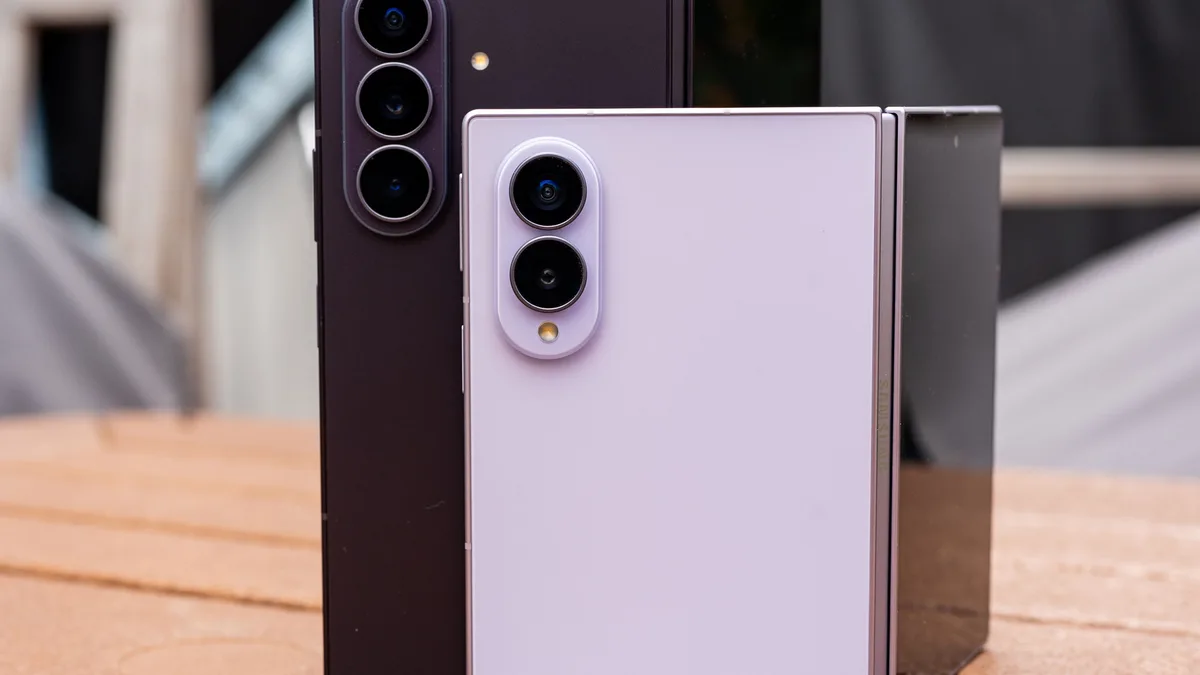
A foldable smartphone is a device featuring a flexible internal display that allows it to transition between a standard phone form factor and a tablet-like experience. The Samsung Galaxy Z Fold8 and Z Fold8 Ultra represent the current evolution of this category, focusing on ergonomic adjustments and display proportions to improve daily usability.
Recent data indicates that consumer preference for foldable devices is shifting toward usability and hardware reliability rather than raw specs alone (Statista, 2024). While the Galaxy Z Fold8 offers a wider, more accessible design, the Ultra variant targets power users who prioritize camera performance and premium materials.
The Samsung Galaxy Z Fold8 introduces a wider and shorter aspect ratio compared to its predecessors, which significantly improves one-handed usability and screen accessibility. By reducing the height and increasing the width, the device functions more like a traditional smartphone when closed, reducing the need for constant, awkward thumb stretching to reach the top corners of the screen.
This design shift addresses a primary pain point of previous "book-style" foldables, which often felt too narrow, making the outer screen difficult to type on. While the internal display area remains a generous 7.6 inches, the new proportions make the transition from the cover screen to the inner display feel more natural. For users who prioritize daily ergonomics over extreme screen real estate, the Z Fold8 provides a more comfortable, intuitive experience that encourages more frequent use of the tablet-like interface.
The Galaxy Z Fold8 Ultra maintains the taller, slimmer profile associated with older foldable designs while packing in superior camera hardware and build materials. While it offers a more expansive vertical canvas for multitasking, the taller screen can become difficult to manage for users with smaller hands, often requiring a "shimmy" or grip adjustment to reach the notification shade or top-level UI elements.
Choosing between the two comes down to your primary use case. If you are a mobile photographer or a power user who requires the highest-rated camera sensors, the Ultra is the logical choice. However, internal testing suggests that the increased friction of opening the taller, stiffer hinge of the Ultra often leads to decreased usage of the inner screen. If you value a device that feels like a standard phone when closed but opens easily for media consumption, the base Fold8 is objectively more practical for the average user.
Keep exploring
More from GroundworkBoth the Galaxy Z Fold8 and Z Fold8 Ultra feature top-tier mobile processors, ensuring that high-demand multitasking, gaming, and productivity apps run without significant performance bottlenecks. Battery life remains consistent across both models, generally lasting a full day of moderate-to-heavy use, though the Ultra’s larger footprint allows for slightly different thermal management strategies during intense gaming sessions.
It is important to note that the physical hinge design affects how you interact with the phone. The Z Fold8 features a slightly less stiff hinge, which makes it easier to open with one hand, whereas the Ultra’s hinge is engineered for durability and support at various angles. While the Ultra might be better for propping up on a desk for video calls, the Fold8’s ease of access likely results in a higher utilization rate of the device’s core "foldable" feature.
Samsung has continued to refine the display technology in the Z Fold8 series, resulting in a less visible crease and improved screen brightness compared to previous iterations. The internal OLED panels are vibrant, offering high color accuracy and deep blacks, which are essential for the tablet experience these devices aim to provide.
While the crease is not entirely invisible, it is significantly less distracting during daily tasks like scrolling through emails or reading articles. The 10:16 aspect ratio on the cover screen of the Fold8 also minimizes the "letterboxing" effect—the black bars that appear when watching standard video content—making it a superior choice for mobile media consumption compared to the Ultra's taller, narrower screen. When evaluating your purchase, consider how much time you spend watching video content on the outer screen versus the inner display.
To decide between the two, assess your daily habits against the following criteria:
- Ergonomics: If you prioritize one-handed use, the wider Z Fold8 is the better choice.
- Photography: If you require a high-zoom camera system, you must opt for the Ultra.
- Multitasking: If you frequently run three or more apps simultaneously, the extra vertical space of the Ultra might be beneficial.
- Accessibility: If you find yourself hesitant to open your current foldable, the easier hinge mechanism on the Fold8 will likely increase your satisfaction.
Ultimately, the "best" foldable is the one that fits seamlessly into your workflow. For most people, the practical improvements in the Z Fold8’s shape outweigh the niche benefits of the Ultra’s camera system. Before purchasing, visit a retail location to test the hinge tension and screen width to see which feels more natural in your hand.