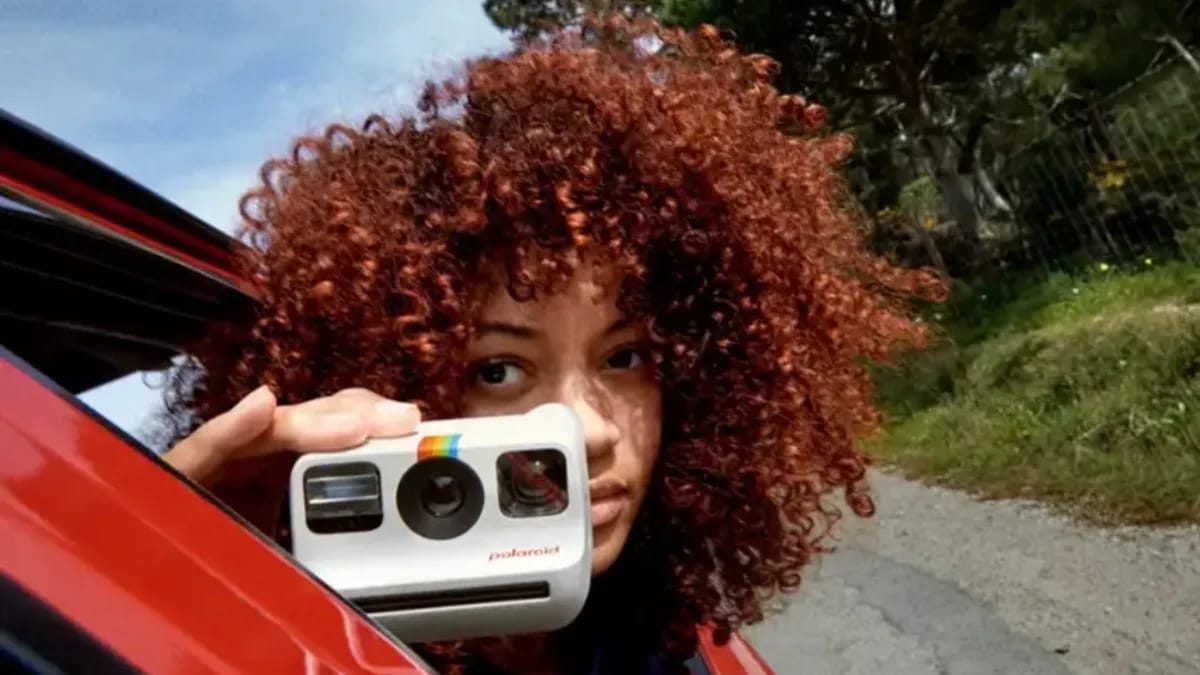
An instant camera is a portable photography device that captures and develops physical film prints internally immediately after the shutter is released. The Polaroid Go Generation 2 is a compact, modernized version of this technology designed to bridge the gap between vintage analog aesthetics and contemporary portability requirements.
Recent market data indicates that while smartphone cameras have achieved near-perfect digital fidelity, consumer interest in analog photography persists, with companies like Polaroid and Fujifilm reporting sustained demand for physical film media (Source: Statista, 2023). Currently, the Polaroid Go Generation 2 bundle—which includes the camera and a 16-photo film pack—is retailing for approximately $71.99, representing a significant discount from its $109.99 MSRP.
The Polaroid Go is specifically engineered for portability, featuring a footprint significantly smaller than the iconic Polaroid 600 series cameras. While traditional Polaroid film measures 88mm x 107mm, the Go series utilizes a proprietary, smaller film format measuring 53.9mm x 66.6mm. This reduction in scale makes the camera pocketable, addressing the primary usability complaint associated with legacy instant cameras: their bulky, cumbersome form factor.
Beyond size, the Generation 2 model integrates modern hardware standards that were absent in earlier iterations. Most notably, it features a USB-C charging port, allowing you to power the device using the same cables you likely use for your smartphone or laptop. According to Polaroid’s technical specifications, the internal lithium-ion battery is rated to support up to 15 packs of film on a single charge, which is sufficient for most casual outings or events (Source: Polaroid.com).
Instant photography operates on a razor-and-blade business model where the hardware is a one-time purchase, but the ongoing cost of film constitutes your primary long-term expense. When evaluating this $71.99 bundle, you must account for the fact that each photograph you take carries a per-shot cost that far exceeds digital storage.
Currently, a standard pack of Polaroid Go film retails for approximately $21.99 for 16 exposures, resulting in a cost of roughly $1.37 per physical photo. Before committing to an instant camera, assess your usage frequency. If you intend to use the camera for daily snapshots, your annual film budget could easily exceed the initial cost of the camera. To minimize this, look for bundled deals where the film is included, as the current $71.99 price point effectively prices the camera hardware at a significant discount relative to buying the components separately.
Keep exploring
More from GroundworkIf your primary goal is high-resolution, sharp, and color-accurate photography, an instant camera will not outperform your smartphone. The Polaroid Go uses analog chemical development, which is inherently prone to light leaks, color shifts, and lower dynamic range compared to modern digital sensors. You should view the Polaroid Go not as a tool for documentation, but as a tool for experience.
Digital images are often forgotten in cloud storage, whereas instant film provides a tangible, unique object that cannot be perfectly replicated. The limitations of the camera—such as the fixed-focus lens and manual exposure settings—are features rather than bugs. They force a more deliberate approach to composition. If you value the "one-shot" nature of film and the physical artifact it produces, the technical limitations of the Polaroid Go are likely acceptable compromises.
You should consider purchasing an instant camera if you are looking to disconnect from digital workflows or need a low-stakes creative outlet. The Polaroid Go is particularly well-suited for social gatherings, scrapbooking, or creating physical mementos for your workspace. It is not, however, a replacement for a functional camera used for professional or high-quality archival photography.
When evaluating a purchase, follow these three criteria:
- Usage frequency: If you plan to take more than five photos per week, ensure you have the budget to support the ongoing cost of film packs.
- Portability needs: If you find standard instant cameras too heavy to carry in a bag or coat pocket, the Go’s 53.9mm x 66.6mm film format provides the necessary physical convenience.
- Charging convenience: Prioritize models with USB-C integration to avoid the need for proprietary batteries or specialized charging cradles that often become obsolete.
By focusing on the tactile experience rather than the technical output, you can determine if the investment in a Polaroid Go aligns with your personal photography goals. If you decide the price point of $71.99 is reasonable, ensure you are buying from an authorized retailer to guarantee that the film packs are fresh and properly stored, as chemical film is sensitive to temperature and age.