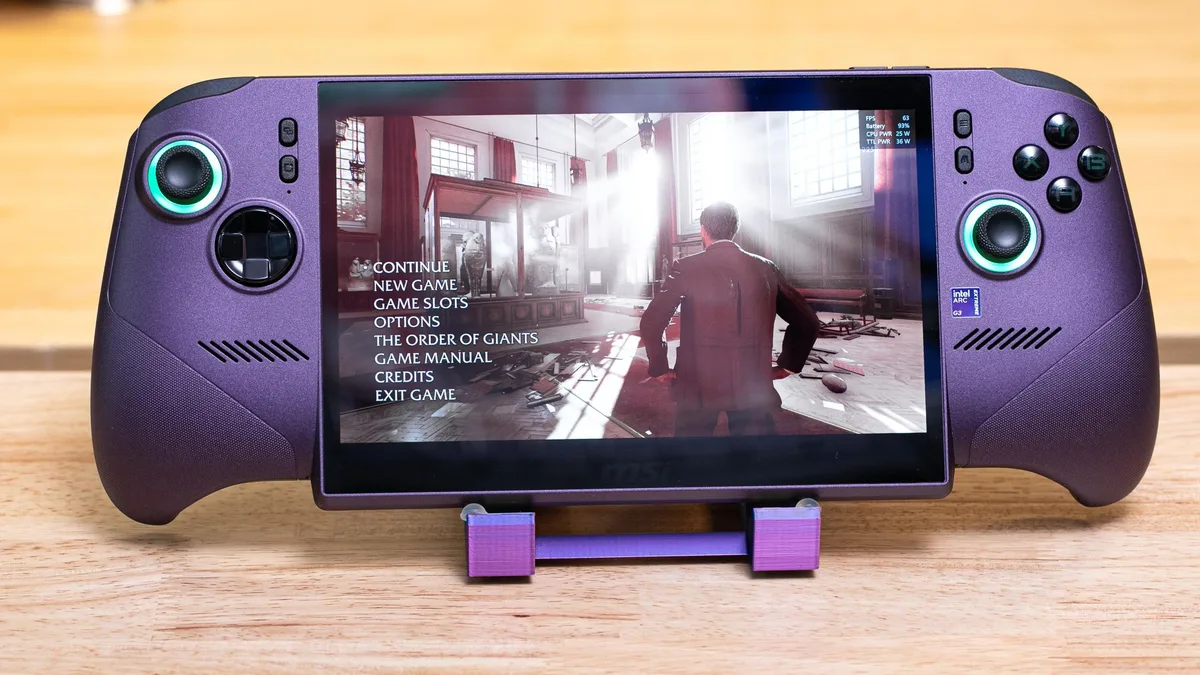
A gaming handheld is a portable computer designed specifically to play PC games, often featuring integrated controllers and a dedicated display. The MSI Claw 8 EX AI Plus represents a significant attempt by Intel and MSI to compete with the Steam Deck by leveraging next-generation chip architecture to solve the persistent issues of battery life and system stability found in earlier Windows-based portable devices.
Recent benchmarks indicate that the transition to Intel’s latest silicon architecture provides a notable improvement in thermal efficiency, allowing the device to maintain higher frame rates while consuming less power than its predecessors. While the device shows promise, the decision to purchase one depends on your tolerance for the inherent complexities of running a Windows-based operating system on a handheld form factor.
The MSI Claw 8 EX AI Plus is a more powerful and power-efficient alternative to the Steam Deck, but it does not replicate the seamless, console-like experience of Valve’s platform. While the Claw excels in raw performance and hibernation stability, the Steam Deck remains the industry benchmark for software integration and user experience, according to reports from The Verge and PC Gamer.
If you prioritize raw hardware capability and Windows compatibility, the Claw offers a technical advantage. However, the Steam Deck’s SteamOS provides a more stable interface that requires significantly less troubleshooting. For most users, the choice comes down to whether you prefer a "plug-and-play" console experience or a highly customizable, albeit more complex, portable PC environment.
The primary differentiator for the MSI Claw 8 EX AI Plus is the inclusion of a next-generation Intel processor designed specifically to address the power-draw issues that plagued the original MSI Claw. Previous iterations struggled with high thermal output and erratic battery drain, which limited their viability as truly portable devices.
Keep exploring
More from GroundworkAccording to technical analysis by MSI and independent hardware testers, the new chip architecture optimizes the power-to-performance ratio, allowing for longer sessions away from a wall outlet. Furthermore, MSI has refined the physical chassis and input layout, making the device more ergonomic for long-term use. These structural changes, combined with improved firmware, aim to make the device feel more like a cohesive product rather than a prototype.
Windows remains the most significant hurdle for any handheld device because it was designed for desktop interaction rather than touch-based, controller-first navigation. While the MSI Claw 8 EX AI Plus benefits from the versatility of Windows—allowing you to install any game launcher or software—it inherits the OS's tendency for background updates, driver conflicts, and interface clunkiness.
Despite these challenges, the Claw has made strides in sleep-wake functionality. Historically, Windows handhelds failed to enter and resume from "sleep" mode reliably, often resulting in battery drain or system crashes. The Claw 8 EX AI Plus manages this better than most competitors, though it still requires periodic system maintenance, driver updates, and occasional "tweaking" of settings to ensure optimal game performance.
You should buy the MSI Claw 8 EX AI Plus if you are a power user who requires Windows compatibility, has experience managing PC drivers, and wants the latest Intel hardware. If you are a casual gamer looking for a device that works instantly without manual configuration, the Steam Deck or a similar console-focused device is the more practical choice.
To make an informed decision, follow these steps:
- Assess your game library: If your games are primarily on Steam, consider if you need the extra power of the Claw or if the Steam Deck’s interface is sufficient.
- Evaluate your comfort with Windows: Are you prepared to manage updates and occasional system errors? If not, avoid Windows-based handhelds.
- Compare total cost: Factor in the cost of the device plus any necessary accessories like a high-speed microSD card or a protective case.
- Check return policies: Always purchase from a retailer with a transparent return policy, as hardware preferences in handhelds are highly subjective.