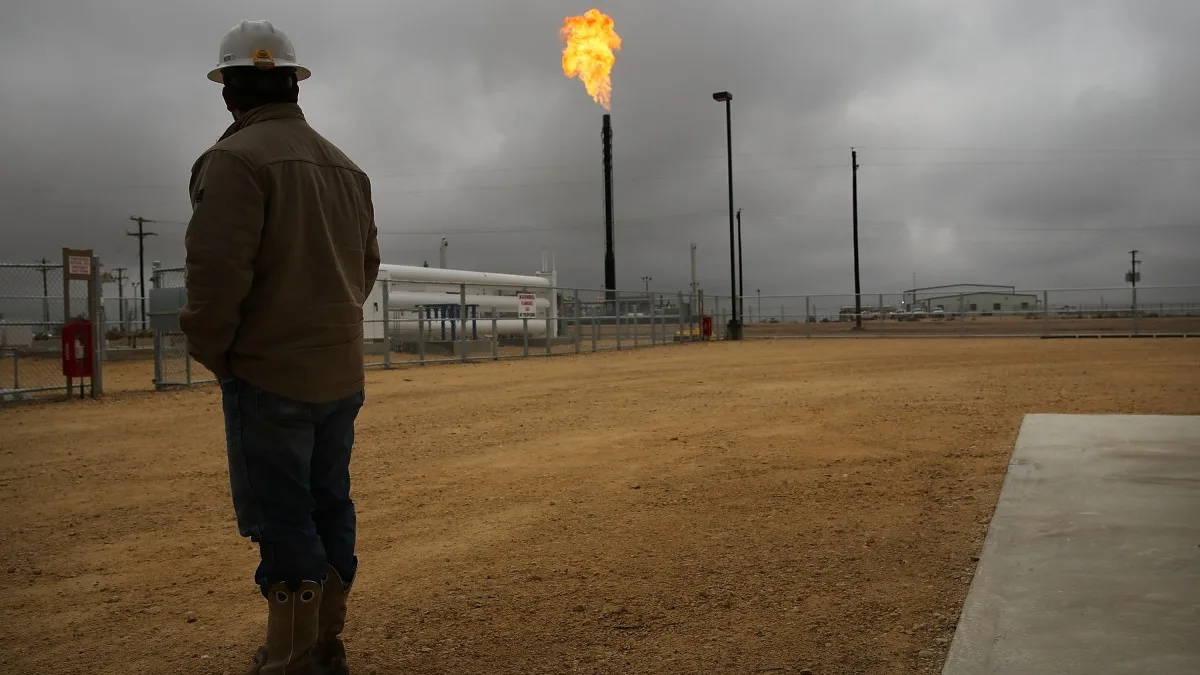
Hyperscalers are building natural gas plants to power AI, but rising fuel prices could lead to massive operational cost spikes and financial instability.
Based on reporting by TechCrunch. Research, structure, and fact-checking by Groundwork.
Hyperscalers are increasingly betting on natural gas to power AI data centers, but experts warn that supply constraints could triple fuel prices. This creates significant financial risk, as fuel costs represent half of power production expenses. Companies should hedge fuel costs and prioritize energy diversification to protect against potential volatility.
While natural gas prices have remained relatively stable due to flat demand and consistent supply growth over the last few years, this market equilibrium is fragile. Peter Gardett, CEO of Noreva, suggests that the market has been lulled into a sense of complacency, ignoring simple arithmetic regarding future supply and demand (TechCrunch, 2026). As hyperscalers increase their load, they are entering the energy market at the exact moment that declining production at older wells and rising liquefied natural gas (LNG) exports are expected to tighten supply. Relying on current futures contracts as a predictor for long-term operational costs may be a strategic oversight for firms unaccustomed to managing commodity price risk.
Investors are already expressing concern regarding the level of risk these companies are accepting. By taking on the role of both power plant operator and fuel consumer, hyperscalers are exposed to "basis risk"—the risk that the local price of gas at their specific plant location will decouple from national benchmarks. To mitigate these risks, hyperscalers should:
Tech companies are building their own plants because the electricity demand for AI data centers is outpacing the capacity of existing local utility grids. By building dedicated natural gas facilities, they ensure a consistent, high-capacity power supply that would otherwise be unavailable.
The primary risk is commodity price volatility. Because fuel constitutes nearly half the cost of electricity generation, a significant rise in gas prices—driven by supply shortages or export demand—would directly increase the cost of running AI services.
No, experts at Noreva suggest that current stability is likely temporary. Increased demand from data centers, combined with declining production from older wells and high volumes of natural gas exports, could cause prices to rise significantly above current market levels.
If hyperscalers' private power plants become too expensive to run, these companies may shift their demand back to the public electrical grid. This sudden influx of demand can increase electricity prices for all other users on the grid.
Comedian Chloe Radcliffe is reframing the conversation on infidelity by moving beyond moral judgment to explore the psychological patterns behind cheating.
Learn how to evaluate SSD deals by focusing on read/write speeds, interface types, and price-per-gigabyte to ensure you get value for your hardware investment.
Learn how to choose the right television by comparing OLED and LED technologies, identifying real price discounts, and verifying essential gaming features.