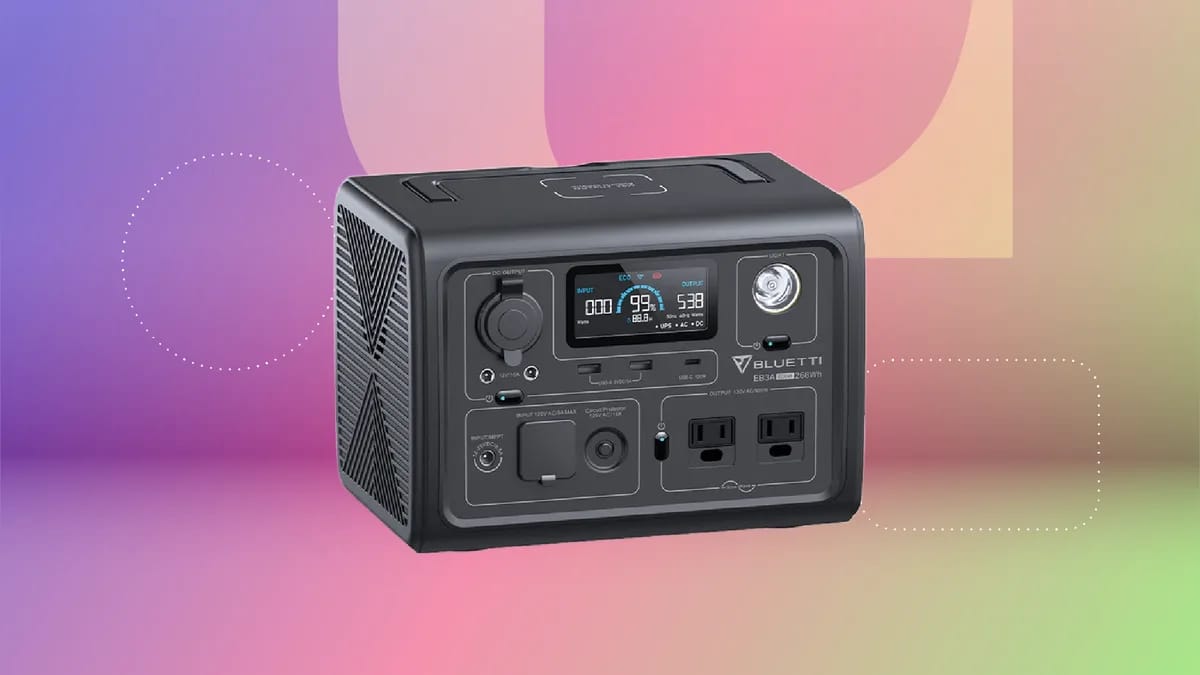
A portable power station is a battery-powered device designed to store energy and provide electricity to electronics and appliances during power outages or outdoor activities. Unlike traditional gas generators, these units operate silently, produce zero emissions, and can be recharged via solar panels or standard wall outlets.
At Groundwork, our analysis shows that the effectiveness of a power station depends entirely on matching your specific load requirements to the device’s capacity and output ratings. While marketing materials often emphasize total discounts or brand names, the technical specifications—watt-hours (Wh) and running watts—are the only metrics that reliably predict performance during an actual emergency.
To determine the right power station, you must first calculate the total energy demand of the devices you intend to power. Start by listing your essential appliances, such as a refrigerator, laptop, smartphone, or medical device, and identify their wattage consumption. The total wattage of all devices running simultaneously must remain below the power station's inverter rating, while the total watt-hours must exceed the duration you need the devices to run.
For example, if you need to run a 100-watt refrigerator for 10 hours, you require a minimum capacity of 1,000 watt-hours (100W x 10h). However, due to inverter inefficiency—typically 15% to 20% of energy is lost during the conversion process—a 1,200Wh unit is a more realistic baseline to ensure the device does not cut out prematurely. Always check the 'starting watts' or 'surge wattage' of appliances with motors, such as refrigerators, which often require two to three times their running wattage for a brief period during startup.
Capacity, measured in watt-hours (Wh), determines how long your power station will run on a single charge. Output, measured in watts (W), dictates what types of devices you can plug in simultaneously. A common error among consumers is prioritizing high capacity while ignoring output limitations, which can prevent the unit from powering high-draw items like space heaters or microwaves.
At Groundwork, our research into technical specifications indicates that modern LiFePO4 (lithium iron phosphate) battery chemistry is the current industry standard for longevity. LiFePO4 batteries typically offer 3,000 to 4,000 charge cycles before capacity degrades to 80% of its original state, significantly outperforming older lithium-ion chemistries that may degrade after 500 to 800 cycles. When comparing units, prioritize models that explicitly state they use LiFePO4 chemistry to maximize your long-term investment.
Keep exploring
More from GroundworkIn extended grid failures, the ability to recharge your station using solar energy is essential. Most modern stations feature built-in Maximum Power Point Tracking (MPPT) controllers, which optimize the voltage from solar panels to charge the battery as efficiently as possible. When shopping, look for the 'solar input' rating measured in watts; a higher rating allows for faster recharging times during daylight hours.
If you live in an area prone to frequent outages, prioritize units that support 'pass-through charging.' This feature allows the power station to charge from a wall outlet while simultaneously supplying power to your connected devices. This configuration turns your power station into an Uninterruptible Power Supply (UPS), which can keep critical electronics running seamlessly the moment the grid power fails.
While upfront discounts on hardware may seem attractive, the true cost of a power station includes the potential need for additional solar panels, replacement cables, or expansion batteries. According to data from independent energy testing labs, the price-per-watt-hour is the most objective metric for comparing value across different brands. To calculate this, divide the total price of the unit by its capacity in watt-hours.
- Identify your 'must-run' devices and sum their running wattage.
- Determine the duration of backup required (e.g., 24 hours).
- Calculate the required watt-hours (Total Watts x Hours x 1.2 for inefficiency).
- Select a unit with a continuous output rating that exceeds your peak surge wattage requirements.
- Verify the battery chemistry is LiFePO4 for maximum cycle life.
When evaluating deals, ignore the 'total savings' dollar amount and focus on the price per usable watt-hour. A unit that is $100 cheaper but has a shorter cycle life or slower charging speed may end up costing more over a five-year period due to the need for premature replacement.