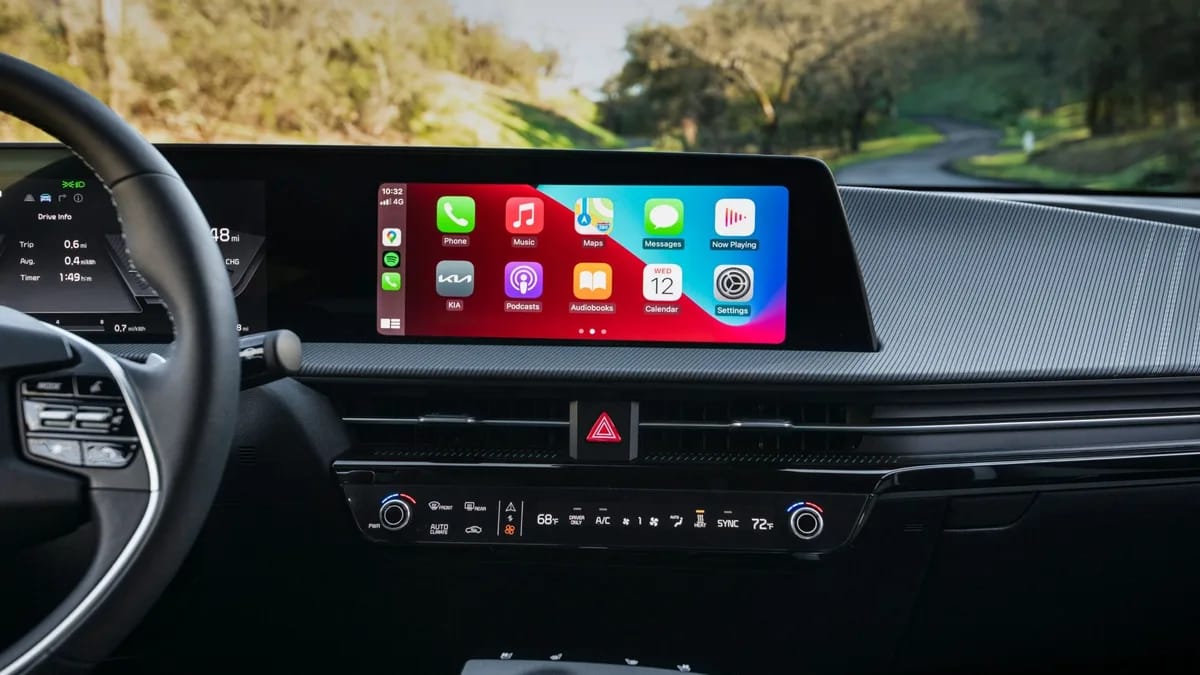
An over-the-air (OTA) update is a wireless software transmission that modifies or repairs a vehicle's onboard computer systems without requiring a physical visit to a dealership. This technology allows manufacturers to patch safety defects, improve performance, and add features remotely, effectively turning a car into a digital device that evolves after purchase.
At Groundwork, our analysis shows that the shift toward software-defined vehicles has fundamentally altered the automotive recall landscape. According to the National Highway Traffic Safety Administration (NHTSA), manufacturers have increasingly utilized OTA technology to address safety-critical issues, reducing the logistical burden on both consumers and service centers. While this provides significant convenience, it also introduces new complexities regarding cybersecurity and digital reliability.
The OTA recall process operates through an integrated vehicle telematics system that connects to the manufacturer’s cloud servers via cellular data. When a manufacturer identifies a software-based safety issue, they push a cryptographically signed update package to the vehicle's gateway module, which then distributes the patch to the relevant electronic control units.
- Identification: Engineers identify a software bug or performance deficiency that constitutes a safety risk.
- Validation: The manufacturer tests the software patch across various vehicle hardware configurations to ensure stability.
- Transmission: The update is sent wirelessly to the vehicle's onboard communication module, often while the car is parked.
- Installation: The vehicle prompts the user to initiate the update or performs it automatically during a dormant cycle, typically requiring the car to be in 'park' with sufficient battery charge.
- Verification: The vehicle reports the successful installation back to the manufacturer’s servers, closing the loop on the recall requirement.
This process mirrors the update cycle of modern smartphones. However, because vehicle systems are far more complex and safety-critical, the validation phase is significantly more rigorous to prevent 'bricking'—a scenario where a failed update renders the vehicle inoperable.
The primary benefit of OTA recalls is the dramatic increase in completion rates compared to traditional physical recalls. Traditional recalls require owners to schedule appointments, travel to dealerships, and wait for service, which often results in lower compliance rates. Data suggests that remote updates can achieve completion rates exceeding 90% in a fraction of the time required for physical repairs.
Beyond speed, OTA updates allow for continuous improvement. As seen in the 2018 Tesla Model 3 case, where braking distances were reduced by 19 feet through software alone, manufacturers can optimize mechanical performance without replacing physical parts. This capability effectively extends the lifecycle of the vehicle, ensuring that safety standards remain current long after the car has left the assembly line.
Keep exploring
More from GroundworkWhile remote repairs are efficient, they introduce unique vulnerabilities, primarily concerning cybersecurity and data integrity. If a vehicle’s communication gateway is compromised, a malicious actor could theoretically push unauthorized software, potentially disabling safety features or gaining control over vehicle functions. Consequently, the industry has adopted stringent encryption standards to secure the 'handshake' between the vehicle and the manufacturer's server.
Additionally, there is the risk of software regressions. A patch designed to fix one issue may inadvertently introduce a bug in an unrelated system, such as infotainment or battery management. Groundwork's analysis suggests that as vehicles become more software-dependent, the margin for error in code deployment narrows. Consumers must remain vigilant, ensuring that updates are only installed from verified, official sources and that the vehicle’s battery remains stable during the process to avoid interruptions.
Modern vehicle owners should proactively manage their vehicle's digital health to ensure they receive critical safety patches. Most manufacturers provide a dedicated portal or mobile application where you can check for pending software updates and confirm whether your vehicle’s firmware is current.
To stay informed, follow these steps:
- Register your vehicle: Always register your VIN with the manufacturer’s official owner portal to receive direct notifications regarding recalls.
- Enable automatic updates: If your vehicle offers an 'automatic' or 'scheduled' update setting, enable it to ensure critical patches are applied without delay.
- Check the NHTSA database: Regularly input your VIN at the official NHTSA recall website to see if any safety-related recalls exist for your model, regardless of whether they are slated for an OTA fix or a physical repair.
- Review release notes: Before installing a major update, review the manufacturer’s release notes to understand what systems are being altered.
By treating your vehicle's software with the same care as your computer or phone, you can leverage the benefits of OTA technology while mitigating the risks of neglected digital maintenance.