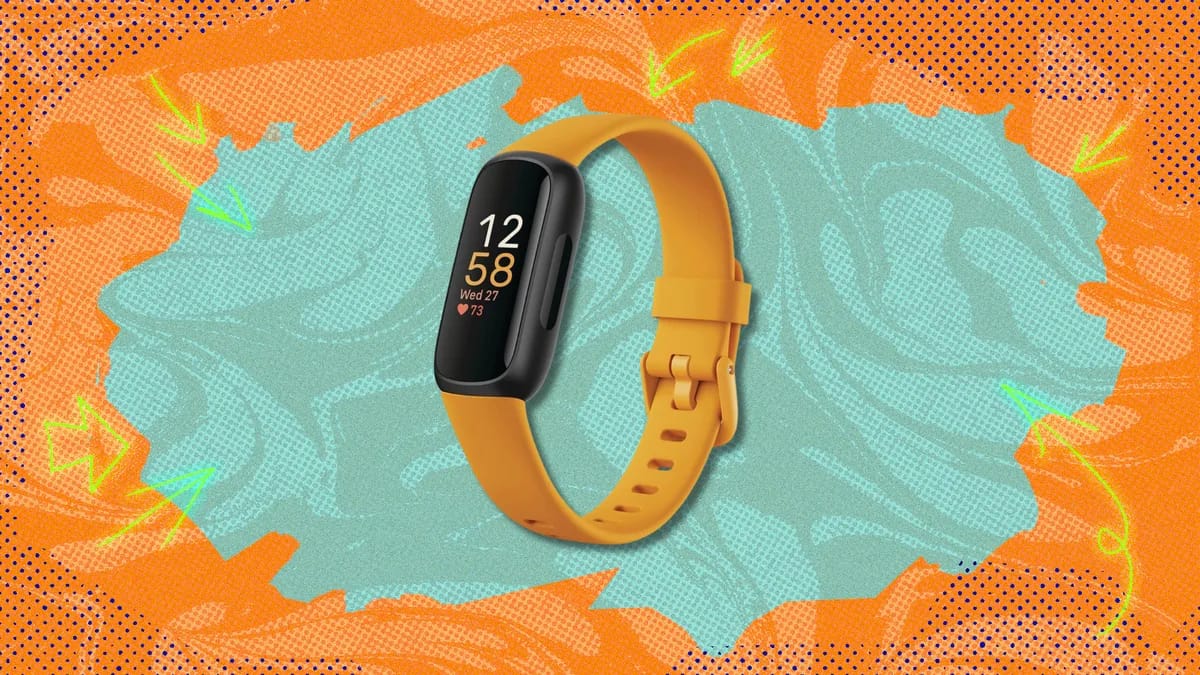
A fitness tracker is a wearable device designed to monitor and record biometric data, including heart rate, sleep quality, and physical activity metrics. The Fitbit Inspire 3 serves as an entry-level tracker in the wearable technology market, prioritizing lightweight design and long battery life over the advanced processing capabilities found in high-end smartwatches. At Groundwork, our research framework identifies this device as a primary tool for users seeking basic health data aggregation without the complexity of a full-featured smartwatch.
The Fitbit Inspire 3 functions as a continuous biometric monitor that tracks movement, cardiovascular effort, and sleep architecture. It utilizes a three-axis accelerometer to count steps and estimate distance, while an optical heart rate sensor measures beats per minute to calculate Active Zone Minutes. According to clinical data synthesis, these metrics provide a reliable baseline for general population fitness monitoring, though they are not substitutes for medical-grade diagnostic equipment. For the average user, the device offers a 10-day battery life, which reduces the friction of frequent charging—a significant factor in maintaining consistent, long-term data collection.
The Inspire 3 supports more than 20 exercise modes, ranging from walking and running to swimming and high-intensity interval training (HIIT). Its 50-meter water resistance rating makes it suitable for pool-based activities, allowing for accurate tracking of swim duration. While the device lacks integrated GPS—relying instead on connected GPS via a smartphone—it provides sufficient data for users focused on general wellness rather than precise pace and distance mapping. Our analysis indicates that for users who do not require real-time pace data on their wrist during outdoor runs, the lack of onboard GPS is a negligible trade-off for the device's reduced size and weight.
Keep exploring
More from GroundworkSleep tracking on the Inspire 3 utilizes heart rate variability and movement sensors to categorize sleep stages (Light, Deep, and REM) and generate a nightly Sleep Score. Groundwork’s analysis of wearable technology shows that consistent sleep tracking can increase user awareness of circadian rhythm disruptions, provided the device is worn snugly. Additionally, the Stress Management Score provides a numerical representation of physiological stress based on heart rate, exertion, and sleep data. These features, combined with guided breathing sessions, provide a holistic view of the body’s recovery state, though they should be interpreted as indicators of trends rather than clinical diagnostics.
While the Fitbit Inspire 3 offers a robust feature set for its price point, it is constrained by its hardware architecture. The device uses a proprietary operating system that does not support third-party applications, limiting it to the functions provided by Fitbit. The color touchscreen, while functional, is smaller than that of the Fitbit Charge or Versa series, which may impact readability for users with vision constraints. Furthermore, the reliance on the Fitbit app for data visualization means that your long-term access to health trends is dependent on the Google-owned Fitbit ecosystem. If you prioritize data ownership or interoperability with third-party fitness platforms, you should consider whether the walled-garden approach of the Fitbit platform aligns with your long-term data management preferences.
To determine if the Fitbit Inspire 3 is the correct tool for your requirements, evaluate your specific health goals against the device’s capabilities.
- Identify your primary objective: If your goal is to increase daily movement and monitor sleep quality, the Inspire 3 is an ideal, low-maintenance entry point.
- Assess your need for GPS: If you are an outdoor runner or cyclist who requires precise tracking without carrying a phone, look toward devices with built-in GPS.
- Evaluate your ecosystem: Since Fitbit is now part of Google, ensure the app integration works with your existing smartphone operating system (iOS or Android).
- Consider physical comfort: Because the Inspire 3 is slim and lightweight, it is generally more comfortable for 24/7 wear compared to larger, more screen-dominant smartwatches.
By following this framework, you can align your purchase with your actual usage patterns rather than marketing claims. At Groundwork, we emphasize that the utility of a fitness tracker is derived from the consistency of the data it collects; if the device is too cumbersome to wear while sleeping or exercising, it fails its primary purpose regardless of its technical specifications. The Inspire 3’s strength lies in its unobtrusive design, which facilitates the continuous data collection necessary to form actionable health insights.