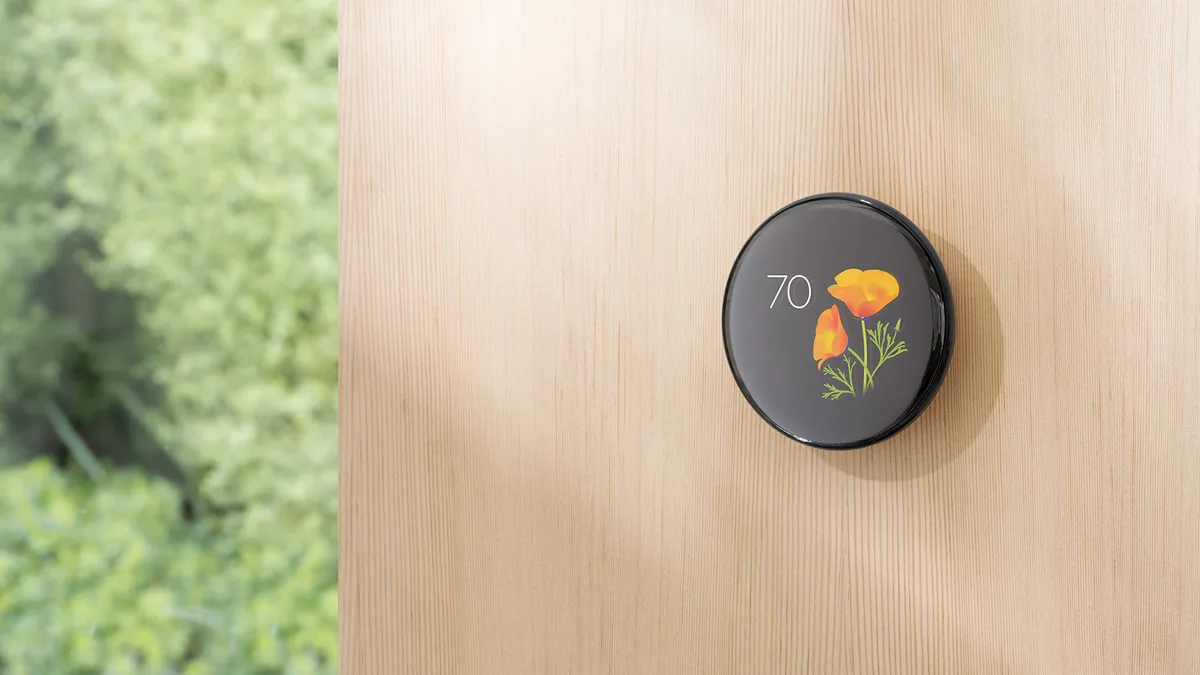
A smart home device is any piece of hardware that connects to your Wi-Fi network, allowing you to control or automate home functions through a smartphone app, voice command, or automated schedule. These devices serve as the foundation for modern home management, ranging from simple power switches to complex security systems.
According to industry research, the global smart home market is projected to reach over $200 billion by 2028, driven by increased adoption of voice assistants and energy-efficient automation (Statista). Selecting the right device requires balancing feature sets, platform compatibility, and long-term subscription costs.
The Amazon Echo Studio (2025 model) is currently the top-performing smart speaker for audio quality, featuring advanced spatial audio capabilities and room-sensing technology. It provides a significant upgrade over standard smart speakers by automatically calibrating its output to the acoustics of your room, ensuring balanced sound regardless of placement.
While the Echo Studio excels in sound, it is important to note that Amazon’s advanced "Alexa Plus" features often require a monthly subscription. If you are deeply integrated into the Google ecosystem, the new Google Home Speaker serves as a robust alternative. It utilizes the Gemini AI engine to handle complex voice queries more effectively than previous generations, though advanced AI features may eventually move behind a paywall.
The Google Nest Hub Max remains the industry standard for smart displays, primarily due to its sophisticated integration of Gemini for Home. This device acts as a central command center for your smart home, providing visual feedback for security cameras, calendar alerts, and smart lighting controls in a single interface.
When choosing a smart display, consider the trade-offs regarding privacy and hardware. The Nest Hub Max offers excellent gesture controls and sleep tracking, but it intentionally omits a camera for video calls to prioritize user privacy. Always verify if the sleep tracking features have transitioned to a subscription-based model before purchasing, as manufacturers frequently update their pricing structures for health-related data services.
Keep exploring
More from GroundworkSmart plugs are the most cost-effective entry point for smart home automation, allowing you to control "dumb" appliances like lamps, fans, or coffee makers remotely. The TP-Link Kasa Smart Plug Mini is highly regarded for its compact design, which prevents it from blocking adjacent outlets, and its reliable performance across major smart home platforms.
To maximize the utility of your smart plugs, follow these steps:
- Download the manufacturer's app and connect the plug to your 2.4GHz Wi-Fi network.
- Name the device according to the appliance it controls (e.g., "Living Room Lamp").
- Integrate the plug with your primary voice assistant (Alexa, Google Home, or Siri) to enable voice commands.
- Create automated schedules within the app to turn devices off when you are away to save energy.
Be aware that not all smart plugs are compatible with every ecosystem. For example, some budget-friendly options, like the Kasa Mini, lack native Apple HomeKit support, requiring third-party bridges if you use an iPhone-centric home setup.
Smart floodlight bulbs, such as the GE Cync Dynamic Effects BR30, allow for granular control over the color temperature and intensity of your indoor lighting. These devices use LED technology to provide energy savings compared to traditional incandescent bulbs while offering the flexibility to change the atmosphere of a room instantly.
These bulbs use a four-quadrant color system, which provides more precise color blending than standard RGB bulbs. While they represent a higher upfront cost compared to basic smart bulbs, they offer significant value for users looking to sync lighting with entertainment systems or specific daily routines. Ensure your existing fixtures are compatible with the BR30 form factor before purchasing to avoid installation issues.