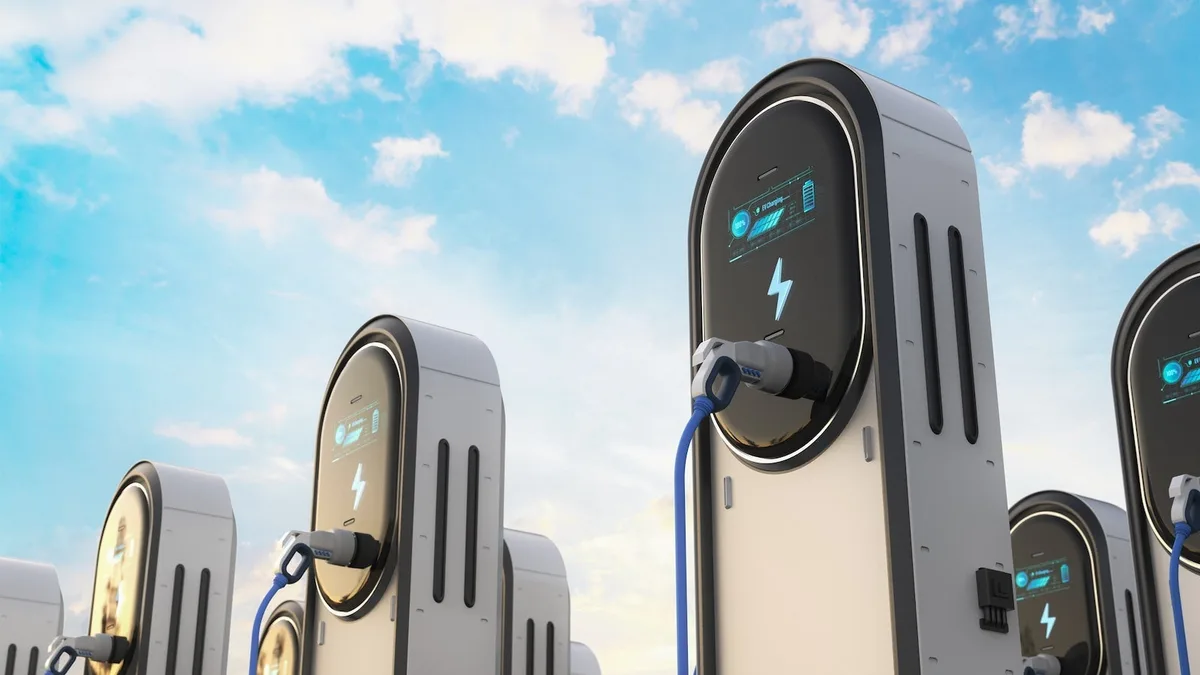
An electric vehicle (EV) charging credit card is a financial product that offers elevated cash back or reward points specifically for transactions at public electric vehicle charging stations. As EV adoption grows, these cards help offset the recurring costs of public charging by turning a necessary utility expense into a vehicle for earning travel rewards or statement credits.
According to the U.S. Department of Energy, the number of public charging ports in the United States has increased significantly, with over 160,000 public charging ports currently available to drivers (Alternative Fuels Data Center, 2024). Because these costs can accumulate quickly for commuters, choosing the right payment method is a practical way to lower your total cost of ownership.
You maximize rewards at charging stations by using a card that categorizes EV charging as a bonus spending category, typically offering between 3% and 6% back. To ensure you receive these benefits, confirm that your specific charging network is correctly coded as a utility or transportation expense by your card issuer.
Not all cards treat charging stations as a bonus category. Some credit card issuers automatically categorize these as "gas stations" or "utilities," while others may treat them as general "other" spending. Before committing to a card, check the issuer’s merchant category codes (MCCs) or verify through community forums where other EV owners report their experiences with specific cards at major networks like Electrify America, ChargePoint, or EVgo.
The Bank of America® Customized Cash Rewards credit card is currently one of the most consistent options, offering 3% cash back in a category of your choice, which includes online shopping, dining, drug stores, or gas and EV charging stations. You can earn this rate on up to $2,500 in combined choice category purchases each quarter.
Keep exploring
More from GroundworkFor those who prefer travel rewards over cash back, the Chase Sapphire Preferred® Card and the Citi Strata Premier® Card both earn 3 points per dollar spent on travel-related purchases. Many major charging networks are coded as travel or transit, making these cards strong earners for frequent public chargers. While these cards carry a $95 annual fee, the value of the flexible points often outweighs the cost if you use the card for other travel expenses.
Rotating category cards, such as the Chase Freedom Flex®, are useful for charging only if you have a secondary card to use when charging is not an active bonus category. These cards occasionally feature "gas stations and EV charging" as a 5% cash back category for a three-month window, but they revert to a 1% base rate once that period ends.
If you choose this route, follow these steps to manage your rewards effectively:
- Activate the category: Most rotating cards require you to log into your account portal each quarter to manually activate the bonus offer.
- Set a calendar reminder: Create a recurring alert to ensure you don’t miss the activation deadline.
- Track your spending cap: These cards usually limit the 5% rate to the first $1,500 spent per quarter; monitor your charging habits to avoid overspending beyond this threshold.
When evaluating a card for EV charging, you must weigh the annual fee against your actual charging spend to determine if the rewards justify the cost. A card with a $95 annual fee requires you to spend enough on bonus categories to clear that "break-even" point before you actually begin earning profit on your charging expenses.
If you charge your vehicle primarily at home, your charging costs will show up on your monthly electric utility bill rather than as a transaction at a public station. In this case, look for cards that offer bonus rewards for "utilities" rather than "gas or EV charging." Many cards that offer high rewards for public charging will not offer the same benefits for home utility payments, so verify your charging habits before applying for a new card.