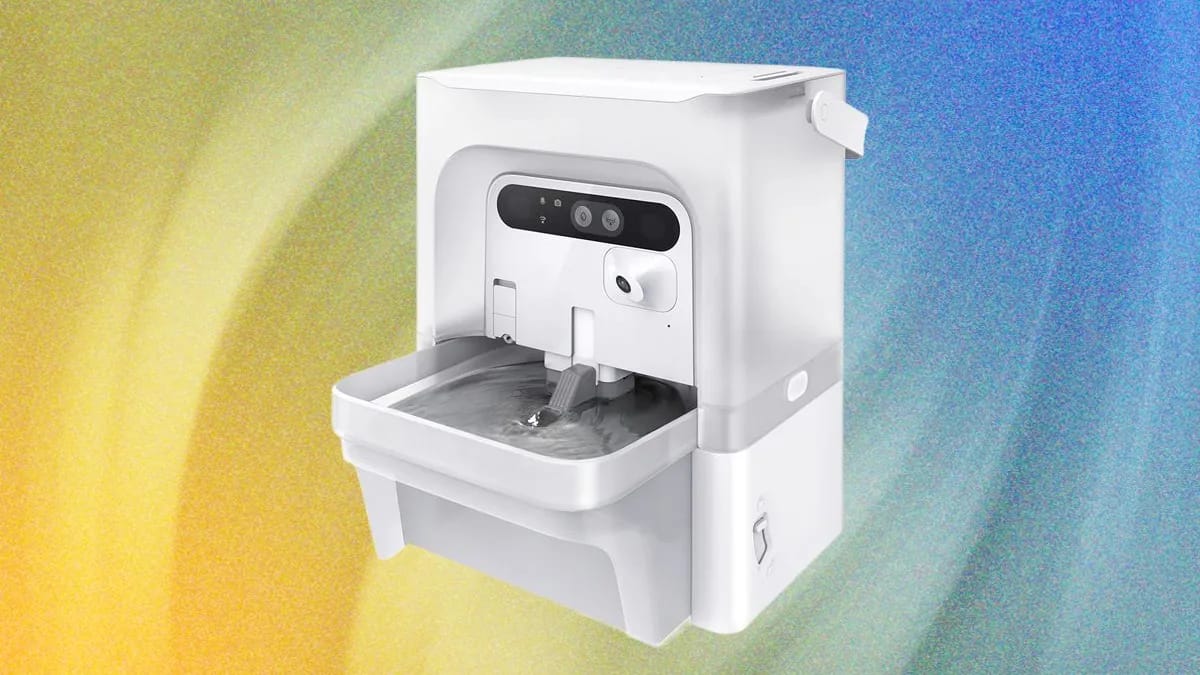
A cat water fountain is an automatic hydration device that circulates water through a filtration system to mimic the movement of natural streams. These devices encourage cats to drink more frequently by appealing to their ancestral instinct to avoid stagnant water, which in the wild, is often associated with bacterial contamination according to research from the Journal of Feline Medicine and Surgery.
Studies indicate that approximately 30% to 40% of cats develop chronic kidney disease as they age, making adequate hydration a critical component of feline preventative health. While standard water bowls are functional, they rarely entice cats to consume the volume of water required for optimal renal health. A high-quality fountain serves as both a tool for health maintenance and a convenience for owners seeking to reduce manual maintenance tasks.
Cat water fountains are hydration systems that utilize pumps and filters to keep water moving and oxygenated, which significantly increases feline water consumption. Because cats possess a low thirst drive, they often rely on the moisture content in their food to stay hydrated. Providing moving water acts as a sensory trigger that encourages cats to drink more often than they would from a stationary bowl.
Beyond simple hydration, fountains offer several practical advantages:
- Reduced bacterial growth: Stagnant water bowls can accumulate biofilm and airborne debris quickly. Most fountains include carbon or mechanical filters that continuously remove impurities.
- Improved taste: Aeration from the pump keeps water oxygenated, which many cats find more palatable than flat, room-temperature water.
- Monitoring capabilities: Many modern "smart" fountains provide app integration, allowing you to track how often your cat visits the fountain, which can serve as an early warning sign for health issues like diabetes or kidney dysfunction.
When evaluating a cat water fountain, prioritize construction materials, pump design, and maintenance requirements. Avoid plastic reservoirs if possible, as they are prone to developing microscopic scratches that harbor bacteria, regardless of how often you scrub them. Instead, prioritize stainless steel, ceramic, or glass basins.
Look for these three features before purchasing:
- Wireless pumps: Older models utilized wired pumps that were difficult to clean and prone to hair clogs. Wireless or magnetic-induction pumps are easier to detach and sanitize.
- Visual water level indicators: A transparent window or an LED light that changes color when the reservoir is low prevents the motor from running dry, which is the most common cause of pump failure.
- Filtration surface area: Ensure the filter covers a significant portion of the water flow path. A small, circular filter often misses debris that accumulates in larger basins.
Keep exploring
More from GroundworkHow to properly maintain your fountain
Proper fountain maintenance is mandatory to prevent the very health issues you are trying to avoid. Even with a high-end filtration system, you must perform a full deep clean at least every two weeks to remove slime and mineral buildup, according to veterinary standards for pet hydration equipment.
Follow these steps to keep your fountain safe:
- Disassemble the pump: Most pumps can be taken apart into three or four pieces. Use a small brush to remove debris from the impeller—the spinning part that drives the water.
- Soak components: Use a mixture of warm water and mild dish soap to soak the basin and plastic housing. For hard water buildup, a diluted white vinegar soak is effective at dissolving mineral deposits.
- Replace filters on schedule: Follow the manufacturer’s suggested replacement cycle, typically every 3–4 weeks. Using a filter beyond its lifespan can lead to charcoal leakage and bacterial accumulation.
- Sanitize the motor housing: Do not submerge the electrical cord or the base unit if it is not waterproof. Wipe these areas down with a pet-safe disinfectant.
Selecting a fountain depends on your budget and your desire for data. Premium models, such as the Petkit EverSweet Ultra, offer advanced features like AI cameras and automated deep-cleaning cycles that use heat to sterilize the water. These are ideal for owners who are away from home frequently or those managing cats with specific health conditions.
For most households, a mid-range, cord-free stainless steel fountain provides the best balance of longevity and hygiene. These models typically cost between $40 and $80 and offer the same primary benefit—moving, filtered water—without the complexity of app connectivity. When evaluating products, prioritize the ease of cleaning over "smart" features. A fountain that takes ten minutes to disassemble will inevitably lead to neglect, which defeats the purpose of the device. Always check that replacement filters are readily available and affordable; the long-term cost of proprietary filters can often exceed the initial price of the unit within the first year of ownership.