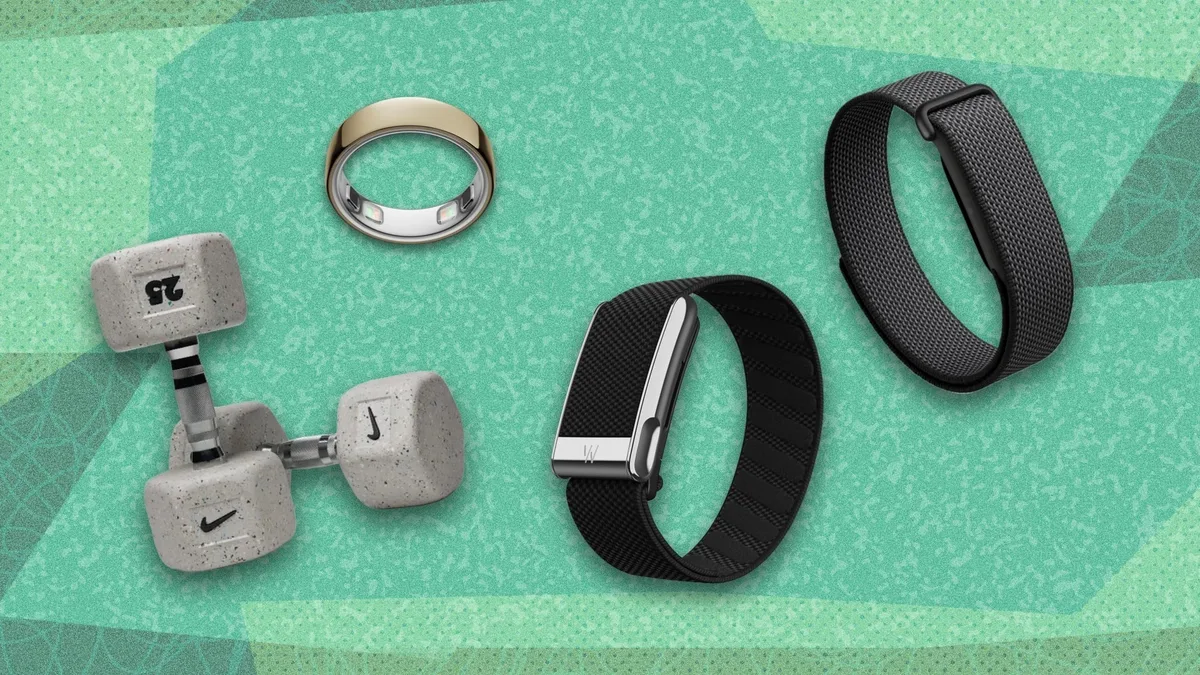
An HSA (Health Savings Account) or FSA (Flexible Spending Account) is a tax-advantaged financial account that allows you to pay for qualified medical expenses with pre-tax dollars. While many consumers assume these funds are limited to co-pays and prescriptions, they can often be used for fitness trackers, smartwatches, and other wellness devices if you obtain a Letter of Medical Necessity (LMN).
According to the IRS, medical expenses must be primarily for the alleviation or prevention of a physical or mental defect or illness to be considered qualified (IRS Publication 502). Because most fitness trackers are marketed for "general health" rather than specific medical treatment, they are not automatically eligible for reimbursement. However, if a device is prescribed by a physician to treat a diagnosed condition, such as obesity, hypertension, or heart disease, the expense may qualify as a medical necessity.
A Letter of Medical Necessity (LMN) is a formal document written by a licensed healthcare provider that certifies a specific product or service is essential for treating a diagnosed medical condition. Without this documentation, the IRS may classify your purchase as a personal expense rather than a medical one, potentially leading to tax penalties if you use pre-tax funds for an ineligible item.
To secure an LMN, you generally need to demonstrate that the device serves a clinical purpose. For example, a doctor might prescribe a heart rate monitor or a fitness tracker to help a patient manage recovery from a cardiac event or to track activity levels as part of a medically supervised weight-loss program. The LMN acts as your audit trail, proving that the device is a medical tool rather than a lifestyle accessory.
Third-party services like Truemed have streamlined the process of obtaining an LMN by connecting consumers with licensed practitioners who evaluate eligibility based on health surveys. When you shop at participating retailers, you may see an option at checkout to "Pay with HSA/FSA," which triggers an evaluation process. If you meet the criteria for a medical need, these platforms facilitate the issuance of an LMN, allowing you to use your pre-tax funds for the purchase.
Keep exploring
More from GroundworkThese platforms typically operate on a review model where an independent provider assesses your responses to questions regarding your health history and current medical needs. If the provider determines that the device is necessary for your care, they issue the LMN, which you then keep on file in case of an IRS audit. According to internal data reported by Truemed, a significant majority of these requests are processed within a few hours, significantly reducing the administrative burden compared to traditional medical office visits.
Not every fitness device qualifies for HSA or FSA reimbursement, even with an LMN. The IRS maintains strict guidelines regarding what constitutes a medical expense. Items used for general fitness, weight maintenance, or overall well-being—without a specific clinical diagnosis—are generally ineligible. You should focus on devices that track metrics directly relevant to your diagnosed condition, such as glucose monitors, blood pressure cuffs, or heart rate monitors that record data for your physician.
Before making a purchase, verify that the device provides the specific diagnostic data required to manage your condition. Using pre-tax funds for high-end wearables that lack a clear medical application increases the risk of the expense being rejected by your plan administrator or flagged during a tax audit. Always confirm your plan’s specific documentation requirements, as some administrators require the LMN to be uploaded before the transaction is approved.
- Confirm your condition: Ensure you have a documented medical need, such as high blood pressure or obesity, that justifies the use of a monitoring device.
- Check retailer eligibility: Look for retailers that integrate with LMN services or confirm that your specific HSA/FSA provider allows reimbursement for items with an LMN.
- Obtain the LMN: Use an integrated checkout service or consult your primary care physician to secure a signed letter detailing why the specific device is necessary for your health.
- Keep records: Save the LMN and your itemized receipt in a secure folder. If your plan administrator audits your account, this documentation is your proof that the purchase was a qualified medical expense.
- Monitor for changes: IRS guidelines on medical necessity can evolve. Review your plan’s summary of benefits annually to ensure your strategy remains compliant.