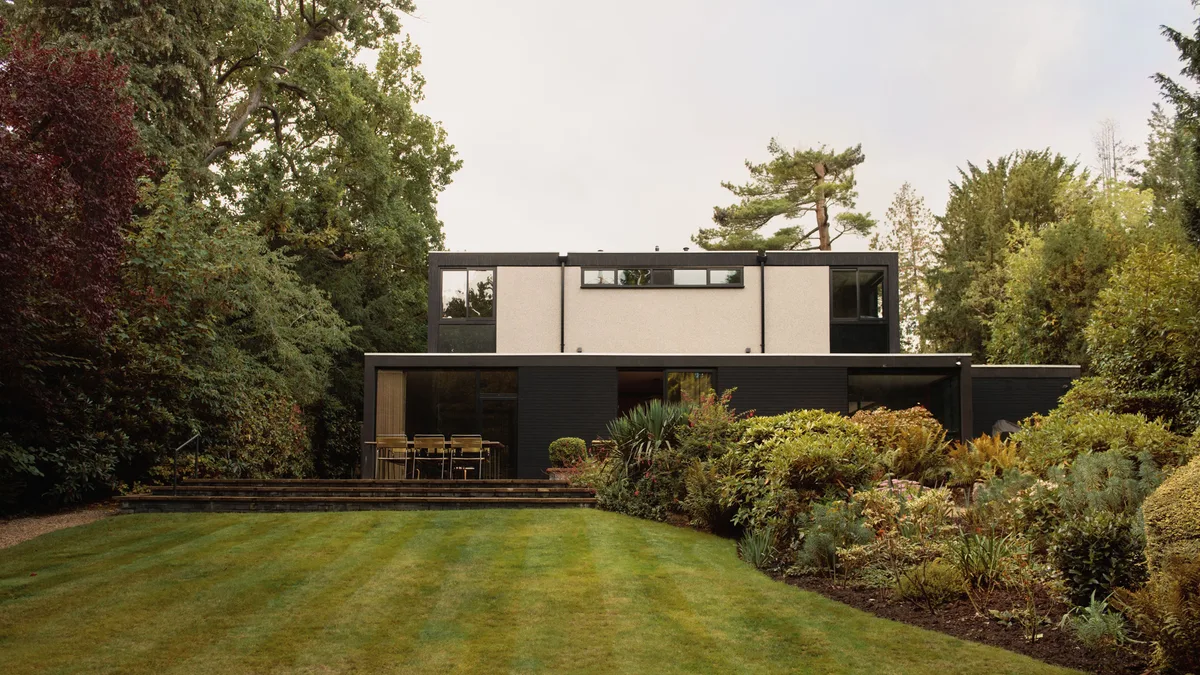
A midcentury modern home restoration is the process of updating a property to meet contemporary living standards while preserving the original architectural intent and historic materials. When working with homes designed in the mid-20th century, such as those by architects like Patrick Gwynne, the goal is to balance modern functionality with the preservation of period-specific features like terrazzo, wood paneling, and open floor plans.
According to the National Trust for Historic Preservation, midcentury modern structures often require specialized care because their experimental materials—such as early plastics, thin-set masonry, and specialized glass—frequently reach the end of their design life simultaneously. Proper restoration requires a blend of archival research and modern engineering to ensure the home remains habitable for the next 50 years.
Identifying historic features involves evaluating which elements define the home's original design language, such as exposed structural materials, built-in cabinetry, and unique flooring. In a Grade II listed property in the UK, or a designated historic site in the U.S., these elements are often legally protected, requiring owners to consult with preservation experts before making significant structural changes.
When assessing a midcentury home, look for these key indicators of architectural significance:
- Materiality: Check for original finishes like terrazzo, grooved pine paneling, and custom stonework. These materials often anchor the house to its era and are difficult to replicate authentically.
- Spatial flow: Midcentury homes are defined by their open-plan layouts and the integration of indoor and outdoor space. Avoid adding walls that disrupt the original "fluid" path between living, dining, and kitchen areas.
- Natural light: Floor-to-ceiling glass walls are a hallmark of this era. Preserve the original window profiles and glazing styles to maintain the intended light quality.
- Built-in furniture: Custom shelving, wall units, and seating are often integral to the architect’s vision. These should be restored rather than replaced, as they are essential to the home's original aesthetic.
Updating a midcentury home requires a "respectful renovation" strategy, which prioritizes the restoration of historic shell elements while layering in modern furniture, textiles, and lighting. This approach allows the home to function for a modern family without erasing the architectural history that made the property desirable in the first place.
To update your home while maintaining its historical integrity, follow these steps:
Keep exploring
More from Groundwork
- Establish a neutral foundation: Maintain original wall treatments, such as white-painted brick or wood paneling, to provide a consistent backdrop. Use these as your base before introducing new furniture.
- Incorporate period-appropriate materials: When replacing damaged surfaces, select materials that reflect the era. For example, use Verde Alpi marble or terrazzo for repairs, as these were common in 1950s and 60s high-end design (Architectural Digest, 2024).
- Use custom furniture to define spaces: Large, custom-made sofas or shelving partitions can define functional zones in an open floor plan without the need for permanent, intrusive construction.
- Layer with textures: Combine midcentury wood floors with soft, natural textiles like alpaca rugs or silk-blend curtains to add warmth and contrast, preventing the home from feeling like a museum.
- Curate lighting and accents: Integrate brass-toned fixtures or sculptural lamps that reflect the design trends of the midcentury period, which helps bridge the gap between historic architecture and modern living.
A neutral color palette is effective because it prioritizes the texture and structural honesty of the home's original materials over decorative trends. By keeping the background simple, you allow features like terrazzo stairs, marble shelving, and pine paneling to serve as the primary visual interest, rather than competing with bold wall colors.
According to design principles from Daytrip Studio, a rich yet simple palette creates a natural foundation that highlights the architectural bones of a midcentury structure. This strategy prevents the interior from feeling cluttered and ensures the home remains timeless. When you use materials like plant-fiber wall treatments or natural wood, you enhance the connection between the interior and the exterior garden, a key component of the midcentury modern philosophy.
Handling structural repairs in a midcentury home requires a focus on modern engineering that mimics original aesthetics, particularly for cantilevered structures or floor-to-ceiling glass systems. The primary challenge is that modern building codes often mandate higher insulation and safety standards than were present when the home was built.
When addressing structural concerns, owners should:
- Consult a structural engineer: Before altering any load-bearing walls or cantilevered sections, ensure you understand how the weight is distributed. Midcentury architects often used avant-garde techniques that are sensitive to even minor changes.