Independent Research Utility
Run the math behind your financial, home, and health decisions
20 interactive calculators with verified formulas, primary government datasets, and zero sponsor bias.
home
Sep 6, 202621 min read
Building An Emergency Kit? Don’t Get Caught Without These 4 RadioShack Essentials
Staying Prepared in Emergency Situations During an emergency, the critical first steps are to stay calm, assess the situation, and make a plan.


Updated: Sep 9, 2026
Original Groundwork Analysis & Fact-Check
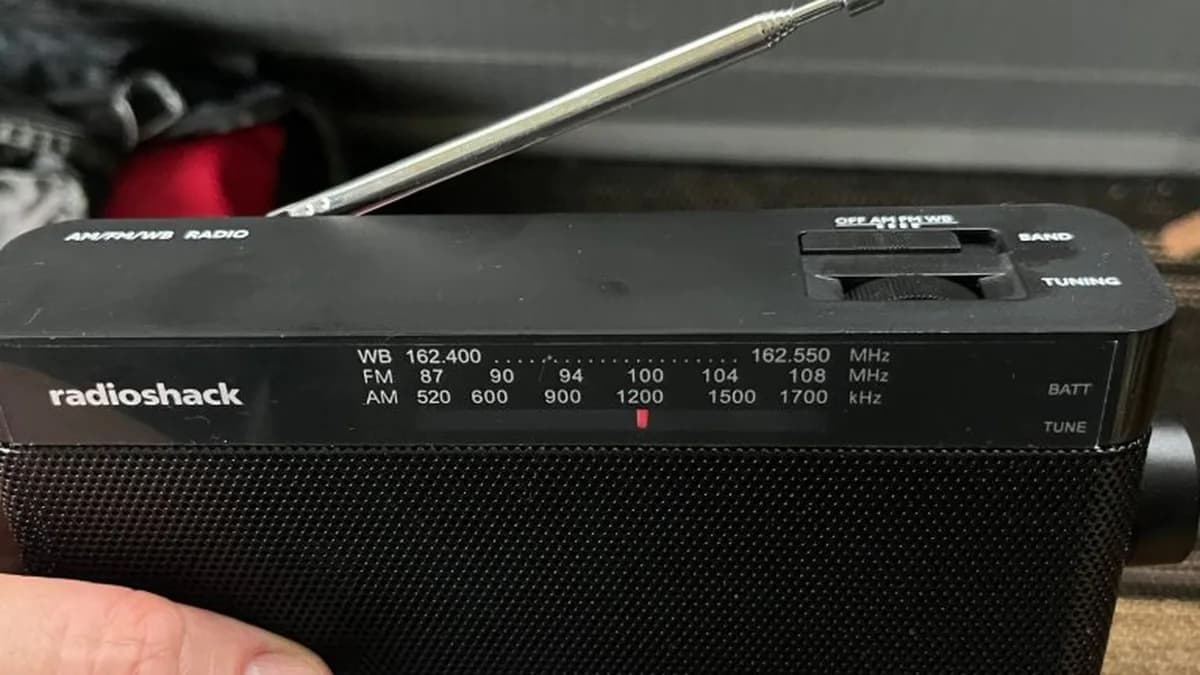
During an emergency, the critical first steps are to stay calm, assess the situation, and make a plan. According to editorial research analyzed by Groundwork, Having a grab-and-go emergency kit at the ready reduces stress, anxiety, and mistakes. RadioShack is a good source for specialty safety devices that can help you stay informed and comfortable during the uncertainty of emergencies.
- Stay informed with a weather radio.
- Illuminate emergencies with a powerful flashlight.
- Keep devices charged with a portable power bank.
- Stay connected with a pocket-size AM/FM radio.
Why RadioShack Essentials Matter
Equipping your emergency kit with RadioShack essentials ensures you have the necessary tools to stay informed, illuminated, and connected during crises. These devices can help you navigate through emergency situations with confidence and make informed decisions.
RadioShack Portable Weather Radio
A weather radio is a essential component of any emergency kit. The RadioShack Portable Weather Radio provides NOAA updates and includes AM/FM bands. This device allows you to stay informed about weather conditions, emergency alerts, and other critical information.
RadioShack 1088 Lumen LED Flashlight
A powerful flashlight is essential for illuminating emergencies. The RadioShack 1088 Lumen LED Flashlight offers 1,088 lumens and multiple modes. This rechargeable flashlight provides reliable light during power outages and other emergency situations.
RadioShack 20,000 mAh Portable Charger
The last thing you want to worry about in an emergency is whether or not your cell phone battery is charged. The RadioShack 20,000 mAh portable charger answers the call. It has three power ports, including one USB-A (out), one USB-C (out), and one USB-C (in/out), to power multiple devices simultaneously. The LCD screen displays the charge status and output wattage.
RadioShack Portable AM/FM Pocket-Size Radio
Staying connected and informed is essential during emergencies. The RadioShack Portable AM/FM Pocket-Size Radio is a compact and durable device that offers high-quality sound and long battery life. This pocket-size radio runs on 2 AA batteries and includes a durable back clip for added security.
Assembling Your Emergency Kit
Assembling your emergency kit requires careful consideration of the essential devices you need to stay informed, illuminated, and connected. Here are some steps to help you get started:
- Identify your emergency kit needs: Determine the types of emergencies you may face in your area and the devices you need to stay prepared.
- Choose a weather radio: Select a weather radio that provides NOAA updates and includes AM/FM bands.
- Select a powerful flashlight: Choose a rechargeable flashlight that offers multiple modes and reliable light.
- Invest in a portable charger: Purchase a portable charger with multiple power ports and an LCD screen to display charge status and output wattage.
- Add a pocket-size radio: Select a compact and durable pocket-size radio that offers high-quality sound and long battery life.
DIY vs. Professional Installation
for assembling your emergency kit, you have two options: DIY or professional installation. While DIY installation can be cost-effective, it may not provide the same level of quality and reliability as professional installation.
Return on Investment (ROI)
Investing in an emergency kit with RadioShack essentials can provide a significant return on investment. By staying informed, illuminated, and connected during emergencies, you can make informed decisions and reduce stress and anxiety.
Seasonal Durability
Emergency kits require seasonal durability to withstand various weather conditions. When selecting devices for your emergency kit, consider their durability and ability to withstand extreme temperatures, humidity, and other environmental factors.
Warranty Fine Print
When purchasing devices for your emergency kit, carefully review the warranty fine print. Look for devices with comprehensive warranties that cover repairs and replacements for a reasonable period.
Energy Savings Estimates
Emergency kits often require devices that consume energy. When selecting devices, consider their energy consumption and the potential energy savings estimates. Look for devices with low energy consumption and high energy efficiency.
Equipment Lifecycle Calculations
Emergency kits require regular maintenance and upgrades to ensure they remain effective. When calculating the equipment lifecycle, consider the device's lifespan, maintenance requirements, and potential upgrades.
Equipping your emergency kit with RadioShack essentials ensures you have the necessary tools to stay informed, illuminated, and connected during crises. By following the steps outlined in this article, you can assemble a comprehensive emergency kit that meets your needs and provides a significant return on investment.
Share via system sheet on mobile, or copy link on desktop
Related research guides

home
3m
Delaware Advances 16 MW of Community Solar Projects
Delaware advances 16 MW of community solar projects, providing a decentralized and community-driven approach to solar energy and improving energy access and
G
Groundwork Researcher
home
3m
Is a home solar battery worth the: 2026 Cost Model
A rigorous economic analysis of home battery storage (lithium iron phosphate vs NMC), incorporating cycle degradation modeling, resiliency value quantification, and payback period analysis under NEM 3.0 and net metering markets.
G
Groundwork Researcher
home
3m
Home backup generator sizing calculator: Watts, LRA, and fuel runtime explained
A practical engineering guide for sizing a home backup generator, covering Locked Rotor Amps for motor loads, total running vs starting wattage methodology, and fuel supply runtime calculations for outages.
G
Groundwork ResearcherPrimary Research & Citations
Contextual evidence and verified documentation referenced in this research guide
Groundwork enforces a strict, independent verification standard. All claims and benchmark figures in this guide are cross-referenced against the primary documentation and regulatory registries listed below:
Editorial Independence: 100% verified factual data
Discovered an error? Submit for verification
How to Cite This Research Guide
Marcus Chen (2026). Building An Emergency Kit? Don’t Get Caught Without These 4 RadioShack Essentials. Groundwork. Retrieved from https://gworky.com/article/radioshack-emergency-kit-essentials
License: CC BY-NC 4.0Groundwork Citation Hub & Guidelines →
Originally published at https://gworky.com/article/radioshack-emergency-kit-essentials — Groundwork Evidence-Based Research.
Featured Utility & ResearchGroundwork Intelligence
Clean Energy Decision Engine
Rooftop Solar & Heat Pump Payback Estimator
Model Section 25C tax credits, utility net metering tariffs, and 15-year ROI timelines.
Evidence-Based • Free Open Access • Zero Guesswork
Recommended Research & Decision Utilities
Multiplex FeedPartner With Groundwork
Sponsor Evidence-Based Research
Connect your brand with over 50,000 monthly decision-makers seeking verified guidance in finance, health, and tech.
View Media Kit Verified
Interactive Utility
Rooftop Solar & Battery Payback Estimator
Calculate federal tax credits, utility net metering, and 15-year payback timelines.
Launch Tool→
 home
homeDelaware Advances 16 MW of Community Solar Projects
2 min readRead Guide →
 home
homeIs a home solar battery worth the: 2026 Cost Model
2 min readRead Guide →
 home
homeHome backup generator sizing calculator: Watts, LRA, and fuel runtime explained
2 min readRead Guide →
 home
homeEnergy Secretary Saves Coal-Fired Generation from Going Offline in Florida
21 min readRead Guide →
Benchmarked HOME Solutions At a Glance
Evaluated for performance, privacy protocols, and pricing transparency.
| Solution | Key Benchmark | Pricing | Verdict & Access |
|---|---|---|---|
Solar DIY ROI BlueprintEditor Pick via Photovoltaic Institute | Cut 60% dealer markup via self-install plans | $47 One-Time | |
Sunrun Solar PPA via Sunrun Inc. | Full turnkey contractor installation | Varies by State | Reference Benchmark |
Tesla Powerwall 3 via Tesla Energy | 13.5 kWh LFP integrated backup battery | $9,300 Est. | Reference Benchmark |
Editorial integrity: Groundwork rates products independently without sponsor influence.More Comparisons →
Written byLead AnalystPrimary Research
Marcus Chen
Home & Energy Analyst
Home Systems & Electrical Infrastructure AnalystUtility Tariff SpecialistGrid Resilience Modeler
Marcus Chen is a Home Systems Analyst specializing in residential electrical infrastructure, backup generator capacity modeling, and smart grid tariff economics. With extensive experience auditing residential distribution circuits and microinverter topologies, he analyzes regional utility rate structures (including California NEM 3.0 TOU export rules) and severe-weather power resilience. Chen provides rigorous sizing math, peak-shaving algorithms, and battery storage ROI frameworks to help modern households build energy independence.
Fact-Checked byReview BoardIndependent Audit
Marcus Vance
Property & Systems Evaluator
Marcus Vance directs engineering research for Groundwork's Home Systems & Energy Desk. A licensed professional engineer with expertise in building thermodynamics, residential HVAC heat pump transitions, and rooftop solar PV payback economics, Vance develops thermodynamic simulation models and verifies structural resilience benchmarks to guide homeowners through capital-intensive improvement investments.
Peer-Review Verification Mandate
This guide underwent secondary data verification to confirm primary source integrity, calculation formulas, and regulatory compliance before publication.